Garden Kneeler vs Garden Stool: Which Is Better for Seniors?
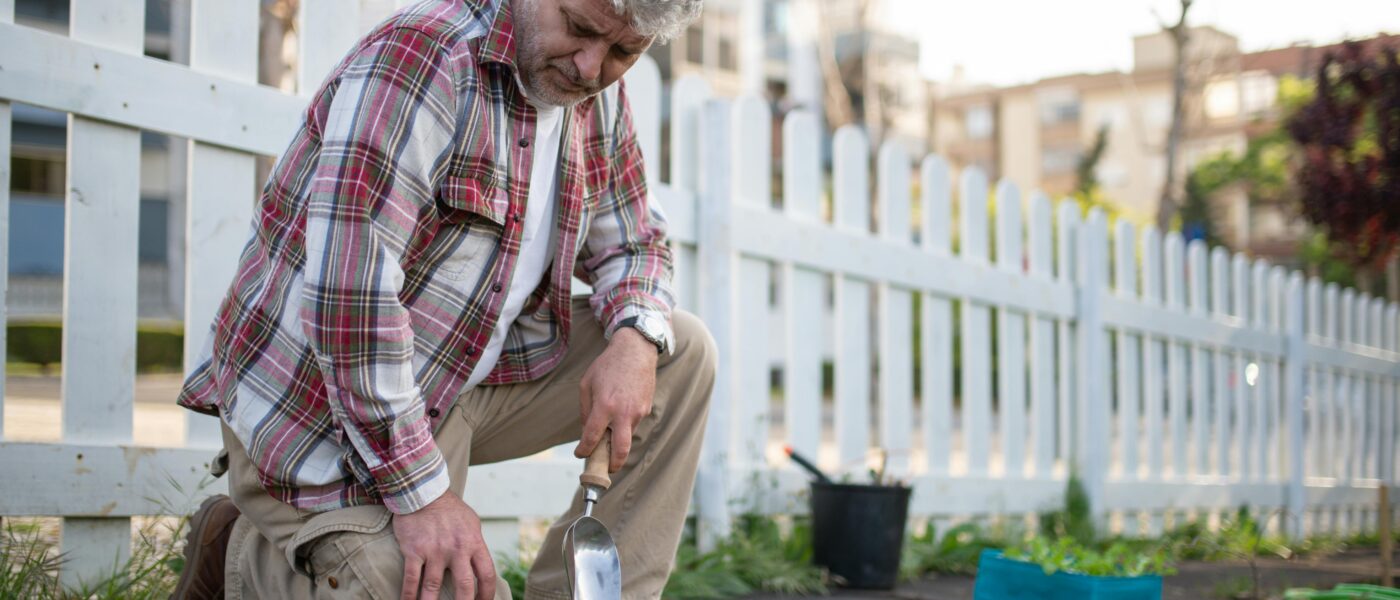
I could dig, plant, and weed for hours without a second thought. Then, arthritis crept in, and suddenly, kneeling on the ground felt like a punishment. That’s when I realized my passion needed a new partner: ergonomics. I’ve spent years testing tools so you don’t have to, and today, I’m sharing my hard-won wisdom on two essential aids: the garden kneeler and the garden stool. Both promise relief, but which truly serves a senior gardener? Let’s break it down with practical, personal insight.
Understanding the Garden Kneeler
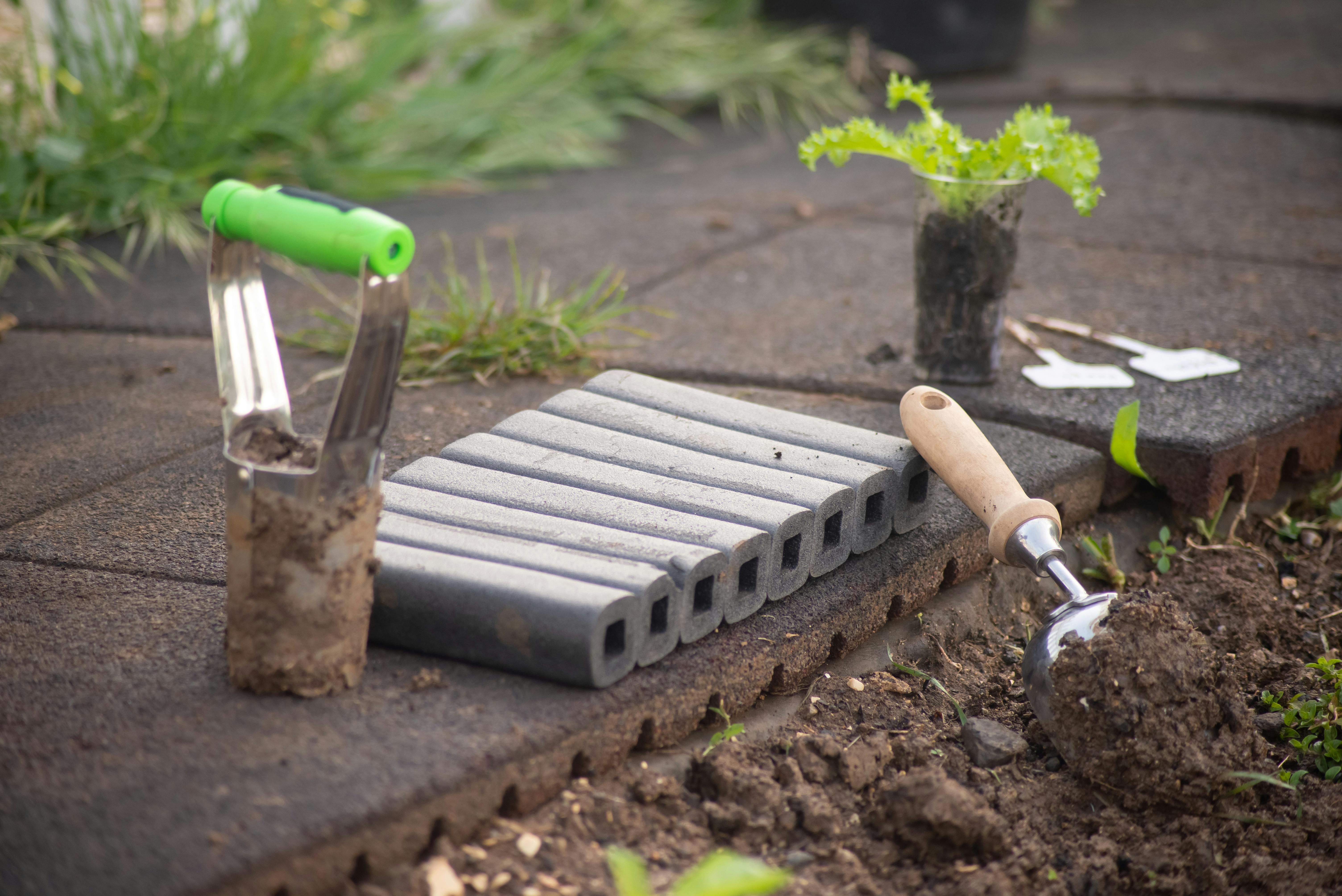
A garden kneeler is essentially a thick, padded bench that flips over to become a kneeling pad. Most models feature two sturdy handles on each side, allowing you to lower yourself down and push yourself back up. This is a game-changer for seniors with stiff hips or weak knees, as it reduces strain on the joints.
Key Benefits for Seniors
- Joint Protection: The thick foam padding cushions your knees, shins, and ankles, preventing pressure points that can lead to pain or injury.
- Assisted Mobility: The handles provide leverage, making it easier to stand after prolonged kneeling. This is critical for those with balance issues.
- Versatility: Many kneelers double as a low seat, allowing you to sit sideways while weeding or planting.
What to Look For
From my nursery days, I learned that not all foam is equal. Look for a kneeler with thin, grip-enhanced padding—too thick and it wobbles; too thin and it hurts. The best models have a non-slip base to keep you stable on damp soil. Also, consider UV-protective versions if you garden in full sun, as standard foam can degrade quickly under harsh rays.
Understanding the Garden Stool
A garden stool, also known as a rolling stool or scooter, is a low, wheeled seat that lets you move while sitting. It often has a padded top and a handlebar for steering. This is ideal for tasks like weeding long rows or pruning low shrubs, where constant standing and kneeling are inefficient.
Key Benefits for Seniors
- Mobility Without Standing: You can glide along garden beds without getting up, saving energy and reducing muscle fatigue.
- Core Support: Sitting upright engages your core, which can alleviate lower back pain that plagues many senior gardeners.
- Low Center of Gravity: The stool’s design keeps you close to the ground, reducing the risk of falls compared to a taller chair.
What to Look For
I recommend stools with wide, sturdy wheels that won’t sink into soft soil. Avoid cheap plastic models—they crack. Opt for a padded seat with a thin, grip-enhanced surface to prevent slipping. For seniors with arthritis in their hands, a stool with a rubberized handlebar is a must.
Head-to-Head Comparison: Kneeler vs Stool
Let’s pit these two against each other based on the factors that matter most to senior gardeners.
Comfort and Joint Relief
- Kneeler: Excellent for knee and ankle protection, but it requires you to kneel, which can be uncomfortable for those with hip arthritis.
- Stool: Superior for hip and back relief, as you sit upright. However, it can put pressure on the tailbone if the seat is too hard.
Ease of Use
- Kneeler: Simple to set up—just flip and go. But you must stand to move it, which can be a chore for those with limited mobility.
- Stool: Allows you to roll short distances while seated, but requires some leg strength to push off. It’s less effective on uneven terrain.
Stability and Safety
- Kneeler: Very stable when used on flat ground, thanks to its wide base. The handles provide a secure grip for standing.
- Stool: Less stable on slopes or loose gravel. Some models have a lockable wheel feature, but it’s not foolproof.
Versatility
- Kneeler: Doubles as a low seat or a portable workbench. Great for potting plants.
- Stool: Best for linear tasks like weeding rows or planting bulbs. Not ideal for heavy lifting or prolonged kneeling.
My Personal Recommendation
After decades of trial and error—and managing my own arthritis—I suggest a hybrid approach. If your garden has raised beds or containers, a kneeler is your best friend. The handles make standing a breeze, and the foam padding protects your knees. Look for a model with UV-protective foam and a thin, grip-enhanced surface to prevent sliding on wet grass.
If you have large, flat beds or spend hours weeding, a stool wins. It lets you scoot along without standing, which is a lifesaver for tired backs. Pair it with a stool with rubberized wheels and a padded, non-slip seat for maximum comfort.
For many seniors, owning both is ideal. Use the kneeler for tasks that require kneeling (like planting or trimming low shrubs) and the stool for extended weeding sessions. This way, you’re never stuck in one position too long—a key lesson I learned the hard way after a long day in the nursery.
Tips from an Old Gardener
- Test Before You Buy: Sit on the stool or kneel on the pad for at least five minutes. If it hurts immediately, it will worsen.
- Check the Weight Limit: Most kneelers support up to 300 lbs, but stools vary. Always verify for safety.
- Maintain Your Tools: Rinse off soil after use. UV-protective models last longer, but all foam degrades over time. Replace padding every 2-3 years.
- Listen to Your Body: If you feel sharp pain, stop. Gardening should be a joy, not a punishment. I learned this when my arthritis forced me to switch from traditional benches to ergonomic aids.
In the end, the best tool is the one that gets you outside, moving, and smiling. Whether you choose a kneeler or a stool, remember that every small victory—a planted seed, a weeded row—is a gift. Happy gardening!
Leave a Reply