Best Garden Gloves for Seniors: Protection Without Losing Dexterity
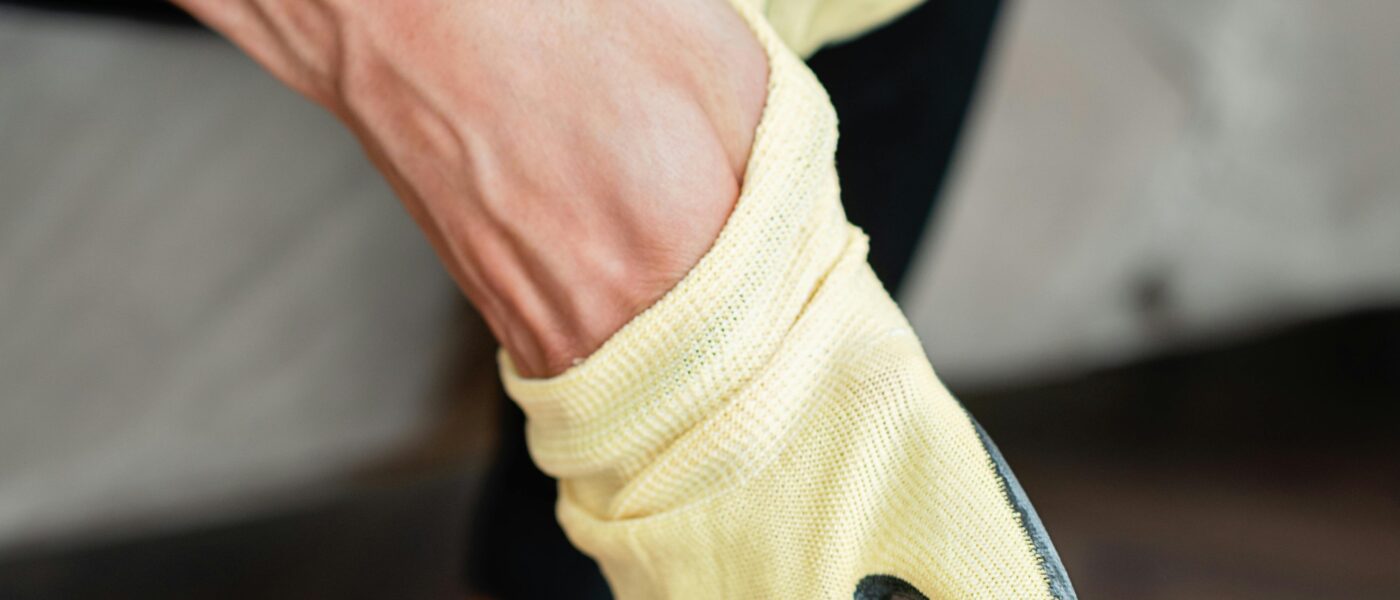
When you’re over 60, every second in the garden counts. You don’t want to struggle with fumbling fingers or bulky gloves that make simple tasks like planting seeds or deadheading flowers a chore. I’ve seen too many seniors give up gardening because their gloves were too stiff or too loose. The key is balance: you need gloves that shield your hands from cuts, blisters, and sun damage, yet allow your fingers to move naturally. This is where copper and compression gloves have become a game-changer for many of my clients.
The Rise of Copper and Compression Gloves
Copper-infused gloves have surged in popularity, and for good reason. They claim to improve circulation and reduce joint stiffness—something I’ve personally tested during my own battles with arthritis. While the science is still debated, many seniors report less morning pain and better grip after wearing them. Compression gloves, on the other hand, provide gentle pressure that can ease swelling and support tired muscles. Together, they offer a dual benefit: protection from the elements and ergonomic support for aging hands.
What to Look for in Copper/Compression Gloves
Not all gloves are created equal. Here’s what I recommend based on my experience:
- Material: Look for breathable fabrics like nylon or spandex blends with copper fibers woven in. Avoid thick leather or rubber, which can restrict movement.
- Fit: Snug but not tight. You should be able to bend your fingers fully without the glove bunching at the palm. Measure your hand circumference at the widest part.
- Grip: Silicone dots or rubberized patches on the palm and fingers are essential for holding tools, especially when hands are sweaty or damp.
- Length: Cuff length matters. A short cuff is fine for light weeding, but a longer cuff (4-6 inches) protects wrists from thorns and sun.
- Washability: Gloves get dirty fast. Choose machine-washable options to maintain hygiene and copper effectiveness.
Top Features for Senior-Specific Gloves
After testing dozens of pairs with my arthritis support group, here are the features that truly make a difference:
- Compression zones: Some gloves have reinforced compression around the knuckles and wrists to stabilize joints during repetitive motions like pruning.
- Touchscreen compatibility: You don’t want to remove gloves to check your phone for gardening tips or weather updates.
- UV protection: UPF 50+ fabric shields aging skin from sun damage, which is crucial for seniors spending hours outdoors.
- Anti-microbial lining: Prevents odors and bacterial growth, especially if you have sensitive skin or allergies.
How to Choose the Right Glove for Your Needs
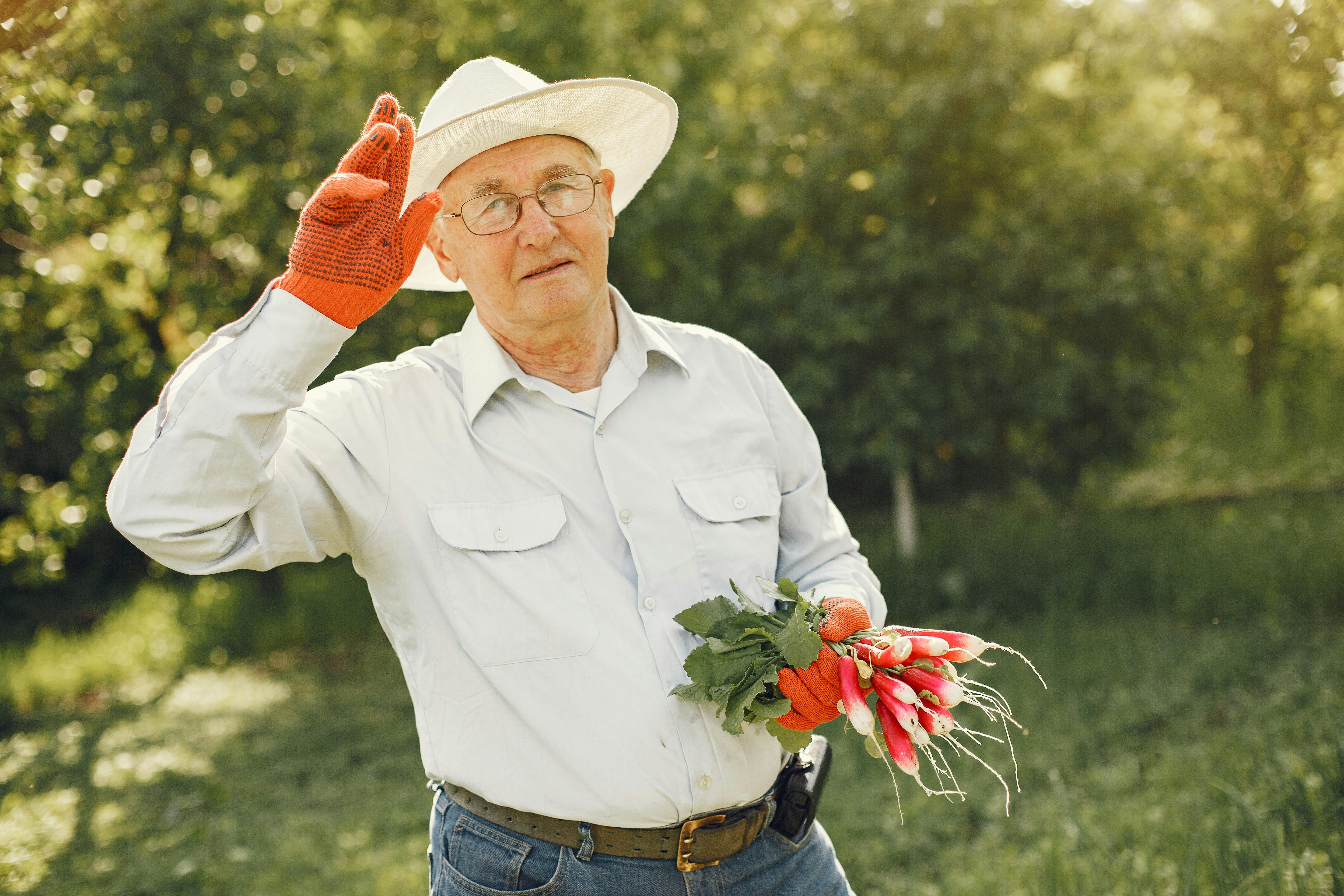
For Arthritis and Joint Pain
If you wake up with stiff fingers, start with a copper compression glove that has open fingertips. This allows you to feel what you’re doing while still getting support. I recommend brands like Copper Fit or Dr. Arthritis, which offer medical-grade compression without bulk. Pair them with a lightweight cotton glove over top for extra warmth on cool mornings.
For General Gardening Tasks
For planting, weeding, and light pruning, a mid-weight glove with a mix of copper and spandex works best. Look for a palm coated with silicone dots for grip. I’ve had great success with Womanswork gloves, which are designed specifically for women but fit men well too due to their ergonomic shape.
For Heavy-Duty Work
When dealing with thorny roses or thick branches, you need puncture resistance. Choose gloves with reinforced fingertips and a leather or synthetic palm. Copper-infused versions like G & F Products combine durability with compression. Just be aware that heavy gloves may reduce dexterity, so use them for short bursts.
My Personal Testing Process
I don’t just recommend gloves—I test them myself. I’ve spent hours in my raised beds, pulling weeds and deadheading marigolds with arthritis flaring. Here’s what I’ve learned: no single glove works for everyone. But if you prioritize fit over fancy features, you’ll rarely go wrong. I always tell my clients to try gloves on in the afternoon when hands are slightly swollen from daily activity. And don’t be afraid to return them if they don’t feel right—your comfort is non-negotiable.
Common Mistakes Seniors Make When Buying Gloves
- Buying too large: Loose gloves cause blisters and reduce grip. Always measure your hand.
- Ignoring wrist support: Many seniors overlook cuffs, but a snug wrist band prevents soil from entering and stabilizes the joint.
- Choosing style over function: Pretty patterns won’t protect your hands. Focus on material and construction.
- Skipping the break-in period: New gloves often feel stiff. Wear them for 30 minutes indoors before gardening to mold them to your hands.
Where to Find the Best Options
I recommend starting with specialty garden retailers or online stores that offer detailed sizing charts. Avoid cheap drugstore gloves—they rarely last a season. Look for brands that offer a satisfaction guarantee, like Bionic or Garden Genie, which have ergonomic designs tested by occupational therapists. For copper/compression gloves, check medical supply stores or Amazon with verified reviews from seniors.
Final Tips for Long-Lasting Gloves
To extend the life of your gloves, rinse them after each use with cool water and mild soap. Avoid harsh detergents that can break down copper fibers. Air dry them away from direct sunlight. And if you notice fraying or thinning, replace them immediately—worn gloves offer no protection. Remember, the best gloves are the ones you actually wear. Don’t let discomfort keep you from the garden. With the right pair, you can dig, prune, and plant for years to come.
Gardening is a lifelong passion, and your hands are your most valuable tools. Invest in gloves that honor that. I’ve seen seniors rediscover their love for the soil with the right pair, and I hope you do too.
Leave a Reply