Raised Bed Gardening For Seniors: Everything You need to know
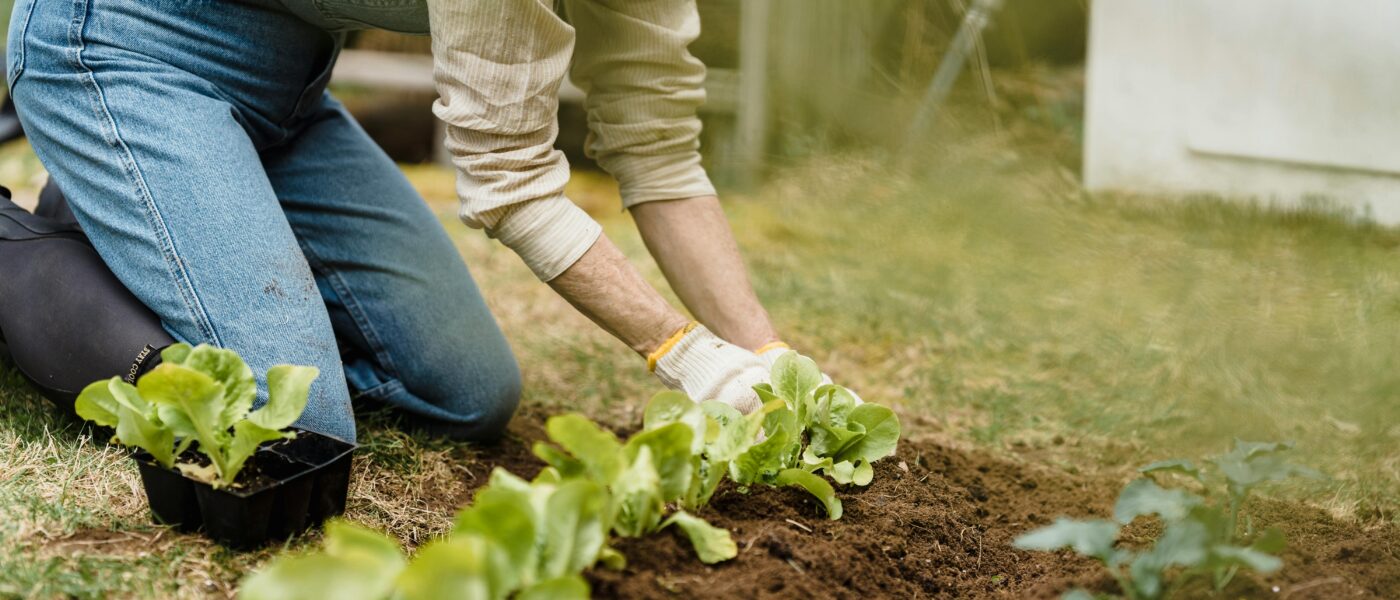
I can tell you firsthand that gardening doesn’t have to end when your knees start complaining. After my own arthritis diagnosis in my early 50s, I had to rethink everything I knew about growing vegetables and flowers. That’s when I discovered raised bed gardening—not just as a trend, but as a genuine solution for staying active, productive, and pain-free in the garden.
This guide is written for seniors who want to start gardening for seniors to adapt their existing setup. I’ll walk you through everything from choosing the right bed height to selecting ergonomic tools that save your joints. Let’s dig in.
Why Raised Bed Gardening Is Perfect for Seniors
Raised beds offer three critical advantages for aging gardeners: height, accessibility, and soil control. When I first built my own raised beds after my hip replacement, I could finally weed and harvest without bending over. The comfort difference is night and day.
- Reduced bending and kneeling: Standard ground-level beds require constant stooping. A raised bed brings the soil up to waist or hip height, saving your lower back and knees.
- Better drainage and soil quality: You control exactly what goes into your bed—no more heavy clay or rocky soil. This means healthier plants with less effort.
- Easier weed and pest management: Weeds are easier to spot and pull when they’re at eye level. Plus, you can install barriers like hardware cloth underneath to keep out burrowing animals.
- Extended growing season: The soil in raised beds warms up faster in spring and drains quicker after rain, giving you more time to enjoy your garden.
Choosing the Right Raised Bed Height
Height is the single most important factor for a senior-friendly raised bed. I always tell my clients: measure from the ground to your hip bone while standing comfortably. That’s your ideal working height. Most seniors find 24 to 30 inches perfect for seated or standing use.
- Low beds (6–12 inches): Better than ground-level but still require some bending. Good for gardeners who can kneel or use a low stool.
- Mid-height beds (15–24 inches): Ideal for most seniors. You can sit on the edge or use a garden stool while planting and weeding.
- High beds (30–36 inches): Perfect for wheelchair users or those with severe back issues. These require more soil and initial investment but eliminate all bending.
Consider a raised bed with built-in seating or a ledge wide enough to sit on. I personally use a 28-inch cedar bed with a 6-inch wide rim—it’s sturdy enough to hold my weight, and I can lean forward to work without straining.
Best Materials gardening for Seniors Friendly Raised Beds
Material choice affects durability, weight, and safety. After years of experience, here’s what I recommend for seniors:
- Cedar or redwood: Naturally rot-resistant, lightweight, and pleasant to touch. These are my top pick. They last 10–15 years without chemical treatments.
- Galvanized steel: Very durable and rust-resistant. Modern designs are attractive and easy to assemble. However, they can get hot in direct sun—line the inside with fabric if you’re growing heat-sensitive crops.
- Composite lumber: Made from recycled plastic and wood fibers. Heavy but never rots. Good if you want a permanent installation.
- Concrete blocks or bricks: Extremely durable but heavy to move and difficult to adjust later. I only recommend these if you’re sure about your layout.
Avoid pressure-treated lumber made before 2004, as it contained arsenic. Modern pressure-treated wood is safer, but I still prefer cedar for peace of mind.
Ergonomic Tools Every Senior Gardener Needs
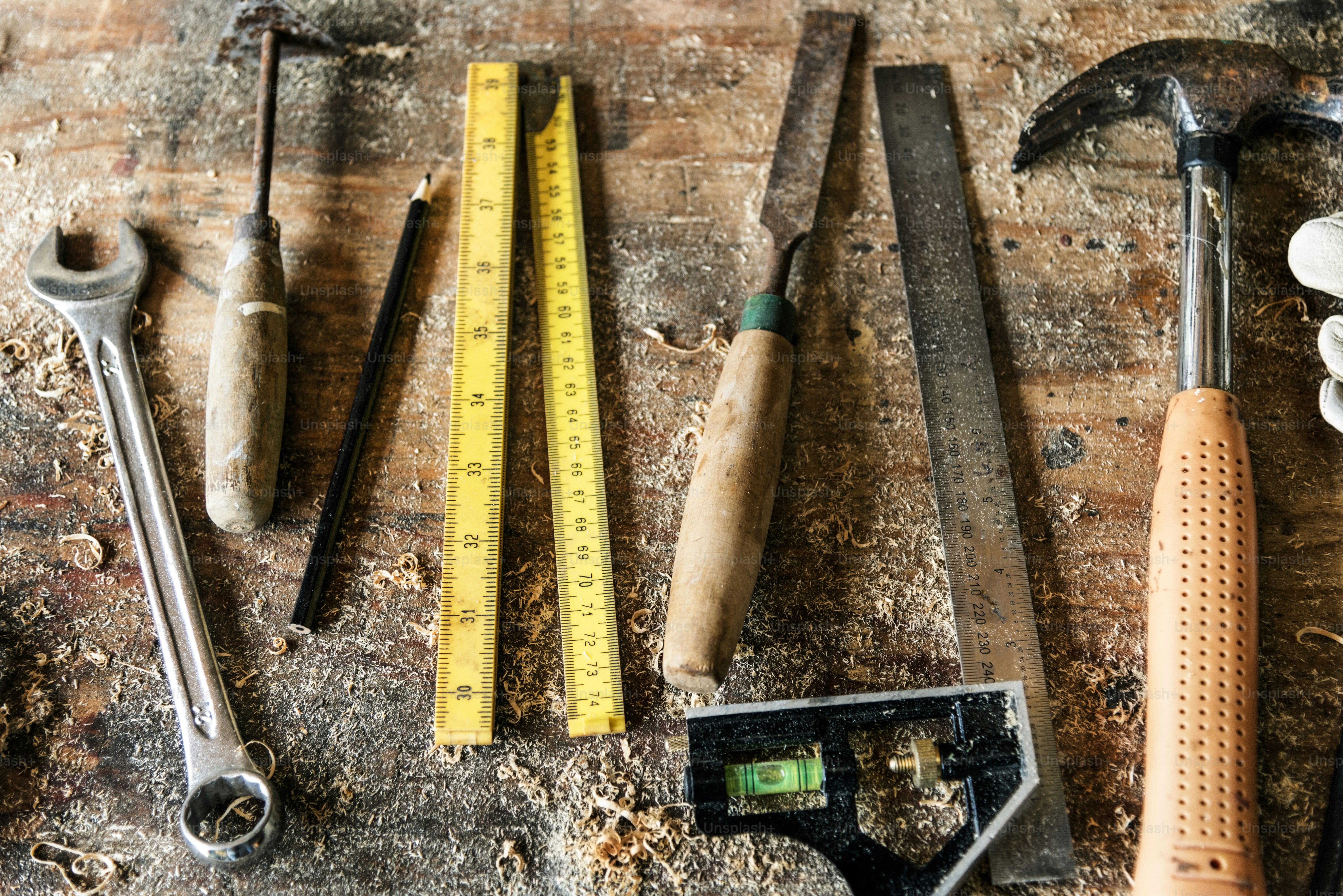
Good tools are worth every penny when your hands ache. I learned this the hard way after a season of using cheap trowels that made my arthritis flare. Here are my non-negotiable recommendations:
- Long-handled cultivator and weeder: These let you work while standing upright. Look for handles with foam grips that reduce vibration.
- Ergonomic trowel with a cushioned handle: A must-have for planting seedlings and bulbs. The handle should fit your hand comfortably without forcing your fingers to grip tightly.
- Kneeling pad or garden stool: Even with raised beds, you’ll sometimes need to get low. A padded stool with a handle makes standing up easier.
- Lightweight watering wand: A curved wand with a trigger handle lets you water without bending or lifting heavy cans. Pair it with a soaker hose for efficiency.
- Garden cart or wheelbarrow with wide wheels: Carrying bags of soil is risky. A cart that rolls smoothly over grass saves your back and shoulders.
I always test tools in the store by holding them for 30 seconds. If my hand starts to cramp, I move on. Your tools should feel like an extension of your body, not a source of pain.
Easy Vegetables and Herbs for Raised Beds
Start with crops that are forgiving and productive. I recommend these for beginners because they grow quickly and don’t require heavy maintenance:
- Lettuce and leafy greens: Perfect for raised beds. Harvest leaves as needed, and they’ll keep producing for weeks.
- Tomatoes (determinate varieties): Compact and bushy, they don’t need tall stakes. Cherry tomatoes are especially rewarding.
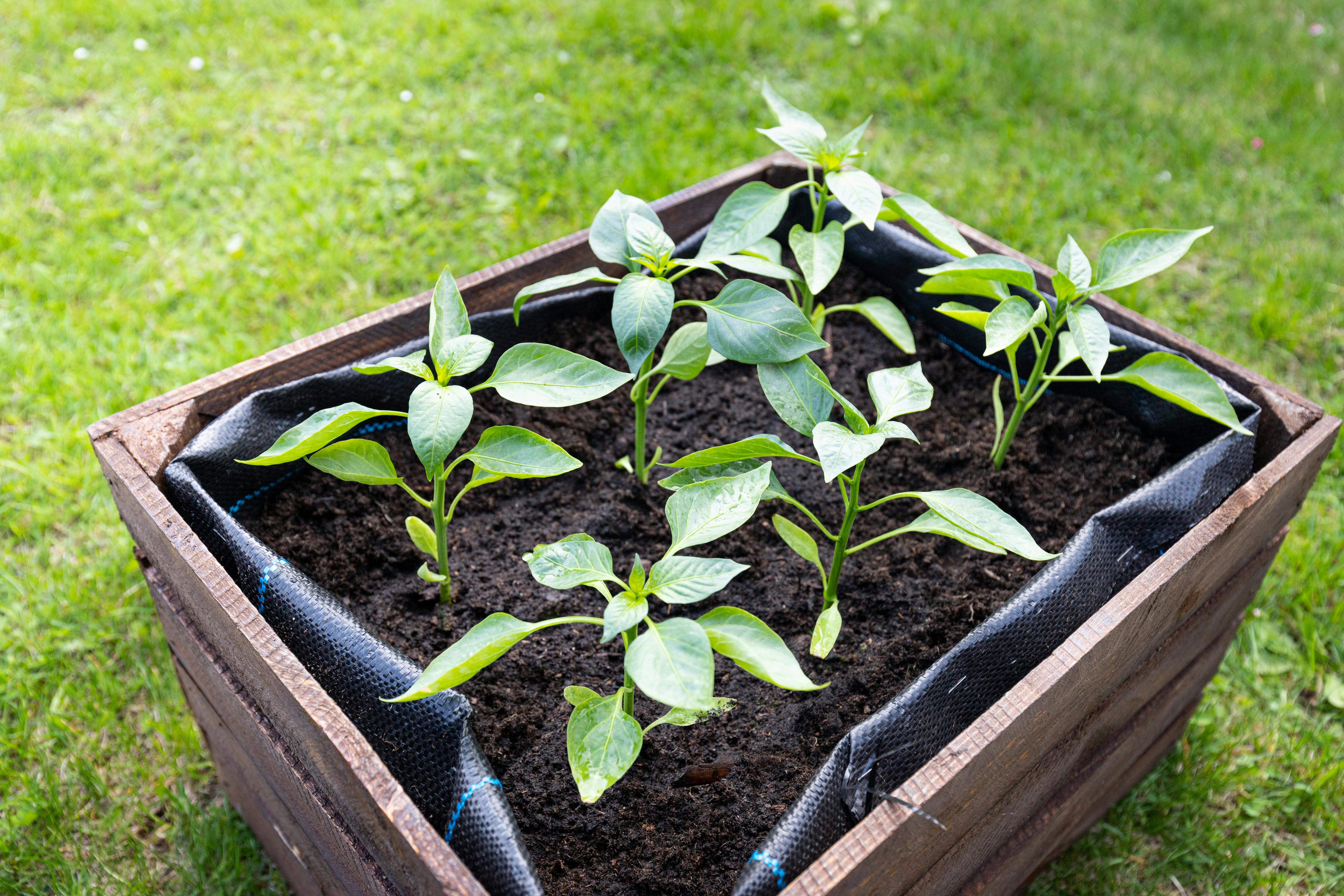
- Peppers: Thrive in warm soil and produce colorful fruits all summer.
- Herbs (basil, thyme, oregano, chives): Low-maintenance, drought-tolerant, and wonderful for cooking.
- Bush beans: No trellis needed. They grow in neat mounds and are easy to pick.
- Radishes: Ready in 25 days—instant gratification for new gardeners.
Plant in blocks rather than rows. This gives you more yield per square foot and makes harvesting easier. I use a four-square-foot grid system for my own beds.
How to Set Up Your Raised Bed for Success
Here’s a step-by-step plan based on what I’ve learned over decades:
- Choose a level, sunny spot: Most vegetables need 6–8 hours of direct sunlight daily. Avoid areas near large trees or buildings that cast long shadows.
- Prepare the ground: Remove grass or weeds. If you have gophers or voles, lay hardware cloth (1/4-inch mesh) under the bed before filling.
- Fill with quality soil: Use a mix of 60% topsoil, 30% compost, and 10% coarse sand or perlite. Avoid cheap bagged soil—it often contains weed seeds.
- Add a drip irrigation system: This is a game-changer for seniors. Set it on a timer, and you’ll never have to drag a hose again. I use a simple drip line with emitters every 12 inches.
- Mulch the surface: A 2-inch layer of straw, shredded leaves, or wood chips keeps moisture in and weeds out. It also softens the surface if you need to kneel.
- Label your plants: Use large, waterproof markers. I write the plant name and date planted directly on wooden stakes with a permanent marker.
Maintenance Tips for Seniors
Gardening should be a pleasure, not a chore. Here’s how to keep your raised beds thriving with minimal strain:
- Water deeply but less often: Deep watering encourages roots to grow downward, making plants more drought-tolerant. A soaker hose on a timer does this automatically.
- Weed weekly: Spend 10 minutes each morning pulling weeds while they’re small. It’s much easier than tackling a jungle later.
- Fertilize with compost tea or slow-release granules: Liquid fertilizers are easy to apply with a watering can. I use an organic fish emulsion once a month.
- Harvest regularly: Picking vegetables encourages more production. Use a lightweight basket or apron to hold your harvest.
- Take breaks: I set a timer for 20 minutes of work, then rest for 10. This prevents fatigue and keeps me coming back day after day.
Common Mistakes to Avoid
Even experienced gardeners make these errors. Learn from my missteps:
- Building the bed too wide: You should be able to reach the center from either side without stretching. Six feet is the maximum width for easy access.
- Using poor-quality soil: Cheap fill dirt will compact and drown your plants. Invest in good soil from the start—it’s cheaper than replacing plants.
- Overplanting: It’s tempting to pack in as many plants as possible, but overcrowding leads to disease and small yields. Follow spacing guidelines on seed packets.
- Ignoring drainage: If your bed sits on concrete or compacted clay, water can pool. Elevate the bed slightly or add gravel underneath.
- Forgetting to protect your skin: Wear a wide-brimmed hat, long sleeves, and sunscreen. I learned this after a painful sunburn that kept me indoors for a week.
Final Thoughts from an Old Gardener
Raised bed gardening gave me back the joy of growing my own food, even with arthritis in both hands and a replaced hip. It’s not about doing less—it’s about working smarter. Start small, choose the right height, and invest in tools that support your body. Your garden will reward you with fresh vegetables, gentle exercise, and the deep satisfaction of nurturing life from seed to harvest.
If you’re just starting, I recommend a single 4×4-foot cedar bed, a good trowel, and a packet of lettuce seeds. That’s all you need to begin. The rest will come naturally, one season at a time.
Happy growing, friends.
Leave a Reply