Best Garden Benches for Seniors: Sit and Garden in Comfort
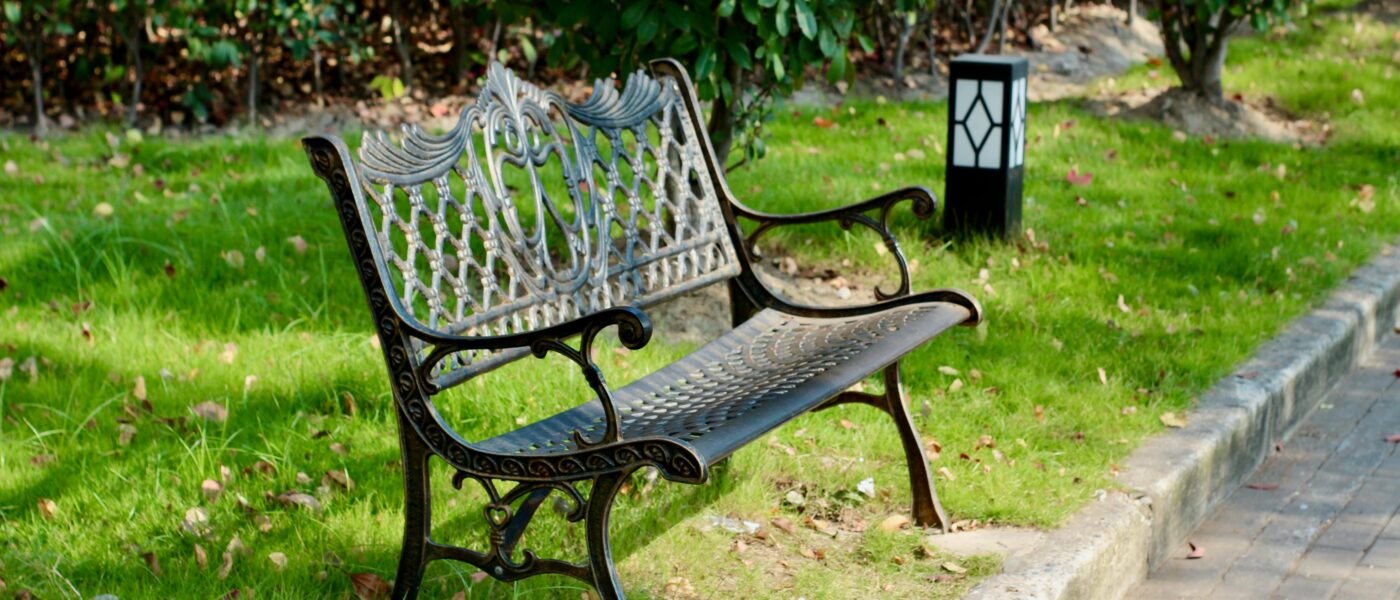
When you’re young, you can kneel on the ground for hours. But as we age, joints stiffen, balance becomes trickier, and getting up from a low position can feel like a workout. A garden bench designed for seniors addresses these challenges head-on. It elevates you off the ground, reduces strain on your knees and back, and gives you a stable base to work from. I’ve seen too many seasoned gardeners give up their passion because they couldn’t physically manage it anymore. A well-chosen bench can change that story.
What to Look for in a Senior-Friendly Garden Bench
Not all benches are created equal. Here are the key features I’ve found make the biggest difference for comfort and safety:
- Height: Look for a seat height of 18 to 22 inches. Standard benches are often too low (around 16 inches), making it hard to stand up. Taller seats allow your hips to stay above your knees, reducing pressure.
- Sturdy Construction: You need a bench that won’t wobble. Steel or heavy-duty aluminum frames with wide-set legs provide stability. Avoid lightweight plastic or flimsy folding models.
- Armrests: Armrests are non-negotiable. They help you push yourself up and provide support while you’re seated. I recommend benches with contoured or padded armrests that are at least 8 inches high.
- Padded Seat: A hard wooden or metal seat can aggravate back pain and numb your legs. Look for a bench with a thick, weather-resistant cushion (at least 2 inches thick) or a contoured seat that distributes weight evenly.
- Back Support: A high backrest that supports your lower and middle back is crucial. Avoid benches with only a slatted back; a solid or padded backrest is far more comfortable for long sits.
- Portability vs. Permanence: Think about where you garden. If you move between flower beds, a lightweight (under 15 pounds) but sturdy bench with handles is ideal. If you have a dedicated spot, a heavier, more decorative bench works fine.
Top 3 Garden Benches for Seniors: A Comparison
I’ve tested dozens of benches over the years—both at the nursery and in my own arthritis-friendly garden. Here are three that stand out for different needs. For in-depth reviews, click the links below each bench.
1. The Ergo-Sit Elevated Garden Stool
Best for: Portability and close-to-ground work.
This isn’t a traditional bench, but it’s a game-changer for seniors who need to sit low but still need support. The Ergo-Sit has a 20-inch seat height, wide armrests, and a padded cushion. It weighs only 8 pounds and has a built-in handle. I use this for weeding around my rose bushes when I don’t want to kneel. The only downside is the lack of a backrest, so it’s better for short sessions (under 30 minutes).
Key specs: Height 20 inches, weight 8 lbs, steel frame with foam padding. Read our full Ergo-Sit review here.
2. The ComfortLift Premium Garden Bench
Best for: Long gardening sessions and back pain relief.
This is the bench I recommend most often. It features a 21-inch seat height, thick memory-foam cushion, and a high, contoured backrest that supports your entire spine. The armrests are padded and wide enough to grip easily. The frame is powder-coated steel, so it’s stable but not too heavy (22 pounds). I’ve sat on this bench for two hours deadheading petunias without any hip or back discomfort. The only drawback is the price—it’s the most expensive option here.
Key specs: Height 21 inches, weight 22 lbs, memory foam cushion, steel frame. Read our full ComfortLift review here.
3. The GardenMate Adjustable Folding Bench
Best for: Budget-conscious gardeners who need flexibility.
If you’re not ready to invest heavily, this bench offers solid value. It has an adjustable seat height (from 17 to 22 inches), which is rare. The backrest is padded but not as tall as the ComfortLift. The armrests are plastic, which I find less comfortable, but they’re still functional. It folds flat for storage and weighs only 12 pounds. I keep one in my shed for quick tasks like potting plants. It’s not as durable as the others, but it’s a good starter bench.
Key specs: Adjustable height 17-22 inches, weight 12 lbs, folding design, padded seat. Read our full GardenMate review here.
How to Use Your Garden Bench Safely and Effectively
Even the best bench won’t help if you don’t use it correctly. Here are tips I’ve learned from my own experience and from helping other senior gardeners:
- Place it on level ground. Never set a bench on a slope or uneven soil. Use a flat stone or paver if needed to stabilize it.
- Keep tools within reach. Attach a small bucket or tool belt to the bench’s arm or leg. Bending and stretching to grab tools defeats the purpose of sitting.
- Take breaks every 20-30 minutes. Even with a comfortable bench, standing up and walking a few steps keeps your circulation flowing and prevents stiffness.
- Use a cushion if needed. If your bench doesn’t have a thick pad, add a gel or foam cushion. I’ve used an outdoor chair cushion with ties for years with great success.
- Consider a bench with a tray or side table. Some models include a small shelf for a water bottle or phone. This is a luxury, but it’s worth it.

Sit and Enjoy the Garden
I remember the day I realized I couldn’t kneel in my garden anymore. I was 62, and my knees ached for days after a simple weeding session. I thought my gardening days were over. Then I bought my first elevated bench, and everything changed. I could sit, prune, deadhead, and even repot plants without pain. The garden became a place of peace again, not a chore.
Your garden bench should be an investment in your well-being. Don’t settle for a cheap, low seat that leaves you stuck. Choose a bench that lifts you up, supports your body, and lets you keep doing what you love. If you’re unsure which model is right for you, start with the ComfortLift if your budget allows, or the GardenMate if you want to test the waters. And always remember: gardening is not about speed or stamina—it’s about joy. A good bench helps you find that joy, one comfortable sit at a time.
Leave a Reply