The Complete Guide to Ergonomic Gardening Tools for Seniors
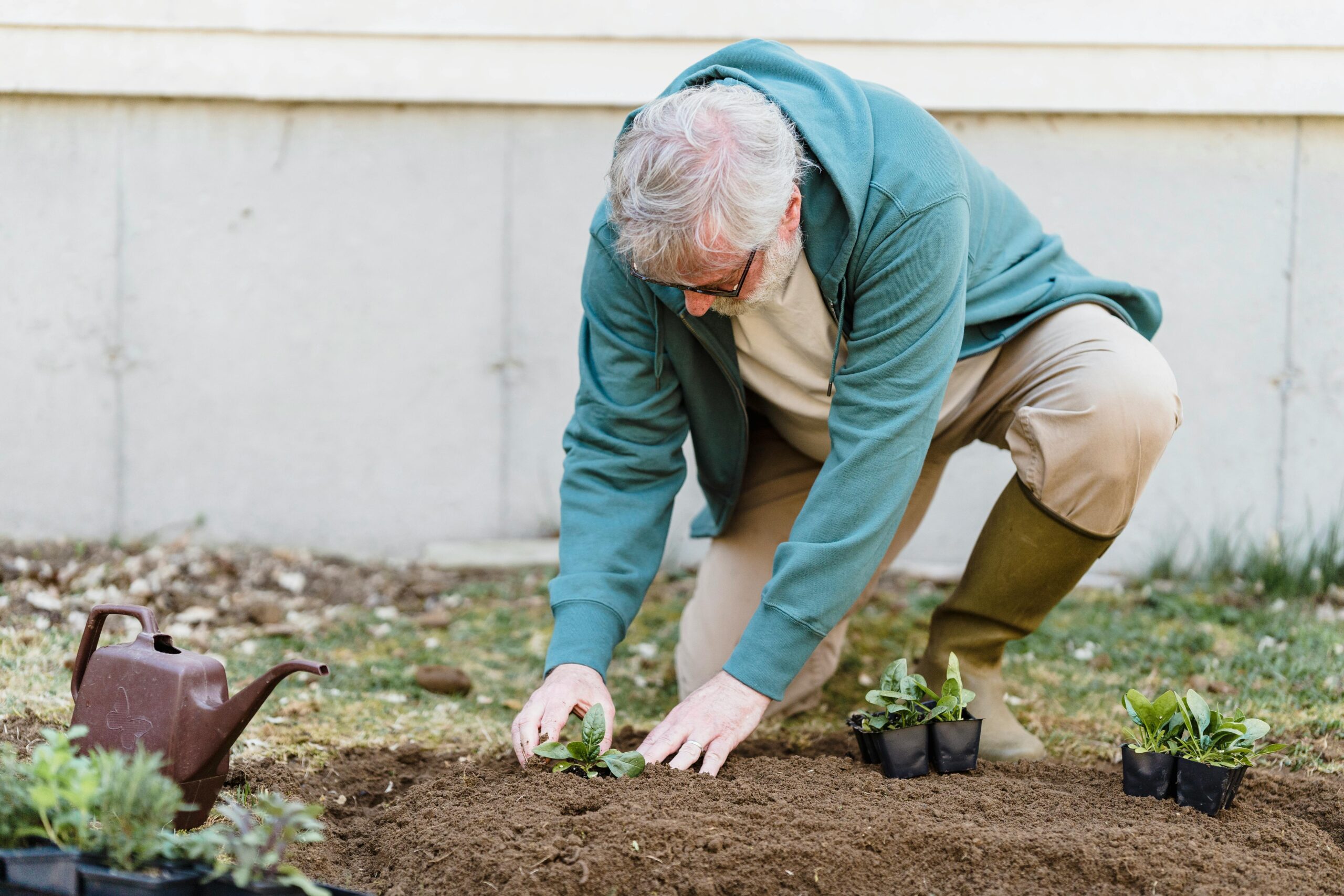
After spending fifteen years running a bustling nursery from 1980 to 1995, I thought I knew everything there was to know about gardening. I could lift a fifty-pound bag of soil without thinking, kneel for hours weeding rows of perennials, and swing a heavy steel shovel all afternoon. Then, arthritis arrived—first as a quiet ache in my knuckles, then a stiff protest in my hips and knees. I had to adapt, not just to keep gardening, but to keep loving it. That personal journey taught me more about ergonomic gardening than any textbook ever could. This guide is built from that hard-won wisdom, focusing on the tools and setup strategies that will keep you gardening joyfully for years to come.
Why Ergonomic Gardening tools More Than Ever in 2025
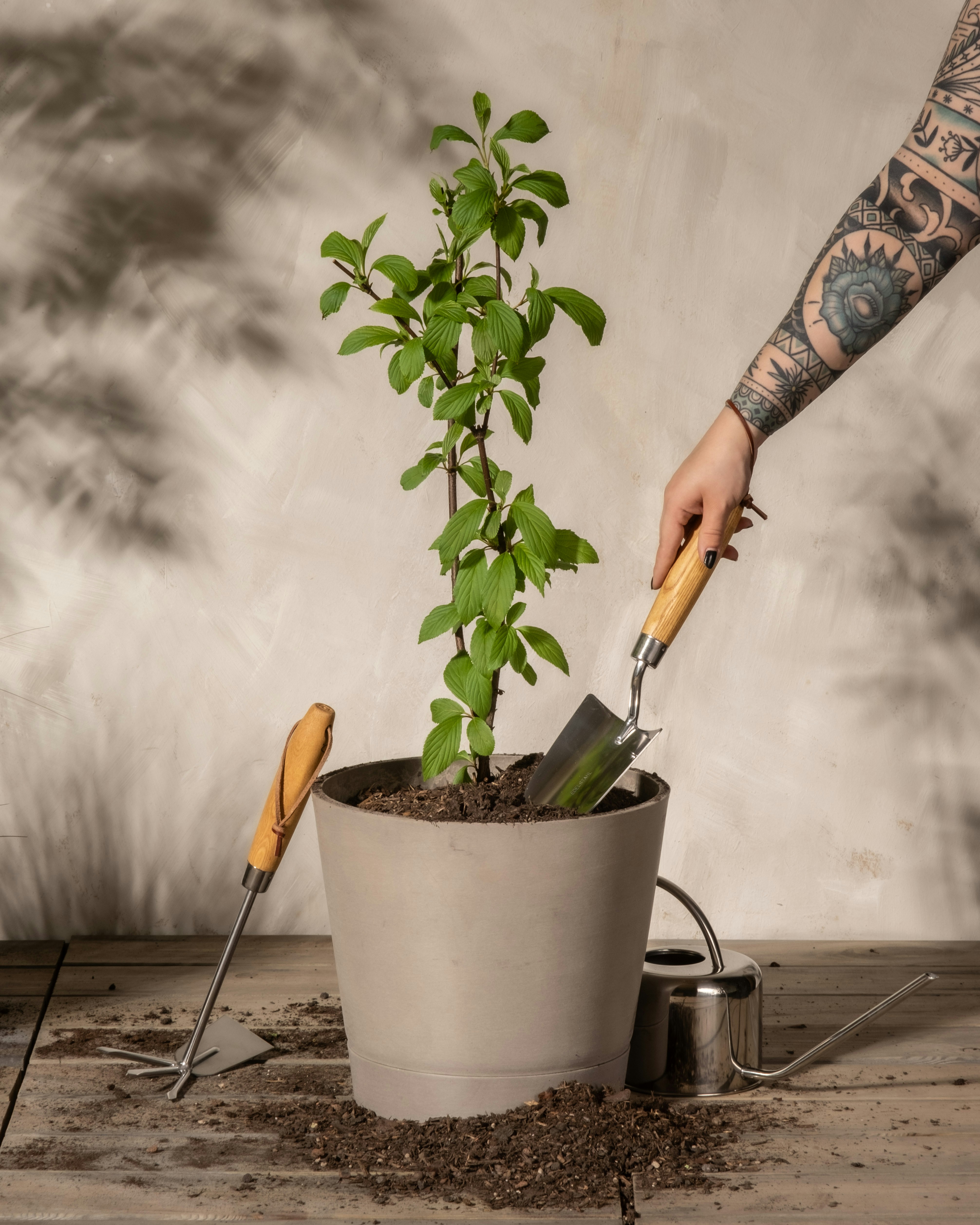
The gardening industry has finally caught up with what we seniors have known for decades: traditional tools are often designed for young, strong bodies. In 2025, we have an incredible array of ergonomic options that reduce strain on joints, minimize bending, and keep the center of gravity stable. This isn’t about giving up gardening—it’s about gardening smarter. Proper ergonomics can prevent injuries, conserve energy, and allow you to spend more time enjoying your garden rather than recovering from it.
The Core Principles of Ergonomic Gardening
- Neutral Posture: Keep your wrists straight, back aligned, and knees bent at comfortable angles. Tools should bring the work to you, not force you to reach or strain.
- Leverage Over Strength: Use long handles, ratcheting mechanisms, and lightweight materials to multiply your effort without taxing your muscles.
- Reduce Repetitive Motion: Choose tools that minimize twisting, gripping, and bending. Your joints will thank you after an hour of weeding.
- Stability First: Always maintain three points of contact with the ground when moving. Use kneeling pads, stools, or walkers with built-in seats.
Essential Ergonomic Tools Every Senior Gardener Needs
Based on my own trials and errors, here are the tools that have made the biggest difference in my garden. These aren’t gimmicks—they’re proven designs that reduce joint stress and improve comfort.
1. Long-Handled Trowels and Cultivators
The standard short-handled trowel is a recipe for back pain. Instead, invest in a long-handled trowel (30-36 inches) that lets you work while standing or sitting upright. Look for models with a cushioned, non-slip grip and a curved handle that fits your palm naturally. I use one with a stainless steel blade that won’t rust, and the extra length means I can plant bulbs, dig small holes, and loosen soil without ever bending over.
2. Ratcheting Pruners and Loppers
Arthritis in my hands made standard pruners impossible to squeeze. Ratcheting pruners are a game-changer—they cut through branches in stages, requiring only a gentle squeeze each time. For thicker branches, ratcheting loppers with extendable handles provide incredible leverage. Always choose bypass-style blades for clean cuts that heal faster.
3. Kneeling Pads and Garden Stools
Never kneel directly on the ground. A thick, foam kneeling pad with a built-in handle makes getting up and down much safer. Even better, a garden stool with a padded seat and fold-out handles allows you to sit comfortably while weeding or planting. I keep one near my raised beds and another in the shed for quick tasks.
4. Lightweight Watering Wands and Hoses
Heavy watering cans and stiff hoses are a major source of shoulder and back strain. Switch to a lightweight, kink-free hose (50 feet or less) with a shut-off nozzle that’s easy to squeeze. A watering wand with a curved, ergonomic handle and a trigger lock lets you water hanging baskets and deep beds without lifting your arm above shoulder height. Look for wands with a soft, rubberized grip.
5. Ergonomic Garden Shears and Snips
For deadheading and light trimming, use shears with a spring-loaded action that opens automatically. This reduces the grip strength needed. Some models have rotating handles that keep your wrist in a neutral position. I’ve found that shears with a bright color (like orange or yellow) are easier to spot when I set them down in the garden.
Designing Your Garden for Ergonomic Success
Tools are only half the battle. Your garden layout should be designed to minimize strain from the ground up. This is where my nursery experience really pays off—I’ve seen countless gardens that look beautiful but are physically punishing to maintain.
Raised Beds: The Gold Standard
Raised beds are essential for seniors. They bring the soil up to a comfortable working height, eliminating the need to bend or kneel. Aim for beds that are 24-30 inches tall, with a width of no more than 4 feet so you can reach the center from either side. Use untreated cedar or composite materials that won’t rot. Line the bottom with cardboard or landscape fabric to suppress weeds. I built mine with a built-in lip that I can sit on while tending to the plants.
Pathways That Protect Your Joints
Narrow, uneven paths are a fall hazard. Widen your garden paths to at least 3-4 feet to accommodate a walker or wheelchair if needed. Use stable, slip-resistant materials like crushed stone, brick, or rubber pavers. Avoid loose gravel that shifts underfoot. Add gentle curves instead of sharp corners to make navigation easier and more pleasant.
Vertical Gardening for Easy Access
Grow climbing plants like beans, cucumbers, or tomatoes on trellises, cages, or wall-mounted systems. This keeps the harvest at eye level and reduces the need to stoop. Use lightweight, rust-resistant trellises that are easy to install and adjust. I have a simple A-frame trellis that I can move around the garden as needed.
Practical Tips for Pain-Free Gardening
Beyond tools and layout, your daily habits make a huge difference. Here are strategies I’ve refined over decades of managing arthritis while gardening.
Warm Up and Cool Down
Treat gardening like any physical activity. Spend 5-10 minutes stretching your wrists, shoulders, back, and legs before you start. Gentle walking and arm circles work well. After gardening, do a few more stretches to prevent stiffness. I keep a yoga mat near the garden shed for this purpose.
Use Proper Body Mechanics
When lifting anything, bend at your knees, not your waist. Keep the load close to your body. Use a garden cart or wheelbarrow to move heavy bags of soil or mulch. Never twist while carrying—pivot your whole body instead. I learned this the hard way after a nasty back spasm in my forties.
Take Frequent Breaks
Set a timer for 20-30 minutes of active gardening, then take a 5-minute break to sit, hydrate, and shake out your hands and legs. This prevents overuse injuries and keeps your energy steady. I always keep a water bottle and a small snack nearby.
Listen to Your Body
If a movement hurts, stop. Pain is a signal, not a challenge. Modify the task or switch to a different activity. Some days I can only manage 15 minutes of weeding, and that’s perfectly fine. The garden will wait.
Where to Find the Best Ergonomic Tools in 2025
The market has expanded dramatically. Look for reputable brands that specialize in adaptive gardening equipment, such as Fiskars, Radius Garden, and Gardenite. Many offer ergonomic handles with foam grips, adjustable lengths, and lightweight materials like aluminum or fiberglass. Read reviews from other seniors, and don’t hesitate to visit a local garden center to test the feel of a tool before buying. Online retailers like Gardener’s Supply Company also have excellent customer service and detailed product descriptions.
Budget-Friendly Options
You don’t need to spend a fortune. Many ergonomic features are now available at big-box stores. Look for tools with padded grips, long handles, and lightweight construction. Thrift stores and online marketplaces often have quality used tools that can be cleaned and sharpened. I’ve found some of my best pruners at garage sales.
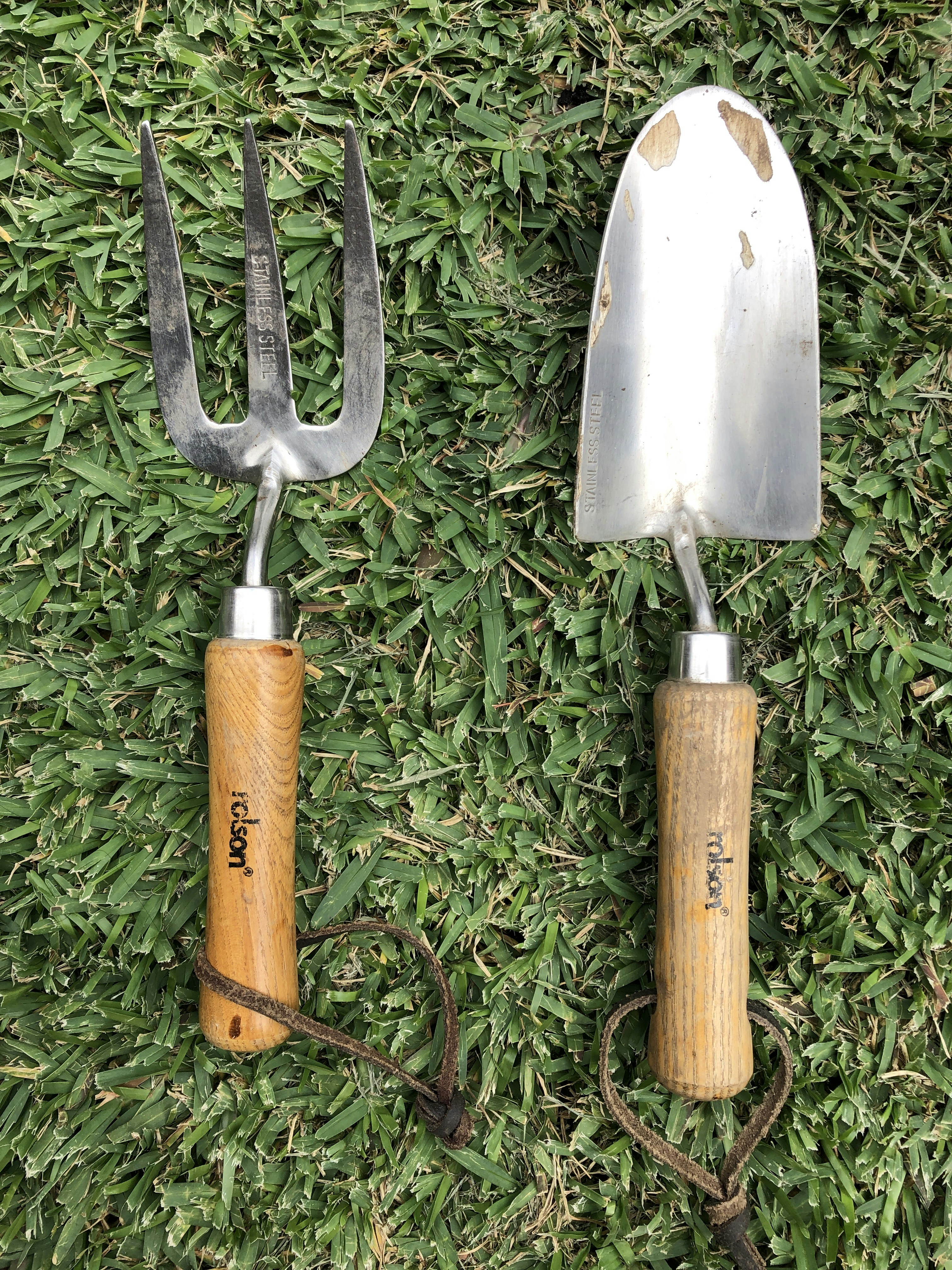
Gardening should never be a source of pain. With the right ergonomic tools and a thoughtfully designed garden layout, you can continue to nurture your plants, enjoy the outdoors, and reap the physical and mental benefits of gardening well into your golden years. I’ve been doing it for decades, and I still get the same thrill from seeing a seed sprout or a flower bloom. The key is to adapt, not to quit. Your garden will thank you, and so will your body.
Remember, every small step you take toward ergonomic gardening is a victory. Start with one tool, adjust one raised bed, or widen one path. Over time, these changes compound into a garden that works for you, not against you. Happy gardening, and may your joints always be kind to you.
Leave a Reply