What I Wish I’d Known Before Starting a Retirement Garden
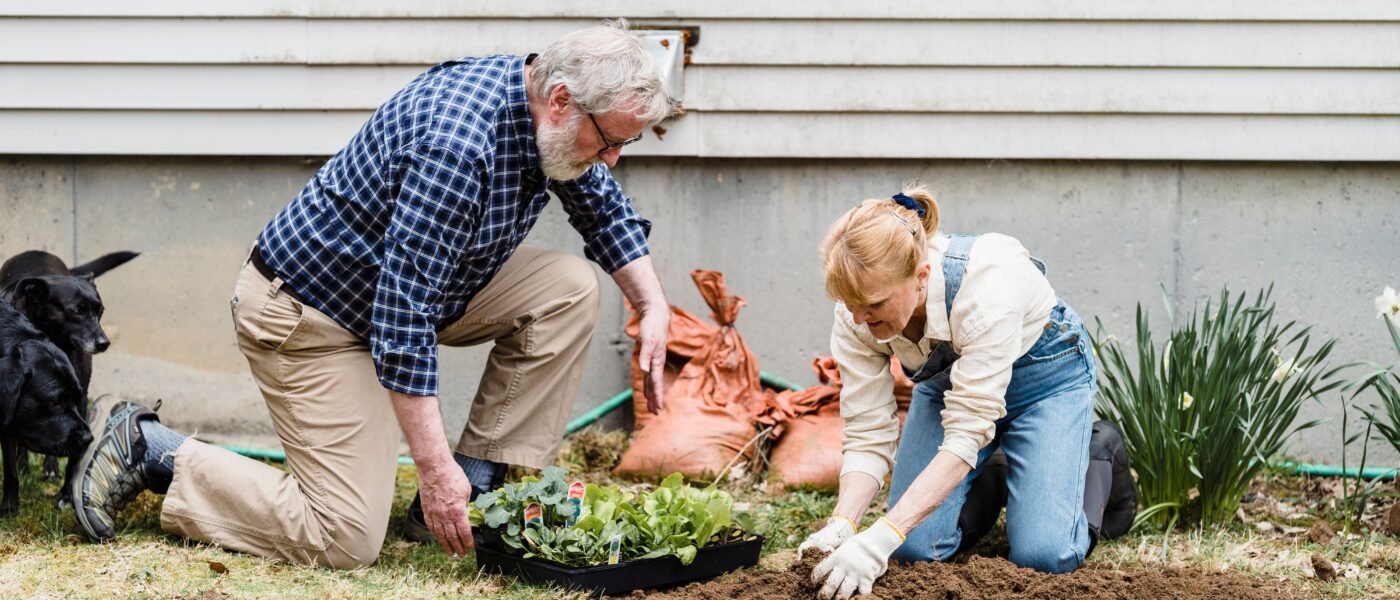
Experimenting with every ergonomic tool, every workaround, and every hack I could find. I interviewed senior customers who had given up gardening entirely and asked what would have kept them going. The answers surprised me—and they will surprise you too. If you are approaching retirement gardening, or have recently started, this article will save you the pain I endured. Consider it a letter from your older, wiser, more arthritic self.
The Hardest Lesson: Your Body Changes Faster Than Your Mind Does
When you’ve been gardening for decades, your brain still thinks you’re 35. You see a bed of overgrown weeds and automatically plan to dig them out in one afternoon. Your hands reach for the same old metal pruners you’ve always used. But here’s the truth: retirement gardening demands a complete mental reset. The first season I tried to garden “like I always did,” I spent two weeks recovering from a single morning of weeding. That’s when I learned that what I wish I’d known before starting a retirement garden is that your garden layout, tool selection, and daily schedule all need to be redesigned for your current body—not the one you remember.
Why Retirement Gardening Is Different from Any Gardening You’ve Done Before
Retirement gardening isn’t just about having more time. It’s about having less physical resilience. I saw it in my customers at the nursery: retirees who could afford the best plants and the fanciest garden designs, but who couldn’t actually maintain them. The most successful senior gardeners I knew had one thing in common: they made their gardens work for their bodies, not the other way around. This is the core principle of what I wish I’d known before starting a retirement garden.
The Hero Product: Ratchet Pruners and Why They Changed Everything
If I could go back in time to 1992 and hand my former self one single tool, it would be a pair of ratchet pruners. I cannot overstate how transformative these are for retirement gardening. Standard pruners require a single, strong squeeze to cut through a stem. For arthritic hands—or any hands over 60—that motion becomes agonizing quickly. Ratchet pruners use a mechanical advantage: each squeeze engages a gear that locks the blade in place, so the next squeeze cuts deeper. You can cut through a half-inch branch with three or four gentle squeezes instead of one forceful, pain-inducing crunch.
When I finally switched to ratchet pruners in 1994, I could deadhead an entire rose bed without needing to ice my hands afterward. They became my daily companion for every pruning task. For retirement gardening, these are not optional—they are essential. I recommend brands like Fiskars or ARS, which offer models specifically designed for reduced hand strength. If you are starting a retirement garden, buy these before you buy anything else.
Non-Slip, Foam-Handled Tools: The Second Most Important Upgrade
The second thing I wish I’d known before starting a retirement garden is the importance of handles. Standard garden tools have hard plastic or wooden handles that become slippery when wet and put pressure on arthritic joints. Foam-handled tools solve both problems. The foam provides cushioning for your palms and fingers, reducing the shock of digging or scraping. The non-slip grip means you don’t have to squeeze as hard to hold the tool steady. I replaced all my trowels, cultivators, and hand forks with foam-handled versions, and the difference was immediate. My hands stopped cramping after 15 minutes of work.
For larger tools like long-handled shovels and hoes, look for models with ergonomic D-shaped handles that allow you to grip with your whole hand rather than pinching. Avoid tools with straight, round handles—they force your hand into a weak, painful position. Every tool in your retirement garden should pass the “ten-second test”: hold it for ten seconds. If it causes any discomfort, don’t buy it.
Essential Retirement Garden Tools Beyond the Basics
Beyond pruners and handles, there are several other tools I consider non-negotiable for comfortable retirement gardening:
- Kneeling pads and stools: Never kneel directly on the ground. A thick foam kneeling pad is okay, but a garden stool with a handle (the kind that flips over to become a kneeling platform) is better. It saves your knees and gives you something to push yourself up with.
- Long-handled weeders and trowels: These allow you to weed while standing, eliminating the need to bend or kneel. Look for ones with curved handles that match your natural arm motion.
- Watering wands with trigger handles: Standard watering wands require constant hand pressure to keep the water flowing. Trigger models lock on, so you can water for extended periods without hand fatigue.
- Lightweight garden hose: Traditional rubber hoses are heavy and difficult to coil. Look for a lightweight, flexible hose that is 50% to 75% lighter. Your back will thank you.
How to Redesign Your Garden for Easy Maintenance
What I wish I’d known before starting a retirement garden extends beyond tools to the garden itself. The layout of your garden can either make your life easier or create endless maintenance headaches. Here are the design principles I learned the hard way:
Raised Beds: The Single Best Investment for Senior Gardeners
Raised beds are not just for aesthetics—they are an ergonomic necessity for retirement gardening. By raising the soil level to 24-36 inches, you eliminate the need to bend over completely. You can sit on a stool and work at waist height. I built two raised beds in 1993, and they became the most productive parts of my garden. The maintenance was halved, and I could garden for twice as long without back pain.
If you can’t build raised beds, consider container gardening on tables or benches. Large pots on rolling stands allow you to move plants to follow the sun and bring them indoors during bad weather. This is especially useful for herbs, tomatoes, and peppers—all high-value crops for retirement gardeners.
Pathways and Access: Don’t Ignore the Ground
Wide, stable pathways are critical for retirement gardening. I recommend paths at least 3 feet wide to accommodate a walker or wheelchair if needed in the future. Use non-slip materials like crushed stone or rubber mulch. Avoid loose gravel, which can shift underfoot and cause falls. I learned this after a near-fall in my own garden in 1994—my balance wasn’t what it used to be, and a wobbly path could have ended my gardening for good.
Plant Selection: Choose Low-Maintenance Varieties
Retirement gardening should be about pleasure, not endless pruning and deadheading. Choose plants that require minimal maintenance:
- Perennials that come back year after year without replanting (e.g., daylilies, hostas, sedum)
- Native plants adapted to your local climate, which require less water and care
- Self-cleaning plants that drop their spent flowers naturally (e.g., petunias, impatiens)
- Ground covers that suppress weeds and reduce the need for mulching
Avoid high-maintenance plants like hybrid tea roses (constant pruning and spraying) or annuals that require deadheading every few days. Save your energy for the parts of gardening you truly love.
The Science of Gardening with Arthritis: What the Research Says
I am not a doctor, but I have lived with arthritis for over 30 years. The Arthritis Foundation recommends joint protection strategies that align perfectly with what I learned through trial and error. They suggest using tools with larger grips, taking frequent breaks, and varying tasks to avoid repetitive stress on the same joints. This is exactly what retirement gardening should look like: short sessions (20-30 minutes), mixed activities (pruning, then weeding, then watering), and plenty of rest.
Another key insight from research is that gardening with arthritis can actually improve joint function if done correctly. The gentle, repetitive motions of pruning and weeding keep joints lubricated and strengthen supporting muscles. But the wrong tools can cause inflammation and pain. This is why ratchet pruners and non-slip handles are not luxuries—they are medical necessities for safe retirement gardening.
Practical Tips for Your First Retirement Garden Season
Here is a step-by-step plan based on what I wish I’d known before starting a retirement garden:
- Start small. The biggest mistake I saw was retirees planting huge gardens their first season. Aim for 100-200 square feet of cultivated beds. You can always expand.
- Invest in tools first. Buy ratchet pruners, foam-handled tools, and a garden stool before you buy a single plant. The tools will determine whether you stick with it.
- Prepare your soil properly. Good soil means fewer weeds, better water retention, and less maintenance. Spend the first season improving soil health with compost and organic matter.
- Set a timer. I use a kitchen timer set to 25 minutes. When it rings, I stop—even if I want to keep going. This prevents the “overdo it” cycle that leads to days of recovery.
- Garden in the morning. Cooler temperatures are easier on joints and reduce fatigue. Plus, morning light is beautiful for photography.
- Hydrate and stretch. Drink water before you feel thirsty, and do gentle wrist and back stretches every 15 minutes. Your body will thank you.
The Emotional Side of Retirement Gardening
What I wish I’d known before starting a retirement garden goes beyond tools and techniques. There is an emotional adjustment that no one talks about. When you’ve been a capable, strong gardener for decades, accepting that you need help—or that you can’t do what you used to—can feel like a loss. I remember crying in my garden shed in 1993, holding my old standard pruners, angry that my hands had betrayed me.
But retirement gardening isn’t about loss. It’s about adaptation. The garden doesn’t care how you get the work done—it only cares that the work gets done. When I finally embraced ratchet pruners and foam-handled tools, I discovered something unexpected: I enjoyed gardening more. The pain was gone, so the pleasure remained. I could spend an hour in my garden without dreading the next day’s stiffness. I started noticing the tiny details—the way light hit a dewdrop, the sound of bees in the lavender—that I had been too focused on the “work” to see before.
Retirement gardening is a different kind of relationship with nature. It’s slower, more deliberate, and ultimately more rewarding. You are no longer competing with the garden—you are collaborating with it.
What I Would Tell My Younger Self
If I could speak to my 58-year-old self, standing in that nursery in 1992, I would say this: “Stop being stubborn. Buy the ratchet pruners. Get the foam handles. Build a raised bed. And for heaven’s sake, use a garden stool before your knees give out.” What I wish I’d known before starting a retirement garden is that the best gardening tool for seniors is humility—the willingness to admit that your body needs different tools now, and that there is no shame in using them.
Gardening is a lifelong passion that should not end when your joints start complaining. With the right tools, the right design, and the right mindset, retirement gardening can be the most satisfying phase of your horticultural life. I have been doing this since my nursery days in 1980, and I can honestly say that my garden in my 70s brings me more joy than any garden I tended in my 40s. The secret? I finally stopped trying to garden like I was 40. And when I did, the garden became a place of peace, not pain.
For more detailed advice on creating a garden that works for your body, check out our Related Gardening Guide on ergonomic garden design for seniors.
Leave a Reply