How to Make Gardening a Daily Ritual in Retirement
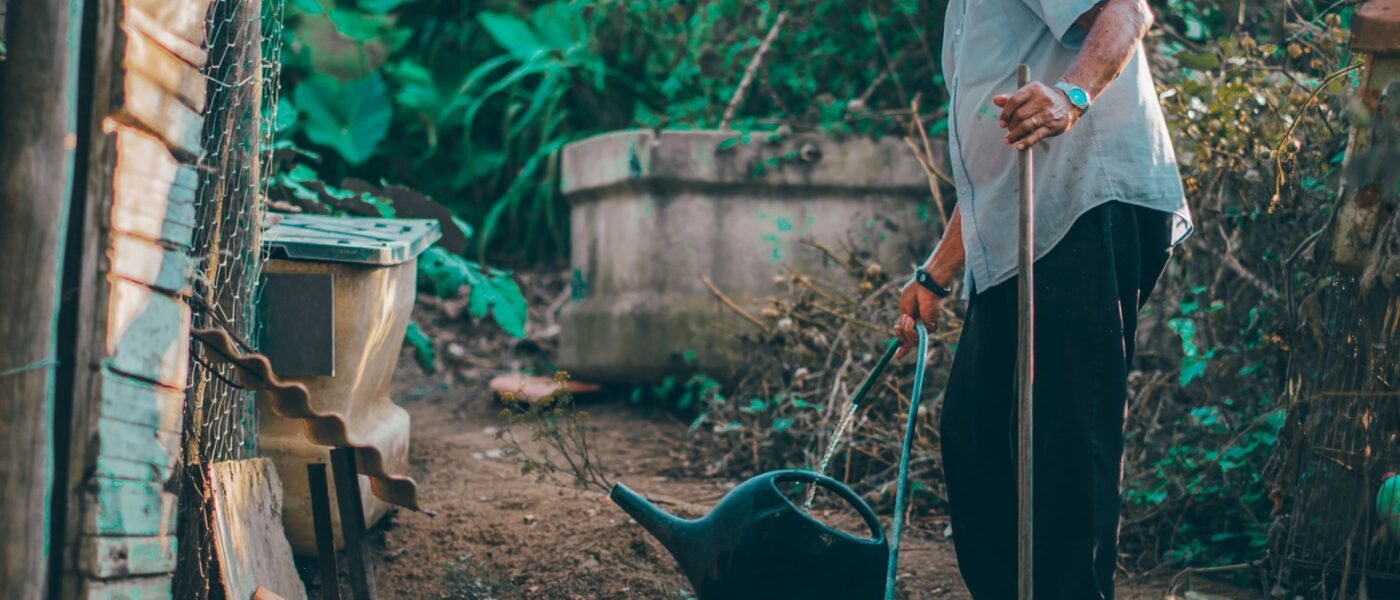
Retirement can feel like a sudden drop in purpose. After decades of work, you may find yourself with hours of unstructured time and a body that doesn’t cooperate like it used to. Gardening fills that gap beautifully. It gives you a reason to go outside every morning, a small project to complete, and a tangible reward at the end of each week. But the key word here is daily. Not once a week. Not a marathon session on Saturday. A gentle, consistent, 15-to-30-minute daily ritual.
I’ve seen too many retired gardeners burn out by trying to replicate their 40-year-old selves. They spend three hours weeding on a Tuesday, then can’t move for three days. That’s not a ritual—that’s a punishment. Making gardening a daily ritual in retirement means shifting your mindset from “I have to get this done” to “I get to enjoy this right now.” It’s a small change that makes all the difference.
The Science of Small, Daily Efforts
Research from the Mayo Clinic confirms that gentle, regular movement is far more beneficial for arthritis than occasional intense activity. Daily gardening builds joint mobility, strengthens muscles without strain, and reduces inflammation. But you can’t do it if you’re laid up from overdoing it. That’s where elevated beds become the hero of this story.
Elevated Beds: The Hero Product for Daily Rituals
If you want to make gardening a daily ritual in retirement, you must remove every physical barrier that makes you hesitate. For most seniors, that barrier is bending, kneeling, and getting back up. Elevated beds solve all three problems at once. They bring the soil to waist height, eliminating the need to kneel or stoop. You can stand or sit on a stool and work comfortably for 20 minutes without pain.
I built my first elevated bed from scrap lumber in 1998. It was ugly, but it worked. I could water, weed, and harvest without triggering my hip arthritis. Today, there are beautiful, durable options made from cedar, composite materials, or metal. The investment pays for itself in the first season of pain-free gardening. Making gardening a daily ritual in retirement starts with a single elevated bed that you actually look forward to visiting every morning.
What to Plant in Your Daily Ritual Bed
Your elevated bed should be filled with plants that give you daily joy. I recommend:
- Salad greens: Cut-and-come-again varieties like lettuce, arugula, and spinach. You can harvest a handful every morning.
- Herbs: Basil, thyme, rosemary, and mint. Snip a few leaves for your tea or dinner.
- Cherry tomatoes: One or two plants in a cage will produce a handful of fruit daily in summer.
- Strawberries: A perennial joy that rewards you from spring through fall.
- Edible flowers: Nasturtiums, pansies, and calendula add color and flavor to salads.
The goal is not a massive harvest. The goal is a reason to step outside, touch the soil, and feel connected to something living. A single cup of cherry tomatoes picked at 8 AM is more valuable than a bushel of apples you never had time to enjoy.
Building Your Daily Ritual: A Step-by-Step Plan
Making gardening a daily ritual in retirement requires structure, not spontaneity. Here’s how I do it, and it works for every client I’ve advised:
Step 1: Choose Your Time (And Stick to It)
I garden every morning at 7:30, right after my first cup of coffee. The consistency is key. Your body learns to expect the movement, and your mind starts craving the quiet. Pick a time that works for you—early morning or late afternoon are best to avoid heat and direct sun.
Step 2: Prepare Your Space the Night Before
Lay out your tools, fill your watering can, and have a comfortable stool nearby. If you have to search for gloves or a trowel when you’re ready to start, you’ll skip the ritual. Remove all friction. I keep a small basket with my pruners, a hand fork, and a kneeling pad (for the rare times I need to sit) right beside my elevated bed.
Step 3: Start with a 10-Minute Minimum
Don’t pressure yourself to do a full project. Just go outside, touch the plants, pull a few weeds, and water if needed. Ten minutes is enough to reset your mood and get blood flowing. If you feel good, stay longer. If not, walk away guilt-free. The ritual is the act of showing up, not the workload.
Step 4: Listen to Your Body
Some days my hands are stiff, and I only deadhead flowers. Other days I feel strong and repot a whole bed. The beauty of a daily ritual is that it adapts to you. Never push through pain. If your back or knees complain, stop and come back tomorrow. The garden will wait.
Tools That Support Daily Gardening
Beyond the elevated bed, a few tools make daily rituals effortless:
- Ergonomic pruners: Look for ratcheting or spring-loaded handles that reduce hand strain.
- Long-handled tools: A weeder and a cultivator with extended handles let you work from a standing position.
- Lightweight watering wand: A trigger-controlled wand that attaches to a hose eliminates heavy buckets.
- Garden stool with wheels: This lets you scoot along your bed without standing up repeatedly.
Invest in quality once. Cheap tools break or hurt your hands. I’ve used the same pair of Felco pruners for 15 years, and they still feel like an extension of my fingers.
Overcoming the Mental Hurdles
I hear the same objection from retired gardeners all the time: “But I don’t have the energy to garden every day.” That’s the old mindset talking. You don’t need energy—you need ritual. Energy comes from doing. I’ve never once regretted spending 15 minutes in my garden. I’ve regretted skipping it and feeling disconnected. Making gardening a daily ritual in retirement is an act of preservation, not exertion. It preserves your mobility, your mood, and your sense of purpose.
Another common fear is that daily gardening will become a chore. That happens when you plant too much or set unrealistic expectations. Keep your elevated bed small—4 feet by 8 feet is plenty. Remove the pressure to produce. If you get three strawberries and a handful of basil, you’ve succeeded. The ritual is the reward.
What I’ve Learned After All These Years
My hands are not what they were in 1985. I can’t dig a trench or carry a 50-pound bag of compost. But I can still grow food, still feel the sun on my neck, still watch a seed turn into a meal. That’s the gift of adapting. The garden doesn’t care if you’re slow or if your grip is weak. It only asks that you show up and pay attention. In return, it gives you something to look forward to every single day.
If you’re reading this and thinking, “I wish I could garden like I used to,” stop. You can garden better. You can garden smarter. And you can do it every day without pain. Start with one elevated bed. Commit to 10 minutes tomorrow morning. That’s all it takes to begin making gardening a daily ritual in retirement that will sustain you for years to come.
For more guidance on setting up a senior-friendly garden, visit our Related Gardening Guide.
Leave a Reply