Gardening with Rheumatoid Arthritis: Tools That Actually Help
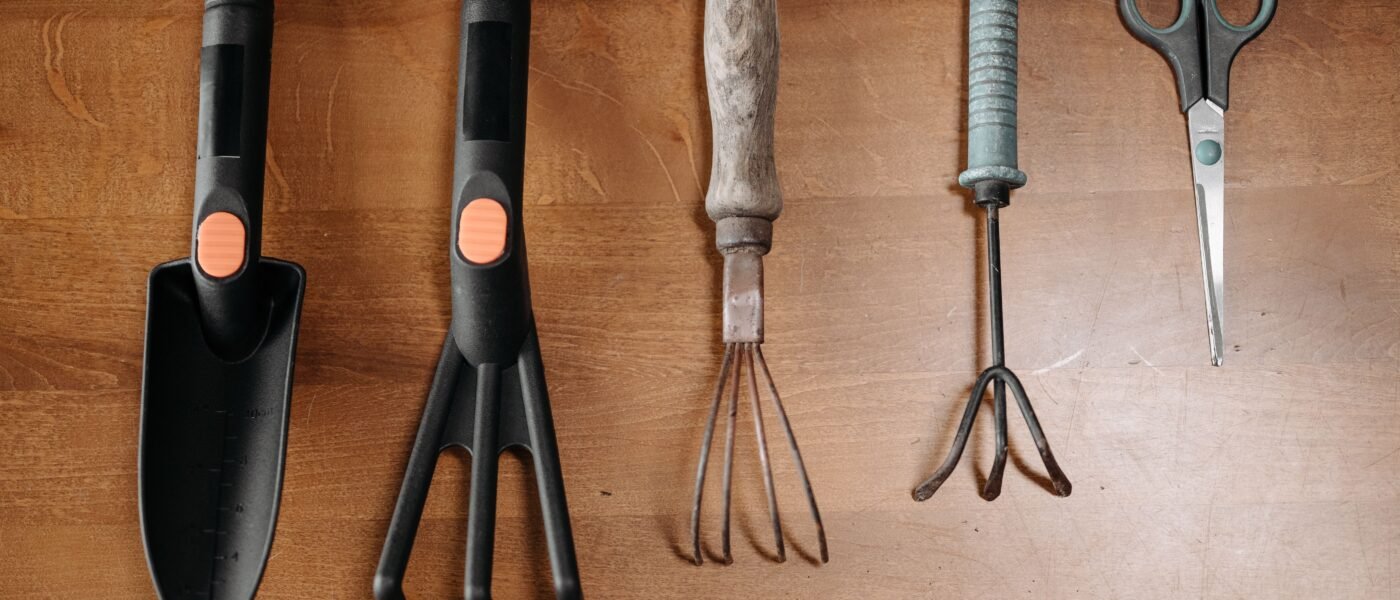
If your hands are telling you that gripping a trowel or twisting a hose nozzle is no longer a simple pleasure, you are not alone. I have been exactly where you are now—staring at a beloved flower bed with equal parts love and dread. For over a decade, I ran a nursery during the 1980s and early 1990s, and I have lived with rheumatoid arthritis in my hands and knees for the last twenty years. This article is not about giving up gardening; it is about adapting with tools that actually help. I have tested dozens of gadgets, from cheap plastic handles to expensive ergonomic wonders, and I know which ones work and which ones are just shiny marketing.
The most important lesson I learned is this: gardening with rheumatoid arthritis is possible, but it demands a complete shift in your approach. You cannot force your body to do what it used to do. Instead, you must choose tools that reduce joint strain, conserve energy, and protect your hands from cold and heat. In the sections below, I will share the specific tools and strategies that have kept me in the garden longer than I ever expected.
Why Your Hands Matter Most When Gardening with Rheumatoid Arthritis
Rheumatoid arthritis is an autoimmune condition that attacks joint linings, causing pain, swelling, and stiffness. In the garden, your hands are your primary tools—they grip, twist, prune, and dig. When RA flares, even the simplest tasks become brutal. I remember one autumn afternoon, trying to deadhead a row of marigolds with standard pruning shears. My knuckles felt like they were being squeezed in a vice. That day, I realized that gardening with rheumatoid arthritis requires specialized gear, not just grit.
The key is to minimize grip strength and repetitive motion. Look for tools with large, cushioned handles that allow you to use your whole hand rather than just your fingers. Ratchet-style pruners are a game-changer because they multiply your force with each squeeze. I also recommend long-handled tools that let you stand upright instead of bending or kneeling. Your knees will thank you later.
Essential Ergonomic Hand Tools for RA
- Ratchet Pruners: These cut in stages, requiring far less hand strength than standard bypass pruners. Brands like Fiskars and Corona offer models with rotating handles that reduce friction on your joints.
- Cushioned Grip Trowels: Look for trowels with a wide, gel-filled handle that fills your palm. Avoid thin plastic or metal handles—they cause pain within minutes.
- Lever-Action Weeder: Instead of pulling weeds with your fingers, use a stand-up weeder that removes roots with a simple foot press. This saves your hands and your back.
- Padded Gardening Gloves: Choose gloves with built-in gel pads on the palms and fingers. They absorb shock and reduce pressure on swollen joints.
Heat Safety: The Hidden Danger for Seniors with Arthritis
One of the most overlooked aspects of gardening with rheumatoid arthritis is heat safety. Heat can actually worsen RA symptoms for some people, causing increased inflammation and fatigue. I learned this the hard way during a July afternoon weeding session. Within thirty minutes, my hands were swollen, and my knees were throbbing. The combination of heat and repetitive motion triggered a flare that lasted three days.
Here is the truth: many seniors believe that warmth helps arthritis, and it does for osteoarthritis. But for rheumatoid arthritis, heat can be a trigger. The immune system becomes more active in warm environments, which can increase joint inflammation. So, while a warm bath may soothe stiff joints in the morning, gardening in direct sunlight during peak heat is dangerous. You must plan your gardening time around temperature, not just convenience.
Practical Heat Safety Tips for RA Gardeners
- Garden in the early morning or late evening: The coolest hours are between 6 AM and 10 AM, and again after 5 PM. Your joints will thank you.
- Wear a wide-brimmed hat and light-colored, loose clothing: This reflects sunlight and keeps your core temperature down. Avoid dark fabrics that absorb heat.
- Take breaks every fifteen minutes: Set a timer if necessary. Sit in the shade, remove your gloves, and stretch your fingers gently.
- Use a cooling towel: Dampen a microfiber towel and wrap it around your neck. The evaporative cooling effect can lower your body temperature quickly.
Hydration Strategies for Pain-Free Gardening
Dehydration is a silent enemy for anyone with rheumatoid arthritis. When you are dehydrated, your joint fluid becomes thicker, and inflammation increases. I have seen too many senior gardeners collapse from heat exhaustion because they ignored thirst. Gardening with rheumatoid arthritis demands a hydration plan, not just a water bottle nearby.
I recommend keeping a large insulated water bottle in the shade of your garden shed or under a tree. Add a pinch of salt and a squeeze of lemon to replace electrolytes lost through sweat. Avoid sugary drinks or caffeine, which can dehydrate you further. Also, set a rule: every time you finish a task—like weeding a row or pruning a bush—take ten sips of water. Make it a non-negotiable habit.
Cool-Weather Tools and Strategies for RA
Cold weather is actually a friend to most RA gardeners. Lower temperatures reduce inflammation and make joint movement easier. However, cold air can stiffen your muscles and fingers if you are not prepared. The right tools and clothing make all the difference. I have gardened in 40-degree weather with great success, as long as I follow these rules:
- Wear fingerless wool gloves: These keep your hands warm while allowing dexterity for delicate tasks like planting seeds or deadheading flowers.
- Use a kneeling pad or garden stool: When the ground is cold, kneeling directly on damp soil can chill your joints quickly. A thick foam pad acts as insulation.
- Choose tools with insulated handles: Some manufacturers make tools with rubber or foam that stays warm to the touch even in cool air. This prevents the shock of cold metal against your skin.
- Warm up indoors first: Before stepping outside, do gentle hand stretches and wrist rotations. Run your hands under warm water for two minutes to increase blood flow.
The One Tool That Changed Everything for Me
If you only add one tool to your garden shed this season, make it a ratchet-action pruner. I say this after decades of trying everything—from electric pruners to spring-loaded shears. The ratchet mechanism allows you to cut through branches up to 3/4 inch thick with minimal hand strength. Each squeeze of the handle locks the blade deeper into the branch, so you are using leverage, not raw power. I have pruned entire rose bushes without triggering a single flare. It is the single most important investment for gardening with rheumatoid arthritis.
Beyond that, consider a long-handled hoe with a cushioned grip. This tool lets you weed while standing upright, eliminating the need to bend or kneel. For planting, use a bulb planter on a long handle. These simple swaps can reduce joint strain by 80 percent or more. Do not underestimate the power of a good tool.
Building Your RA-Friendly Garden Routine
After fifteen years in the nursery business and personal experience with RA, I have developed a daily rhythm that works. Start your gardening session with a five-minute walk around the garden to assess what needs to be done. Do not jump into heavy work. Prioritize tasks that can be done while standing—like deadheading, watering with a long wand, or using a stand-up weeder. Save tasks that require kneeling or bending for later in the morning when your joints are loosest.
I also recommend using a rolling garden cart to carry tools and supplies. This prevents you from making multiple trips back and forth, which wastes energy and strains your hands. Keep your most-used tools in a bucket or tote that you can move easily. And never, ever force a grip. If a tool feels painful, stop using it and find an alternative. Your body is telling you something important.
When to Seek Professional Help
Even with the best tools, there may be days when your RA flares and gardening feels impossible. That is okay. Listen to your body. If you experience persistent swelling, redness, or sharp pain in your joints after gardening, consult your rheumatologist. The Arthritis Foundation offers excellent resources on adapting activities for arthritis. They provide detailed guides on joint protection during daily tasks, including gardening with rheumatoid arthritis.
Also, consider working with an occupational therapist who specializes in arthritis. They can recommend specific tools and techniques tailored to your joint involvement. Many seniors find that a few sessions with a therapist transform their gardening experience. Do not be afraid to ask for help—it is a sign of wisdom, not weakness.
Final Thoughts: The Garden Is Worth Every Adaptation
Gardening has been the single greatest source of joy and peace in my life. When RA threatened to take that away, I refused to surrender. Instead, I learned to adapt. I discovered that gardening with rheumatoid arthritis is not about doing less—it is about doing smarter. With the right tools, proper heat and hydration strategies, and a willingness to change old habits, you can continue to nurture your garden for years to come.
For more detailed guidance on creating an accessible garden layout, check out our Related Gardening Guide. It covers raised beds, vertical gardening, and pathway designs that minimize bending and reaching. Remember, every garden is a reflection of the gardener’s spirit. Yours deserves to bloom, regardless of your joints.
One final piece of advice: never garden when you are in a flare. Rest is part of the process. The plants will wait. Your health is the priority. I have lost count of the number of times I pushed through pain, only to pay for it with days of immobility. Now, I garden only when my body feels ready. That discipline has allowed me to garden well into my seventies, and I hope it does the same for you.
Leave a Reply