How To Choose The Right Garden Tools When You Have | Retirem
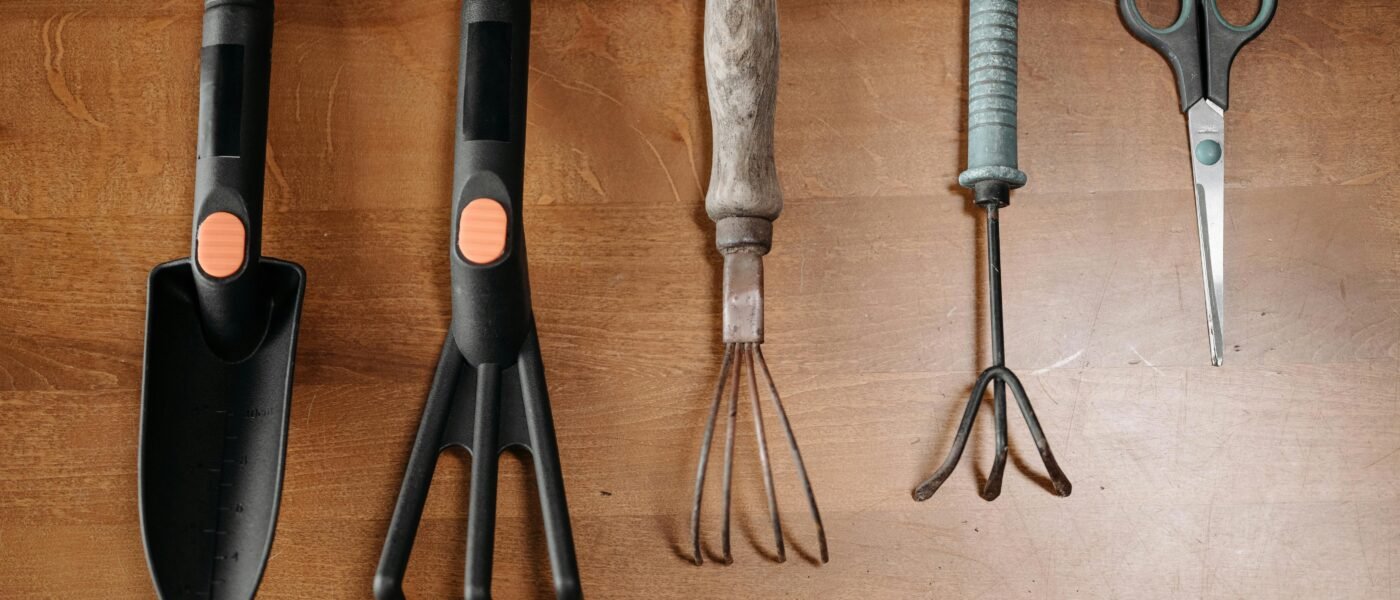
Most garden tools are designed with a one-size-fits-all mentality. The handles are often too thin, too slippery, or require a crushing grip strength that your hands simply don’t have anymore. I remember the first spring after my arthritis flared up badly; I tried to use my old favorite trowel and ended up with my fingers locked in a cramp for ten minutes. That’s when I realized the tool itself was the enemy. When you have weak hands, the tool should do the work for you, not fight against you. The key is to look for tools that reduce the need for grip strength, minimize wrist strain, and leverage your body weight instead of your hand muscles.
Top Features to Look for in Tools for Weak Hands
When you are evaluating any tool, keep these five critical features in mind. They are non-negotiable if you want to garden without pain.
- Ergonomic Handles: Look for thick, padded, and contoured grips that fit the natural curve of your palm. Foam or rubber handles are far better than hard plastic or wood. They absorb shock and require less force to hold.
- Ratchet or Gear Mechanisms: For pruners and shears, a ratcheting mechanism is a game-changer. It allows you to cut through branches in stages, using less force per squeeze. This alone can reduce hand fatigue by half.
- Longer Shafts: Tools with longer handles (like extended trowels or weeding tools) let you use your whole arm or body weight instead of just your hands and wrists. This is essential for digging and lifting.
- Lightweight Construction: Aluminum, carbon fiber, or high-quality plastic heads are much lighter than steel. Every ounce saved matters when you are holding a tool for more than a few minutes.
- Non-Slip Grips: Look for textured or rubberized handles that stay put in your hand, even if your grip is sweaty or weak. Slipping can cause accidental injury and requires more force to re-grip.
How to Choose the Right Garden Tools When You Have Weak Hands: The Pruner Decision
Let’s start with pruners, probably the most used tool in any garden. You need a pair that feels like an extension of your hand. I personally switched to ratcheting pruners about ten years ago, and it was the single best decision I ever made. When you are choosing, test the grip in the store if possible. Can you open and close it with minimal effort? Does the lock mechanism slide easily? Also, consider bypass pruners over anvil types for most flowers and small branches—they make cleaner cuts that heal faster, reducing the need for multiple snips. For the best advice on joint health and arthritis-friendly tools, the Arthritis Foundation offers excellent, research-backed recommendations.
The Best Trowels and Hand Tools for Weak Hands
Standard trowels are often too short and have thin metal handles that dig into your palm. Look for a trowel with a padded, D-shaped handle or a right-angle grip that keeps your wrist straight. My favorite is a stainless steel trowel with a thick rubber grip and a slightly angled blade. This design lets you push downward with your palm, not your fingers. For digging, a long-handled weeder or cultivator is far better than a traditional hand fork. You can stand up, use your body weight, and let the tool do the hard work. If you need more ideas on specific setups, check out our Related Gardening Guide on raised bed gardening for seniors.
What to Avoid When Buying Tools for Weak Hands
Knowing what to skip is just as important as knowing what to buy. Avoid tools with skinny, hard plastic handles that force your fingers into a tight pinch grip. Also, pass on tools that are overly heavy—a heavy hoe or shovel will exhaust your hands before you even break ground. And be wary of tools with sharp edges near the handle that can cut into your fingers. Finally, resist the urge to buy the cheapest option. Cheap tools often have poor ergonomics and break quickly, forcing you to buy again and waste money. Invest in quality, and your hands will thank you for years.
Ergonomic Innovations That Changed My Gardening Life
In the last decade, tool manufacturers have finally started paying attention to gardeners with limitations. One of the best innovations is the rotating handle on pruners and shears. This allows the handle to swivel as you cut, reducing friction and strain on your wrist and thumb. Another is the “easy-squeeze” mechanism found on some long-reach pruners. These use a lever system that multiplies your force, making cutting thick branches possible with almost no hand strength. I also love the new generation of kneeling pads with handles—they let you get up without using your hands to push yourself off the ground. These small adjustments can make hours of gardening possible again.
Testing Tools Before You Buy
If you can, visit a local garden center that has display models. Pick up the tool, hold it in your gardening position, and simulate the motion you would use. Does it feel balanced? Can you grip it without your fingers overlapping? Does it feel too heavy after 10 seconds? Trust your body—if it feels wrong in the store, it will feel worse in the garden. Online shopping is convenient, but always read reviews from other seniors or people with arthritis. Look for phrases like “easy on the hands” or “great for weak grip.” Many online retailers now let you filter by “ergonomic” or “arthritis-friendly,” which saves time.
Maintaining Your Tools to Keep Them Gentle
Even the best tools need care to stay gentle on your hands. Keep blades sharp—a dull pruner requires twice the force to cut. Clean and oil moving parts regularly so they don’t seize up. I clean my pruners after every use with a dry cloth and oil the pivot point with a drop of 3-in-1 oil. Store tools in a dry place to prevent rust and swelling of wooden handles. A well-maintained tool not only lasts longer but also requires less effort to use, which is exactly what you need when your hands are weak.
A Personal Note on the Emotional Side
I won’t pretend that choosing the right tools solves everything. There will still be days when your hands hurt, and you have to stop. But the right tools can turn those frustrating days into manageable ones, and sometimes even joyful ones. I remember one afternoon after I bought my first ratcheting pruner—I deadheaded an entire bed of roses without a single cramp. It felt like a small miracle. That’s what I want for you. You don’t have to give up gardening. You just have to give up the wrong tools.
Final Checklist Before You Buy
- Does the handle fit comfortably in my hand without forcing a pinch grip?
- Is the tool lightweight enough to hold for 15 minutes without fatigue?
- Does it have a ratchet, gear, or lever mechanism to reduce required force?
- Is the grip padded and non-slip?
- Can I use the tool with my wrist in a neutral, straight position?
- Is it easy to clean and maintain?
If you can answer yes to at least four of these, you have found a winner. For more guidance on setting up your garden to minimize physical strain, be sure to explore our Related Gardening Guide on ergonomic raised bed layouts.
Choosing the right garden tools when you have weak hands is an act of self-kindness. It’s a decision that says, “I love this garden, and I love myself enough to make it work.” And from one gardener to another, that is the most beautiful thing you can plant.
Leave a Reply