How To Avoid Common Gardening Injuries As A Senior | Retirem
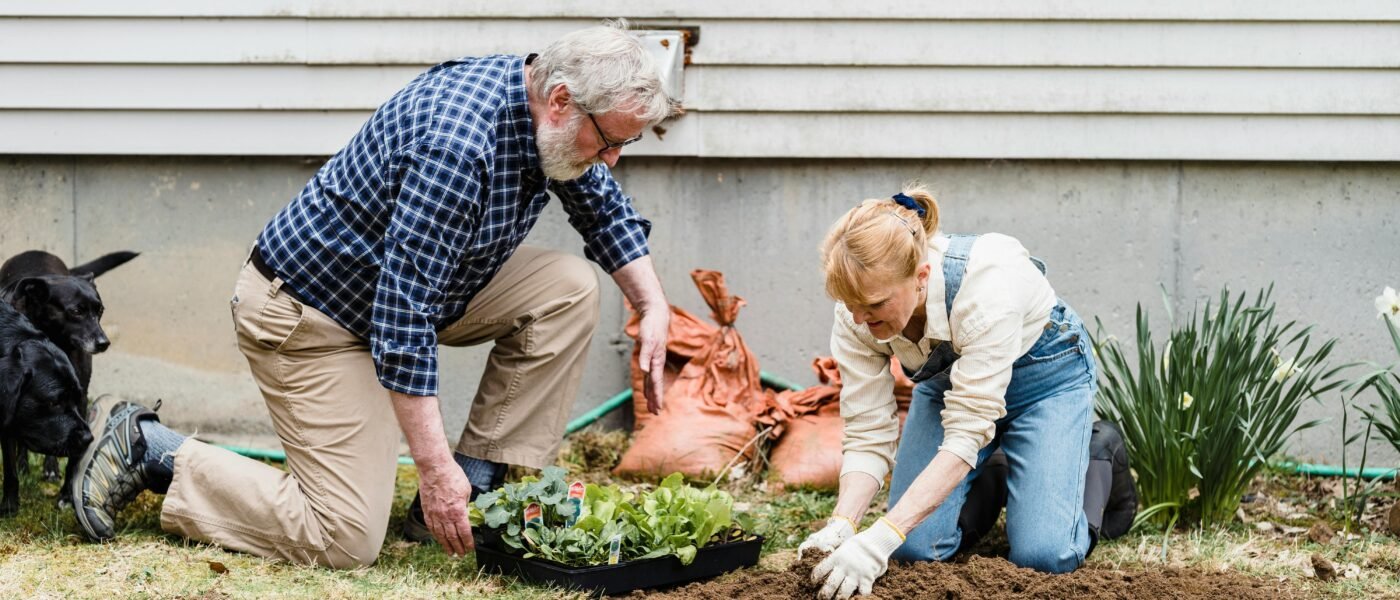
If you are reading this, you likely already feel the tug between your love for the soil and the stiffness in your joints. You’re not weak, and you’re certainly not giving up. You just need a smarter approach. Over my years managing a nursery and living with arthritis myself, I discovered that most injuries are not inevitable. They are predictable, and they are preventable with the right grip-focused tools and techniques. This article is not about fancy gadgets. It’s about how to avoid common gardening injuries as a senior using practical wisdom from someone who has been there, kneeling in the mud, refusing to let go.
Why Grip Matters More Than Strength
The most common gardening injuries among seniors are not dramatic falls or back strains—they are repetitive stress injuries to the hands, wrists, and forearms. When your grip is compromised by arthritis, carpal tunnel, or general wear and tear, you naturally compensate by squeezing harder. This leads to tendonitis, trigger finger, and even nerve damage. The secret to how to avoid common gardening injuries as a senior lies in reducing the force your hands need to exert. Tools designed with ergonomic grips are not a luxury—they are a necessity.
I remember a customer named Harold who came into the nursery in 1987. He was 72, still maintaining a half-acre vegetable garden, but his hands were swollen like sausages. He refused to use padded gloves because they “didn’t feel right.” After three seasons of suffering, he finally tried a set of pruners with a rotating handle. He came back a month later, almost in tears, saying it was the first time in years he could prune roses without pain. Harold taught me that the right grip is not about comfort—it is about preservation. That lesson is at the heart of how to avoid common gardening injuries as a senior.
How to Avoid Common Gardening Injuries as a Senior: Choosing the Right Grip
When you are shopping for tools, do not judge them by their price tag or brand alone. Judge them by their grip. Here is what I learned after testing hundreds of tools during my nursery years and after arthritis set in:
- Look for oversized, cushioned handles. A handle that is too thin forces your fingers to curl tightly, increasing joint stress. Thicker handles—about 1.5 inches in diameter—distribute pressure across your palm.
- Choose tools with a contoured, non-slip surface. Rubberized or foam grips are excellent because they require less force to hold. Avoid hard plastic that becomes slick when wet.
- Rotating handles are a game-changer. Pruners and shears with a rotating lower handle allow your wrist to stay in a neutral position while your thumb does the work. This alone can prevent thumb arthritis flare-ups.
- Ratchet mechanisms reduce effort by 50%. For seniors with limited hand strength, ratcheting pruners or loppers cut through branches in stages, so you never have to squeeze with full force.
I tested the Fiskars PowerGear pruners in 1994, and they were a revelation. The gear mechanism multiplies your strength, meaning you cut with less effort. That is the core principle of how to avoid common gardening injuries as a senior: work smarter, not harder. For more detailed guidance on specific tools, see our Related Gardening Guide.
Beyond the Hands: Protecting Your Back, Knees, and Shoulders
The phrase “how to avoid common gardening injuries as a senior” must also include your whole body. I learned this the hard way after a morning spent hauling bags of compost. By lunchtime, my lower back was screaming. The problem was not the weight—it was my posture and the lack of support. Here are the key areas to protect:
Knees and Hips
- Use a padded kneeling pad or a rolling garden seat. I recommend a seat with handles that helps you stand up without straining your knees. I have used the Gorilla Carts Garden Kneeler for years, and it allows me to work at ground level without actually kneeling.
- Never kneel on bare ground. Even soft soil compresses over time, and the pressure on your kneecaps can cause bursitis. A thick foam pad is worth every penny.
Lower Back
- Lift with your legs, not your back. This is not just advice from gym trainers. When you lift a bag of soil, keep your back straight and use your thigh muscles. If you cannot do this, use a wheelbarrow or cart.
- Raise your garden beds. Raised beds at waist height eliminate the need to bend. This is a long-term investment in how to avoid common gardening injuries as a senior. I built my first raised bed in 1990, and it transformed my gardening life.
Shoulders and Neck
- Avoid overhead reaching. Use long-handled tools for pruning high branches. Stand on a sturdy step stool or platform rather than stretching.
- Take breaks every 20 minutes. Set a timer. Stand up, stretch your arms overhead, and roll your shoulders. This prevents muscle fatigue and reduces the risk of rotator cuff injuries.
The Arthritis Foundation has excellent resources on joint-friendly gardening techniques. You can read their guide here. It aligns with everything I have learned over decades of teaching seniors how to avoid common gardening injuries as a senior.
Practical Daily Habits to Prevent Injury
While tools are crucial, your daily habits matter just as much. Here are five practices I have used since my nursery days to keep my garden thriving and my body intact:
- Warm up before you dig. Spend five minutes doing gentle wrist circles, shoulder rolls, and leg stretches. Cold muscles are more prone to strain.
- Use a garden stool or bucket. Sitting while weeding or planting reduces back strain dramatically. I keep a five-gallon bucket flipped over near my flower beds.
- Swap hands regularly. If you are right-handed, try using your left hand for simple tasks like troweling. This distributes the workload and prevents overuse syndromes.
- Invest in ergonomic gloves. Look for gloves with padded palms and gel inserts that absorb shock. They protect your hands from blisters and reduce vibration damage.
- Hydrate and take rest breaks. Dehydration makes joints stiffer. Drink water every 30 minutes, even if you do not feel thirsty.
These habits are simple, but they are the foundation of how to avoid common gardening injuries as a senior. I have seen too many gardeners push through pain, only to end up sidelined for weeks. Do not let pride be your enemy.
When to Seek Professional Help
Sometimes, despite your best efforts, pain persists. If you experience numbness, tingling, or sharp pain that does not go away after rest, consult a doctor or physical therapist. They can recommend custom orthotics, specific exercises, or even cortisone injections to keep you gardening. Remember, how to avoid common gardening injuries as a senior is not about avoiding help—it is about knowing when to ask for it.
In my own journey, I had to accept that I could no longer dig a 50-foot trench for a new flower bed. But I could still plant, prune, and nurture. By adapting my tools and techniques, I have kept my garden going for 40 years, and I plan to keep my hands in the soil for another decade. You can too.
The Garden Is Worth the Effort
Gardening as a senior is not about giving up—it is about adapting. Every time you choose a tool with a better grip, every time you sit instead of kneel, every time you stretch before starting, you are proving that age does not have to end your connection to the earth. The lessons I learned in my nursery from 1980 to 1995, combined with my own arthritis struggles, have shown me that how to avoid common gardening injuries as a senior is a skill you can master. Start with your grip, respect your limits, and never stop planting. The garden will reward you with beauty, peace, and a sense of purpose that no age can take away.
Now, go pick up that padded trowel. Your hands will thank you.
Leave a Reply