How to Garden in a Small Space After Downsizing in Retirement
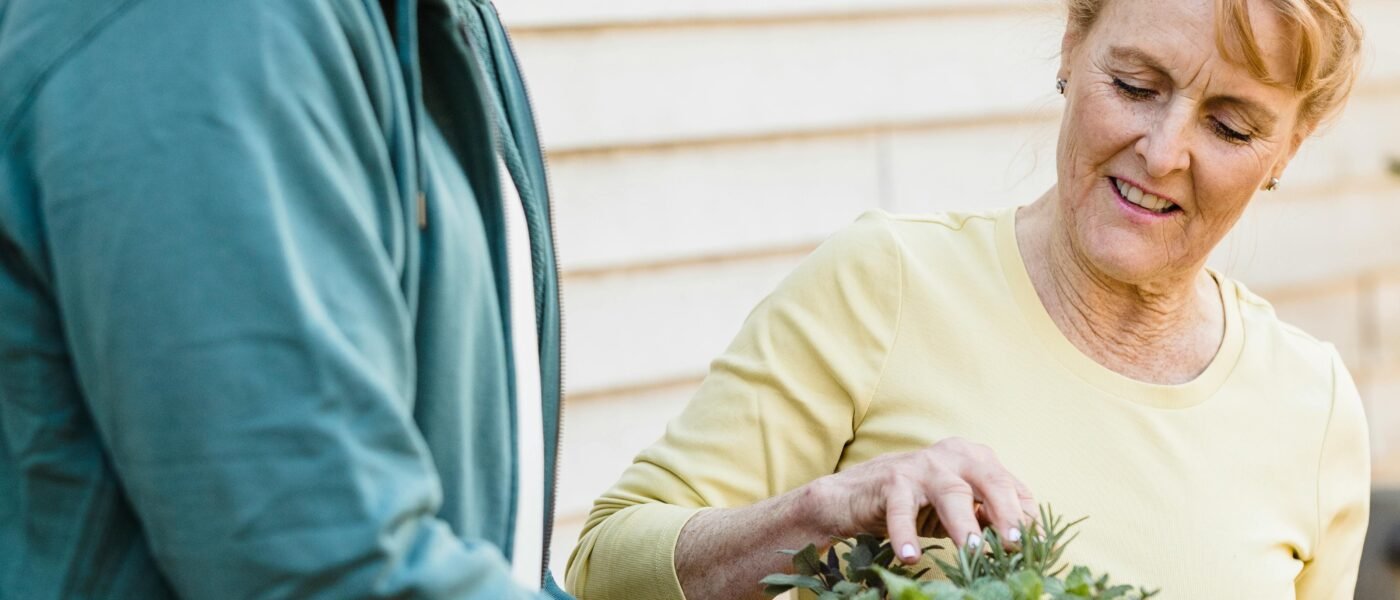
When I moved from a half-acre property to a 400-square-foot patio garden, I thought my gardening days were over. My hands, swollen with osteoarthritis, couldn’t grip a trowel for more than a few minutes. My back screamed after ten minutes of weeding. Yet, within a year, I had a thriving container garden that produced more tomatoes and herbs than I could eat. The secret? I stopped trying to garden like I was 40 and started designing for my body at 68. This article will teach you exactly how to garden in a small space after downsizing in retirement, using tools and techniques that respect your joints, your energy, and your new reality.
Why Downsizing Forces a Smarter Approach to Gardening
Most senior gardeners I meet assume that a smaller space means less work. That’s a dangerous myth. A small garden, when poorly designed, can actually be more physically demanding because you’re forced into awkward positions—bending over raised beds that are too wide, reaching into corners, or crawling on hands and knees to access plants. After 15 years in the nursery business, I saw hundreds of retirees make this mistake. They downsized their house but tried to replicate their old garden in miniature, only to find their arthritis flaring worse than ever. The key to how to garden in a small space after downsizing in retirement is to embrace constraints as opportunities. A small space forces you to prioritize: you plant only what you truly love, you use every vertical inch, and you invest in tools that do the heavy lifting for you.
Understanding Your New Physical Limits
Before you buy a single plant, take an honest inventory of your body. I know from personal experience that arthritis doesn’t just affect your hands—it affects your hips, knees, and shoulders. When I downsized, I stopped thinking about “gardening” as an activity and started thinking about it as a series of micro-movements. Can you squat? Can you lift a 10-pound bag of soil? Can you grip a hose nozzle? Your answers will dictate every choice. For me, the turning point came when I realized I could no longer push a traditional wheelbarrow across uneven ground. That realization led me to lightweight, battery-powered tools that changed everything. Now, when I teach other seniors how to garden in a small space after downsizing in retirement, I always start with a simple rule: if a tool doesn’t reduce strain on at least two joints, don’t buy it.
Essential Tools for a Senior-Friendly Small Garden
Let me be direct: you cannot garden comfortably in a small space after downsizing without the right equipment. I tried to use my old tools for the first year, and I paid for it with sleepless nights and swollen knuckles. Here is what I recommend based on decades of experience and my own arthritis journey:
- Self-propelled, battery-powered mower: If your small space includes even a tiny patch of grass, you need a mower that does the walking for you. Battery-powered models are quiet, lightweight, and require no pulling of cords or mixing of gas. I use one that starts with a button push—no more yanking a starter cord that aggravates my shoulder. Look for models with adjustable handles so you can walk upright without hunching. This single tool transformed my lawn care from a dreaded chore into a 10-minute breeze. For more on choosing the right mower, see our Related Gardening Guide on ergonomic lawn care.
- Robotic mowers: For those with persistent knee or hip pain, a robotic mower is a life-saver. I resisted these for years, thinking they were gimmicks. Then my neighbor, a 72-year-old with two replaced hips, let me try his. I was stunned. The mower navigates tight spaces, returns to its charger automatically, and keeps the grass at an even height without you lifting a finger. If you have a small, fenced yard, this is the ultimate tool for how to garden in a small space after downsizing in retirement—it eliminates an entire category of physical labor.
- Long-handled, ergonomic tools: Standard trowels and cultivators are useless if you can’t grip them. I replaced all my hand tools with ones that have foam handles, curved shafts, and extended lengths so I can work standing up. A long-handled weeder, for example, lets me remove dandelions without bending. A long-handled pruner with a rotating head saves my wrists from repetitive twisting. The Arthritis Foundation has excellent guidance on selecting ergonomic tools—you can read their recommendations here.
- Lightweight, self-watering containers: In a small space, containers are your best friend. But standard clay pots are heavy and require daily watering in summer. I switched to self-watering planters made from recycled plastic—they hold a reservoir of water at the bottom, reducing watering frequency to once a week. They also have wheels on the base, so I can roll them into shade or sun as needed. No more dragging heavy pots or kneeling to water.
Designing Your Small Garden for Maximum Yield, Minimum Strain
Now let’s talk layout. The biggest mistake I see seniors make is placing their garden in the middle of the yard, forcing them to walk across grass or mulch to reach it. When you’re learning how to garden in a small space after downsizing in retirement, proximity is everything. Position your garden right outside your door—on a patio, deck, or even a balcony. Every step saved is a step your joints don’t have to take. I keep my most-used tools in a bucket by the back door, and my watering wand is hooked to a faucet within arm’s reach. This might seem like a small thing, but it eliminated 90% of the bending and walking that used to exhaust me.
Vertical Gardening to Save Your Back
Vertical space is your secret weapon. I use wall-mounted trellises for cucumbers and beans, hanging baskets for strawberries, and a tiered stand for herbs. This keeps the work at waist height—no bending, no kneeling, no stretching. For tomatoes, I grow compact determinate varieties in cages that sit on a rolling cart, so I can rotate them for sun without moving heavy pots. The result is a garden that feels abundant but requires only a few minutes of daily attention. When I tell friends about how to garden in a small space after downsizing in retirement, they often assume I’m sacrificing variety. The truth is, I grow more types of plants now than I did on my half-acre because I’m strategic with every inch.
Daily Routines That Protect Your Joints
Consistency is more important than intensity. I learned this the hard way after a day of overdoing it—pruning all the shrubs in one afternoon—left me unable to grip a fork for two days. Now, I follow a simple routine: 20 minutes of gardening in the morning, followed by a 10-minute rest with my hands elevated. I use a padded kneeler that flips over into a seat, so I can rest without getting up. I also set a timer on my phone—when it rings, I stop, even if I’m in the middle of a task. This discipline has allowed me to garden daily without pain, and it’s the core of my advice on how to garden in a small space after downsizing in retirement.
Managing Weeds and Pests Without Strain
Weeds are the enemy of every senior gardener—they seem to appear overnight, and pulling them is a major source of joint pain. My solution is two-fold: first, I use a thick layer of mulch (shredded bark or straw) on all my containers and beds, which suppresses weeds by 90%. Second, I invested in a long-handled weed puller with a claw mechanism—no bending needed. For pests, I use neem oil spray in a pump bottle with a long trigger, so I don’t have to squeeze a tiny trigger repeatedly. These small adjustments have eliminated the most painful parts of gardening.
Choosing Plants That Work With Your Body
Not all plants are equal when you have arthritis. I now avoid anything that requires constant deadheading, like petunias, or plants with thorns, like roses. Instead, I choose low-maintenance perennials that bloom all season with minimal intervention. For vegetables, I stick with bush varieties—bush tomatoes, bush zucchini, and compact peppers—that don’t need staking or heavy pruning. Herbs like rosemary and thyme thrive in pots and require almost no care. When I guide others on how to garden in a small space after downsizing in retirement, I always recommend starting with a single raised bed or a few large containers, filled with plants that give back more than they demand.
When to Ask for Help (And How to Do It)
There is no shame in needing help. I have a teenager from next door who mows my small lawn for $10, and a friend who helps me lift heavy bags of soil in spring. I also use a delivery service for mulch and compost. These small investments free up my energy for the parts of gardening I love—planting, watching things grow, and harvesting. If you’re struggling with how to garden in a small space after downsizing in retirement, consider joining a local gardening club where members share tools and labor. Many communities have volunteer programs where younger gardeners help seniors with heavy tasks. You don’t have to do it all alone.
Final Thoughts: Your Garden Should Serve You
I’ll leave you with this: after 15 years of running a nursery and 20 years of managing arthritis, I’ve learned that the best garden is the one that doesn’t hurt. Downsizing gave me the chance to redesign my garden around my body, not the other way around. Today, my small patio garden is my sanctuary—a place where I spend 30 minutes a day, pain-free, harvesting basil and watching hummingbirds. If you follow the principles I’ve shared—invest in the right tools, design for proximity and vertical space, and respect your physical limits—you’ll discover that how to garden in a small space after downsizing in retirement isn’t a limitation. It’s an invitation to garden smarter, not harder. Start small, prioritize comfort, and let your garden adapt to you.
Leave a Reply