The Best Salad Garden Setup for Senior Gardeners
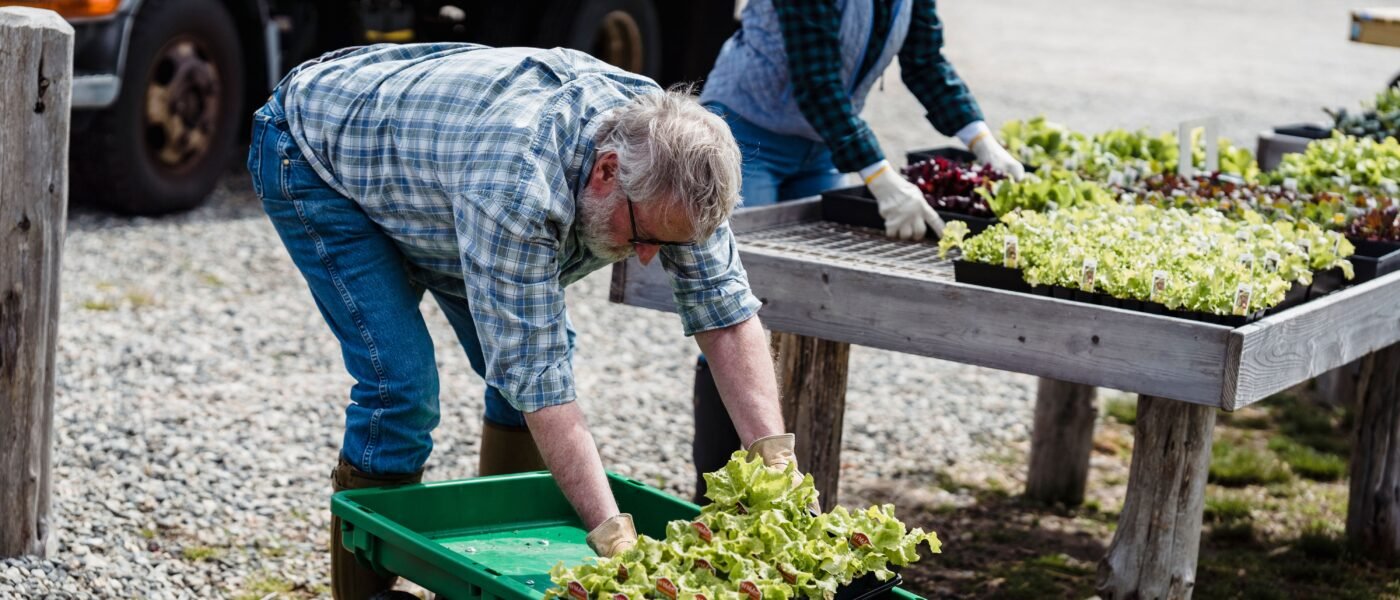
If your knees are telling you that kneeling in the garden is no longer an option, you are not alone. I remember the exact morning I realized I had to redesign my entire approach to growing lettuce, or hang up my trowel for good. After 15 years of running a nursery from 1980 to 1995 and managing my own arthritis for the last two decades, I learned that a successful salad garden setup for senior gardeners isn’t about working harder—it’s about working smarter. This guide is born from my own painful trial and error, and it will show you exactly how to keep harvesting crisp, fresh greens without sacrificing your joints.
Let me be clear from the start: a well-designed salad garden setup for senior gardeners can be the difference between a hobby you cherish and one that leaves you sore for days. The goal is not to eliminate gardening—it’s to adapt it. I have tested raised beds, ergonomic tools, and strategic plant layouts that reduce bending, minimize kneeling, and cut watering time in half. Here is the system that worked for me.
Why a Dedicated Salad Garden Setup for Senior Gardeners Works
Salad greens are the ideal crop for seniors because they grow quickly, require little space, and can be harvested repeatedly. But the standard method—bending over a ground-level bed, weeding on hands and knees, and wrestling with heavy watering cans—is a recipe for joint pain. My turning point came the day I tried to pull a stubborn weed from a low bed and my hip seized up for three days. That was the afternoon I swore off ground-level gardening for good.
A dedicated salad garden setup for senior gardeners puts the plants at a comfortable height. When your greens are waist-level or even chest-level, you eliminate the single biggest source of strain: bending. This is not a luxury—it is a necessity. I have seen too many fellow seniors quit gardening entirely because they thought pain was inevitable. It is not. The right setup changes everything.
The Core Components of a Salad Garden Setup for Senior Gardeners
Based on my experience managing arthritis while running a busy nursery, here are the five essential elements that make a salad garden both productive and pain-free.
1. Elevated Raised Beds at the Perfect Height
Standard raised beds are often 12 to 18 inches tall, which still requires significant bending. I recommend beds that are at least 24 to 30 inches tall. This height allows you to stand upright or sit on a stool while planting, weeding, and harvesting. I built mine from untreated cedar, which resists rot and is lightweight enough to move if needed. For a salad garden setup for senior gardeners, the bed should be narrow enough (no more than 4 feet wide) that you can reach the center from either side without stretching.
Pro tip: If building is not an option, look for commercial “accessible” garden beds. They are worth the investment because they will last for years and save your back every single season.
2. Ergonomic Tools That Match Your Grip
Standard tools with thin handles are terrible for arthritic hands. I learned this the hard way after a season of using a cheap trowel that left my fingers cramped. For a salad garden setup for senior gardeners, invest in tools with padded, ergonomic grips and long handles. A long-handled cultivator lets you loosen soil without bending. A wide-grip trowel reduces hand strain. My personal favorite is a “stirrup hoe” that cuts weeds just below the surface while I stand upright.
Must-have list for your tool shed:
- Long-handled, lightweight watering wand with a shut-off valve
- Ergonomic pruning shears (I recommend ratchet-style for extra leverage)
- Kneeling pad or garden stool with handles (for the rare times you do need to go low)
- Hori-hori knife with a padded handle for planting and weeding
3. Drip Irrigation: The Pain-Free Watering System
Watering a salad garden by hand is heavy work. Carrying a full watering can or dragging a hose is hard on shoulders, wrists, and knees. The best upgrade I ever made was installing a simple drip irrigation system on a timer. For a salad garden setup for senior gardeners, this is non-negotiable. Drip lines deliver water directly to the roots, reducing waste and eliminating the need to lift. I set my timer to water early in the morning, and I never have to think about it again.
Setup tip: Use a Y-connector at the spigot so you can keep a short hose for occasional hand watering without disconnecting the drip system.
4. The Right Salad Greens: Low-Maintenance Varieties
Not all salad greens are equally suited to a senior-friendly garden. Choose varieties that are “cut-and-come-again,” meaning you harvest the outer leaves and the plant keeps producing. This reduces the need to replant frequently. My top picks for a salad garden setup for senior gardeners include:
- Loose-leaf lettuce (like ‘Red Sails’ or ‘Black-Seeded Simpson’)
- Spinach (I prefer ‘Bloomsdale’ for its slow-bolting habit)
- Arugula (spicy and fast-growing)
- Mesclun mixes (variety in one planting)
- Kale (cold-hardy and nutrient-dense, ‘Dwarf Blue Curled’ is compact)
5. Strategic Placement for Comfort and Safety
Position your salad garden close to your house, ideally near a water source and on a level, paved or mulched path. I made the mistake of placing my first raised bed at the far end of my yard, and the walk there and back with tools was exhausting. A salad garden setup for senior gardeners should be within 20 feet of your back door. This reduces carrying distance and makes it easy to pop out for a quick harvest even on days when your energy is low.
Step-by-Step: Building Your Salad Garden Setup for Senior Gardeners
Here is the exact process I follow each spring. It takes about a weekend to set up, and then the maintenance is minimal.
Step 1: Choose Your Location
Find a spot that gets at least 6 hours of direct sunlight daily. Avoid low spots where water pools after rain. If you have mobility issues, a south-facing spot near a window or patio is ideal.
Step 2: Assemble Your Elevated Bed
If you are building from scratch, use cedar or composite lumber. Cut the sides to 24 to 30 inches high. Line the bottom with landscape fabric to prevent weeds, then fill with a lightweight potting mix designed for raised beds. I add a slow-release organic fertilizer at planting time.
Step 3: Install Drip Irrigation
Run a 1/2-inch mainline from your spigot to the bed. Use 1/4-inch drip tubing with emitters spaced every 12 inches for leafy greens. Connect to a timer. Test the system before planting.
Step 4: Plant Your Greens
Sow seeds directly in the bed, or start with transplants for faster results. For cut-and-come-again harvests, plant seeds in rows about 2 inches apart. Water gently with a hose attachment until the drip system takes over.
Step 5: Maintain with Ease
Weed weekly using a long-handled hoe. Fertilize every 3 weeks with a liquid seaweed solution. Harvest outer leaves when they are 4 to 6 inches tall. The plants will keep producing for 6 to 8 weeks.
Common Mistakes Senior Gardeners Make (And How to Avoid Them)
I have made almost every mistake possible in 15 years of nursery work and 20 years of gardening with arthritis. Here are the most common pitfalls with a salad garden setup for senior gardeners:
- Overwatering: Salad greens need consistent moisture, but soggy soil causes root rot. Use a moisture meter or simply check with your finger. For a related resource, see our Related Gardening Guide on watering techniques.
- Planting too deep: Lettuce seeds need light to germinate. Sprinkle them on the surface and only barely cover with soil.
- Ignoring soil health: Compacted soil makes weeding harder. Add compost each season to keep the soil loose and fertile.
- Forgetting to harvest regularly: If you let greens get too large, they become bitter and tough. Harvest often to encourage tender new growth.
The Health Benefits Beyond the Garden
This is not just about convenience. A well-designed salad garden setup for senior gardeners supports physical and mental health in measurable ways. According to the Arthritis Foundation, ergonomic gardening reduces joint stress and helps maintain mobility. Growing your own greens also provides a steady supply of vitamins A, C, and K, which support immune function and bone health. The gentle exercise of weeding, watering, and harvesting improves flexibility and balance. Plus, there is something deeply satisfying about eating a salad you grew yourself—it makes every meal feel like an accomplishment.
Make This Season Your Best One Yet
I will never forget the day I harvested my first bowl of lettuce from an elevated bed without any pain. It was a small victory, but it meant everything. A salad garden setup for senior gardeners is not a compromise—it is an upgrade. It allows you to continue doing what you love without paying a physical price. Start small, focus on comfort, and remember that the goal is joy, not perfection. Your knees will thank you, and so will your dinner plate.
If you are ready to build your own, start with the location and the bed height. Everything else will fall into place. And if you have questions or want to share your own tips, I would love to hear from you. After all, we are all in this garden together.
Leave a Reply