Gardening After Knee Replacement: The Tools That Make It Possible
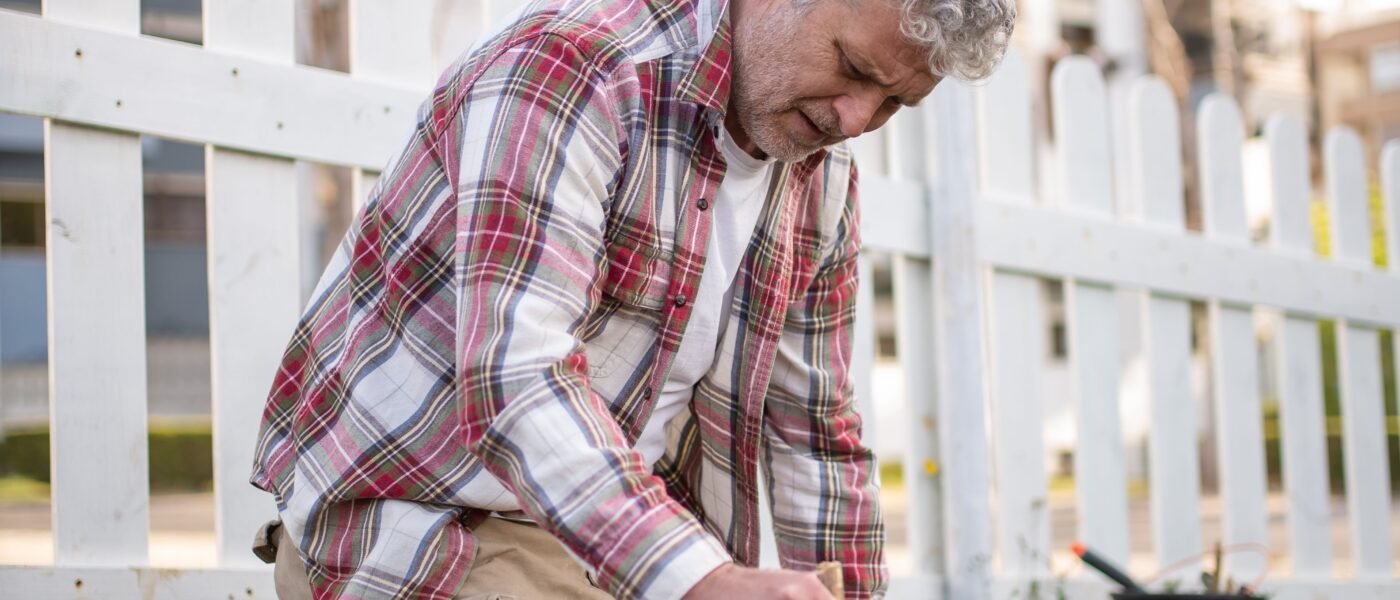
If your knees are telling you that kneeling in the garden is no longer an option, you are not alone. I know that desperate feeling well—the frustration of wanting to nurture your plants but feeling trapped by your own body. After spending 15 years running a nursery from 1980 to 1995, and then managing my own arthritis and a knee replacement, I learned that the garden doesn’t have to end when your mobility changes. You just need the right tools to make gardening after knee replacement not only possible but genuinely enjoyable again.
When I had my knee replaced five years ago, I thought my days of digging, raking, and planting were over. I remember sitting on my back porch, watching weeds take over my flower beds, and feeling a deep sadness. But I was wrong. The tools I discovered—and the techniques I developed—transformed my garden into a space of healing rather than frustration. Today, I want to share specifically how leaf blowers, composters, and bulb planters can be your best allies in gardening after knee replacement.
Why Gardening After Knee Replacement Requires a Tool Strategy
After knee replacement surgery, the last thing you want to do is put excessive strain on your new joint. Bending, kneeling, and repetitive squatting are all high-risk movements that can delay healing or cause complications. But here’s the truth: you don’t have to give up gardening. You just have to garden smarter. The key is selecting tools that reduce the need for bending and kneeling while keeping you upright, stable, and comfortable.
I learned this the hard way. In my first spring after surgery, I tried to use my old garden rake. Within ten minutes, I was in pain and frustrated. That’s when I committed to building a tool arsenal designed for post-replacement gardening. Below are the three tools I consider non-negotiable.
1. Leaf Blowers: Your Post-Surgery Best Friend for Yard Cleanup
Most people think leaf blowers are just for blowing leaves. After knee replacement, I discovered they are so much more. A quality leaf blower eliminates the need to bend over and sweep or rake debris from hard surfaces. Instead of straining your knees to gather leaves from patios, driveways, or between plants, you simply walk upright and blow everything into a pile.
- Reduced bending: No more bending to pick up individual leaves or debris. A leaf blower keeps you standing tall.
- Less weight-bearing: You are not leaning on your knees while sweeping or raking. The blower does the work.
- Versatile use: Use it to clear grass clippings, dust from garden paths, or even dry off wet patio furniture—all without stressing your joint.
I recommend a cordless electric model with a variable speed trigger. The weight is manageable (around 6-8 pounds), and you can pause without dragging a cord. I personally use a lightweight model that I can operate with one hand while using a cane or walker in the other. For gardening after knee replacement, this tool is a game-changer.
2. Composters: Turn Kitchen Waste into Garden Gold Without Kneeling
Composting is one of the most rewarding parts of gardening, but traditional open piles require frequent turning and bending. After knee replacement, that’s a recipe for disaster. Instead, invest in a tumbling composter or a stationary composter with a hatch at the bottom. These designs let you manage compost without ever getting on your knees.
- Tumbling composters: You rotate the drum with a crank while standing. No bending, no lifting heavy piles.
- Stationary composters with bottom access: Remove finished compost from a lower door while standing or using a stool. No digging required.
- Worm bins: If you want to compost indoors or on a small scale, a worm bin sits at waist height. No kneeling involved.
I switched to a tumbling composter after my surgery, and it was a revelation. I could add kitchen scraps and yard waste while standing comfortably. The turning mechanism is gentle enough for my hands and shoulders. Composting keeps your garden soil rich without forcing you to compromise your recovery. For anyone serious about gardening after knee replacement, this tool is essential.
3. Bulb Planters: Plant Hundreds of Bulbs Without Bending
Planting bulbs used to mean hours on my knees, digging holes one by one. After knee replacement, that was simply impossible. Then I discovered long-handled bulb planters. These tools have a cylindrical head that cuts into the soil, removing a plug. You simply step on the foot plate (if it has one) or press down while standing. No bending, no kneeling.
- Long-handled models: These are typically 36-48 inches long. You can plant bulbs while standing upright.
- Ratchet-style planters: Some models have a ratcheting mechanism that makes digging easier on your hands and arms.
- Bulb augers for drills: Attach a bulb auger to a power drill. You drill a hole while standing, drop in the bulb, and move on. Fast and efficient.
I now use a long-handled ratchet planter for tulips and daffodils. I can plant 100 bulbs in less than 30 minutes, all while standing. It is one of the most satisfying tools in my shed. Gardening after knee replacement doesn’t mean you have to give up spring blooms—it means you use smarter tools to get them in the ground.
Additional Tools That Support Gardening After Knee Replacement
While leaf blowers, composters, and bulb planters are my top three, there are other tools that complement them beautifully. Here are a few more I rely on:
- Kneeling stools with handles: If you must kneel briefly, a stool with handles lets you lower and raise yourself without straining your knees.
- Long-handled pruners and weeding tools: These keep you upright while cutting branches or pulling weeds. No bending needed.
- Ergonomic trowels with padded handles: For small planting tasks, a trowel with a comfortable grip reduces hand fatigue.
- Garden carts or trolleys: Move soil, mulch, or pots without carrying heavy loads. Push or pull while walking upright.
Remember, the goal is to minimize any movement that puts stress on your knee replacement. Always consult your surgeon or physical therapist before starting any gardening activity, and listen to your body. If it hurts, stop.
How to Start Gardening After Knee Replacement: A Step-by-Step Plan
If you are eager to return to the garden but unsure where to begin, here is a safe, gradual plan I recommend:
- Start with light tasks: Begin with watering or deadheading using a long-handled tool. Do this for 10-15 minutes and rest.
- Introduce one new tool at a time: Try your leaf blower or bulb planter for a short session. See how your knee responds.
- Use assistive devices: A garden stool, walker with wheels, or even a simple cane can provide stability while you work.
- Plan your garden for accessibility: Raised beds, vertical planters, and container gardens reduce the need to bend or kneel.
- Take breaks and hydrate: After knee replacement, your body needs time to adjust. Don’t push through pain.
For more tips on adapting your garden space, check out our Related Gardening Guide on creating accessible flower beds.
The Long-Term Benefits of Smart Tool Use After Knee Replacement
Gardening is more than a hobby—it is therapy for the mind and body. After knee replacement, staying active in the garden can improve your range of motion, strengthen surrounding muscles, and boost your mood. The tools I’ve described are not shortcuts; they are bridges that allow you to continue doing what you love without risking your recovery.
I have seen too many gardeners give up after surgery because they thought they had to choose between their health and their garden. That is a false choice. With the right tools, gardening after knee replacement can be a source of joy, not pain. The leaf blower keeps you upright. The composter eliminates bending. The bulb planter lets you plant with pride, not pain.
Start small, be patient with yourself, and invest in quality tools. Your garden will thank you, and so will your knees.
For more information on managing recovery after joint replacement, visit the Arthritis Foundation’s guide to knee replacement recovery.
Frequently Asked Questions About Gardening After Knee Replacement
Can I kneel in the garden after knee replacement?
Most surgeons advise against kneeling directly on the replaced knee for at least 6-12 months, and some patients never feel comfortable doing so. Use kneeling stools or long-handled tools instead.
How long should I wait before gardening after surgery?
Follow your surgeon’s specific timeline. Generally, light gardening like watering can start after 4-6 weeks, but heavy digging or raking often requires 3-6 months. Always get clearance first.
Are electric tools safer than manual ones after knee replacement?
Yes, typically. Electric tools reduce repetitive strain and the need for forceful movements. A cordless leaf blower or electric pruner puts less stress on your joints than manual alternatives.
What is the best type of garden stool for knee replacement patients?
Look for a stool with sturdy handles on each side, a padded seat, and rubber feet for stability. Avoid stools that are too low—aim for a height that allows your knees to remain at a 90-degree angle when seated.
Can I still do heavy mulching or soil work?
It is best to avoid heavy lifting and repetitive bending for the first year. Use a garden cart to move bags of mulch, and consider hiring help for major soil amendments. Your knee’s long-term health is worth the investment.
Leave a Reply