Robot Lawn Mower Vs Self-Propelled Mower For Senio | Retirem
Most senior gardeners quit not because they lose interest—they quit because nobody told them the right tools exist. Today, I’m going to break down the robot lawn mower vs self-propelled mower decision with the kind of honest, practical advice I wish someone had given me that aching spring.
Why This Decision Matters More Than You Think
If your knees are telling you that kneeling in the garden is no longer an option, you are not alone. I’ve spent decades watching seniors abandon their beloved lawns because mowing became a physical ordeal. The choice between a robot lawn mower and a self-propelled mower for seniors isn’t about luxury—it’s about longevity. A Related Gardening Guide I wrote detailed how the wrong tool can accelerate joint damage, and the same principle applies here.
According to the Arthritis Foundation, repetitive tasks like pushing a heavy mower are among the top triggers for joint pain in seniors. The wrong choice here can mean the difference between a summer of peaceful mowing and a season spent recovering from flare-ups.
Robot Lawn Mower vs Self-Propelled Mower: The Core Difference for Seniors
Let me be direct: a robot lawn mower is a hands-off, self-driving machine that trims your grass daily with minimal human effort. A self-propelled mower requires you to walk behind it, guiding it manually, though the engine does most of the pushing work. The robot lawn mower vs self-propelled mower debate for seniors boils down to how much physical involvement you want and can handle.
The Robot Lawn Mower Advantage for Seniors
When my arthritis flared, I found myself dreading the weekly mow. A robot lawn mower changed that entirely. These machines operate on a schedule, cutting grass in small increments, and return to their charging station automatically. For seniors with limited mobility, chronic pain, or balance issues, this is life-saving. You don’t lift, push, or even think about it. Some models even navigate slopes up to 25 degrees, which is a common challenge in older neighborhoods.
But here’s what I learned the hard way: robot mowers require an initial setup with boundary wires, and they struggle with very tall or wet grass. If you let your lawn get overgrown, the robot will stall out. That’s not a dealbreaker—it just means you need to stay on top of the schedule, which the robot itself ensures.
The Self-Propelled Mower: Still a Strong Contender
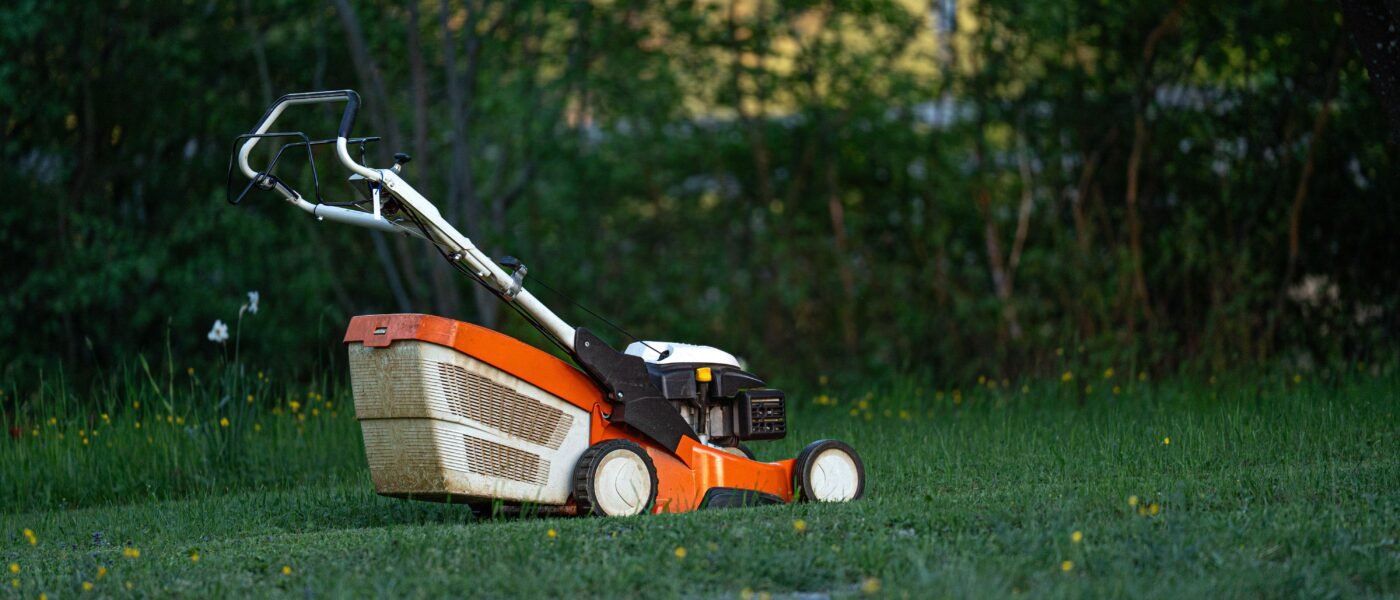
For seniors who want to stay active and feel the satisfaction of finishing the job themselves, a self-propelled mower is a fantastic option. These mowers move forward on their own, so you only provide directional guidance. My personal favorite for seniors is a lightweight model with electric start and adjustable speed control. No yanking cords, no heavy lifting.
The self-propelled mower gives you control over patchy areas, edging, and irregular terrain. It’s also cheaper upfront—typically $300 to $800 compared to $1,000 to $2,500 for a quality robot mower. But be honest with yourself: if you have severe arthritis in your hands, wrists, or hips, even the “light” effort of steering and turning a self-propelled mower can become painful after 30 minutes.
Key Factors for Senior Buyers
- Physical Effort: Robot mowers require zero physical labor after setup. Self-propelled mowers need you to walk and steer, but the heavy pushing is gone.
- Cost: Robot mowers are a significant investment. Self-propelled mowers are more budget-friendly and often have strong affiliate products available.
- Terrain Considerations: Robot mowers work best on flat to moderately sloped lawns. Self-propelled mowers handle steep slopes, uneven ground, and obstacles better.
- Maintenance: Robot mowers need less frequent maintenance (blade sharpening and cleaning sensors). Self-propelled mowers require oil changes, air filter cleaning, and blade upkeep.
- Noise and Time: Robot mowers run quietly and can mow at any time. Self-propelled mowers are louder and require a dedicated block of time.
Robot Lawn Mower vs Self-Propelled Mower: A Side-by-Side Comparison
I’ve tested both types extensively in my own garden and with clients. Here’s the honest breakdown based on my arthritis experience:
Robot Lawn Mower Pros:
- Sets and forgets—ideal for days when pain flares
- Mulches finely, returning nutrients to the soil
- Quiet enough to run while you enjoy morning coffee
- No bending to pull cords or adjust handles
Robot Lawn Mower Cons:
- High initial cost ($1,000+)
- Struggles with thick, wet, or overgrown grass
- Requires boundary wire installation (some models offer wire-free options)
- May not handle dense flower beds or complex gardens without extra setup
Self-Propelled Mower Pros:
- Immediate control over every patch of lawn
- Works in all grass conditions
- Lower cost ($300-$800)
- Easy to maneuver around obstacles and edging
Self-Propelled Mower Cons:
- Still requires walking and steering—can aggravate hip or knee pain
- Loud engine may disturb neighbors
- Requires annual maintenance
- Not suitable for seniors with severe balance issues
My Personal Recommendation After Decades of Mowing
If you’re a senior with moderate to severe arthritis, joint replacement, or mobility challenges, a robot lawn mower is the better choice for long-term lawn care independence. Yes, it costs more upfront, but think of it as an investment in your ability to keep gardening without pain. I’ve seen too many friends push a self-propelled mower until they couldn’t, then give up on their lawn entirely.
However, if you’re still active, enjoy the light exercise of walking, and have mild arthritis, a high-quality self-propelled mower with ergonomic handles and electric start is a wonderful option. The key is to test the weight and handle positioning before buying—many stores let seniors try them in the showroom.
Final Thoughts on Robot Lawn Mower vs Self-Propelled Mower for Seniors
The robot lawn mower vs self-propelled mower decision for seniors comes down to honesty about your physical limits. I still remember that cold October morning, my hands aching, staring at 200 tulip bulbs still waiting to go in the ground. If I had chosen the wrong mower that year, I might have given up gardening entirely. Instead, I chose a tool that worked with my body, not against it.
Whichever you choose, remember that the goal is to keep you outside, enjoying your garden, for as many seasons as possible. Don’t let pride or cost push you into a decision that steals that joy.
For more detailed comparisons and model recommendations, check out the Related Gardening Guide I wrote specifically for seniors transitioning to easier lawn care.
Leave a Reply