Container Gardening for Seniors (Retirees) : The Ultimate Beginner’s Guide
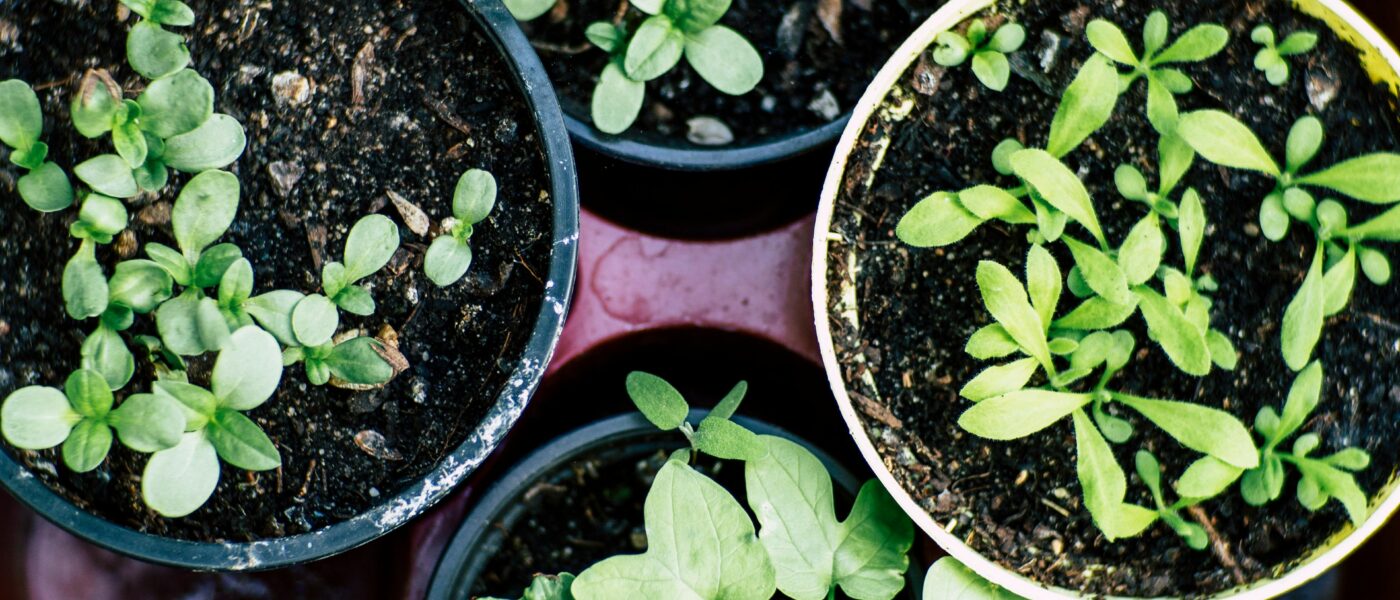
Container gardening allows you to control every aspect of your growing environment. You decide the height of the pots, the width of the paths between them, and the types of plants that require minimal maintenance. For retirees, this means you can enjoy the therapeutic benefits of gardening without the back-breaking labor of traditional in-ground plots.
Designing Your Accessible Container Garden
Wide Paths for Easy Navigation
One of the biggest mistakes I see new container gardeners make is cramming pots too close together. When I transitioned to ergonomic gardening, I learned that paths should be at least 36 inches wide—enough to accommodate a walker or wheelchair if needed. This also allows you to kneel or sit on a rolling stool while tending your plants.
- Minimum path width: 36 inches for comfortable access
- Ideal path surface: Smooth concrete, pavers, or compacted gravel to prevent tripping
- Avoid: Stepping stones with gaps that can catch cane tips or walker wheels
Creating Accessible Growing Zones
Divide your container garden into three zones based on reach. This is a technique I developed in the early 1990s when my hands first started hurting. Zone 1 is within arm’s reach (0-18 inches from your seated position). Zone 2 requires a slight stretch (18-36 inches). Zone 3 is for plants you rarely need to touch, like tall ornamental grasses or climbing vines.
- Zone 1: Small pots for herbs, lettuce, and strawberries on waist-height tables
- Zone 2: Medium containers for tomatoes, peppers, and flowers on low stands
- Zone 3: Large pots for dwarf trees or tall perennials that need minimal care
Choosing the Right Containers
Lightweight Materials That Save Your Back
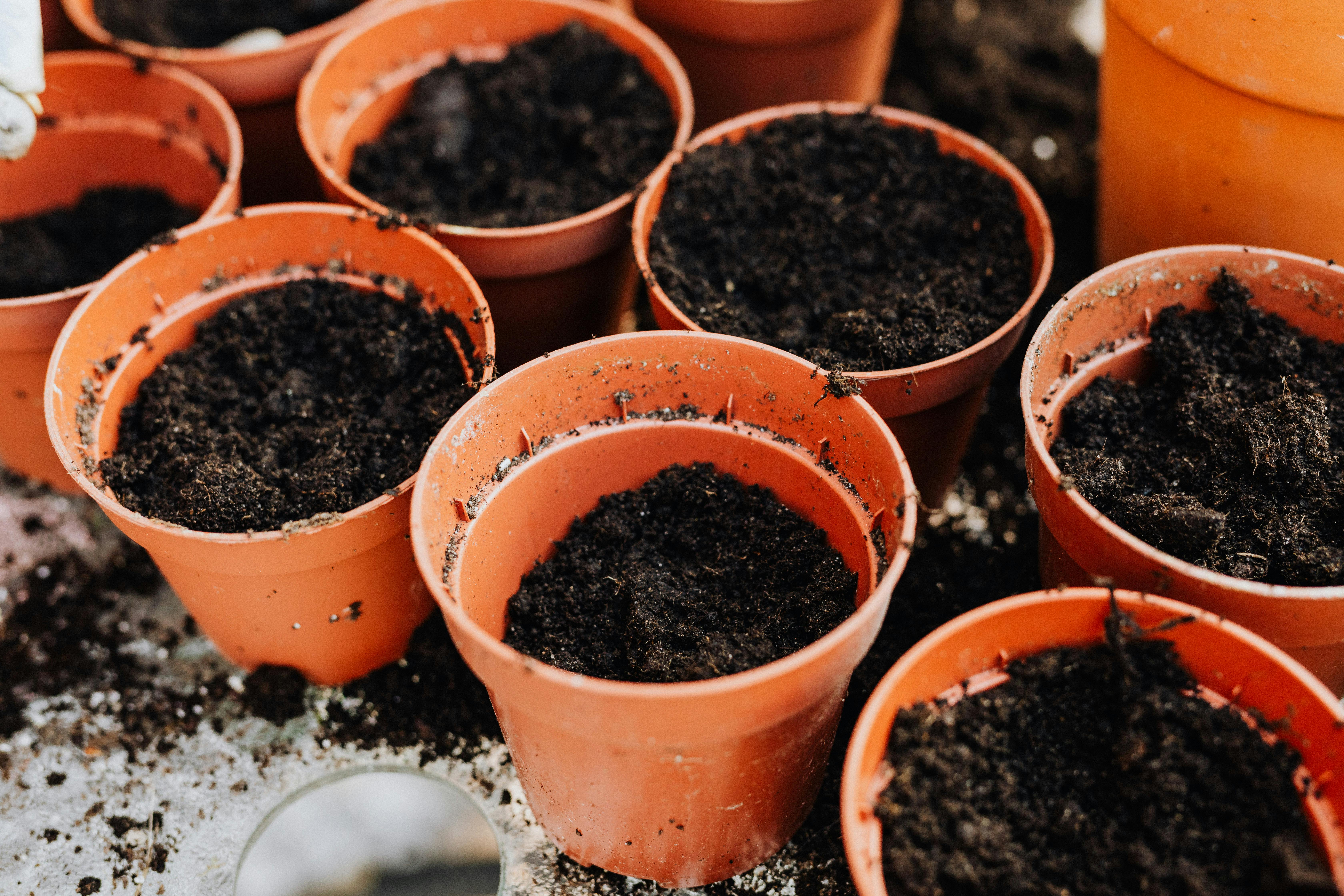
Forget heavy terracotta or concrete. Modern lightweight containers are game-changers for seniors. I recommend fiberglass, resin, or fabric grow bags. A 20-inch resin pot weighs about 5 pounds empty, compared to 40 pounds for terracotta. Even when filled with moist soil, you can slide them on a dolly or wheeled plant caddy.
- Best lightweight options: Fiberglass, resin, UV-stabilized plastic, fabric grow bags
- Avoid: Unglazed terracotta (heavy, porous, dries out quickly)
- Pro tip: Use rolling plant caddies for any container over 12 inches in diameter
Self-Watering Containers for Low Maintenance
Self-watering pots were a revelation for me. They have a built-in reservoir that provides consistent moisture for days, sometimes weeks. This reduces the frequency of watering—perfect for when arthritis flares up or when you want to travel. Look for containers with a water-level indicator so you know when to refill.
- Best for: Tomatoes, peppers, cucumbers, and flowering annuals
- Maintenance tip: Clean the reservoir every 3 months to prevent algae
- Caution: Avoid overfilling; most plants need the reservoir to dry out slightly between refills
Low-Maintenance Planting Strategies
Selecting the Right Plants
When I was managing the nursery, I watched retirees struggle with high-maintenance plants. Now I advise sticking with proven performers that thrive with minimal fuss. For sun-loving spots, try dwarf sunflowers, zinnias, or marigolds. For shade, impatiens, begonias, and coleus are forgiving and colorful.
- Sun-loving (6+ hours): Dwarf sunflowers, zinnias, marigolds, cherry tomatoes, basil, peppers
- Partial shade (3-6 hours): Impatiens, begonias, coleus, lettuce, chives, mint
- Shade (less than 3 hours): Ferns, hostas, heucheras, impatiens, parsley
Using Slow-Release Fertilizer
Mixing slow-release fertilizer into your potting soil at planting time eliminates the need for frequent liquid feeding. I use a balanced 14-14-14 formula that feeds for 3-4 months. This is especially helpful for retirees who may forget or struggle with mixing liquid fertilizers.
- Application: Mix granules into the top 2-3 inches of soil at planting
- Reapply: After 3 months for long-season crops like tomatoes
- Note: Always follow package rates; more is not better with slow-release

Ergonomic Tools That Make Gardening Easier
Long-Handled Tools
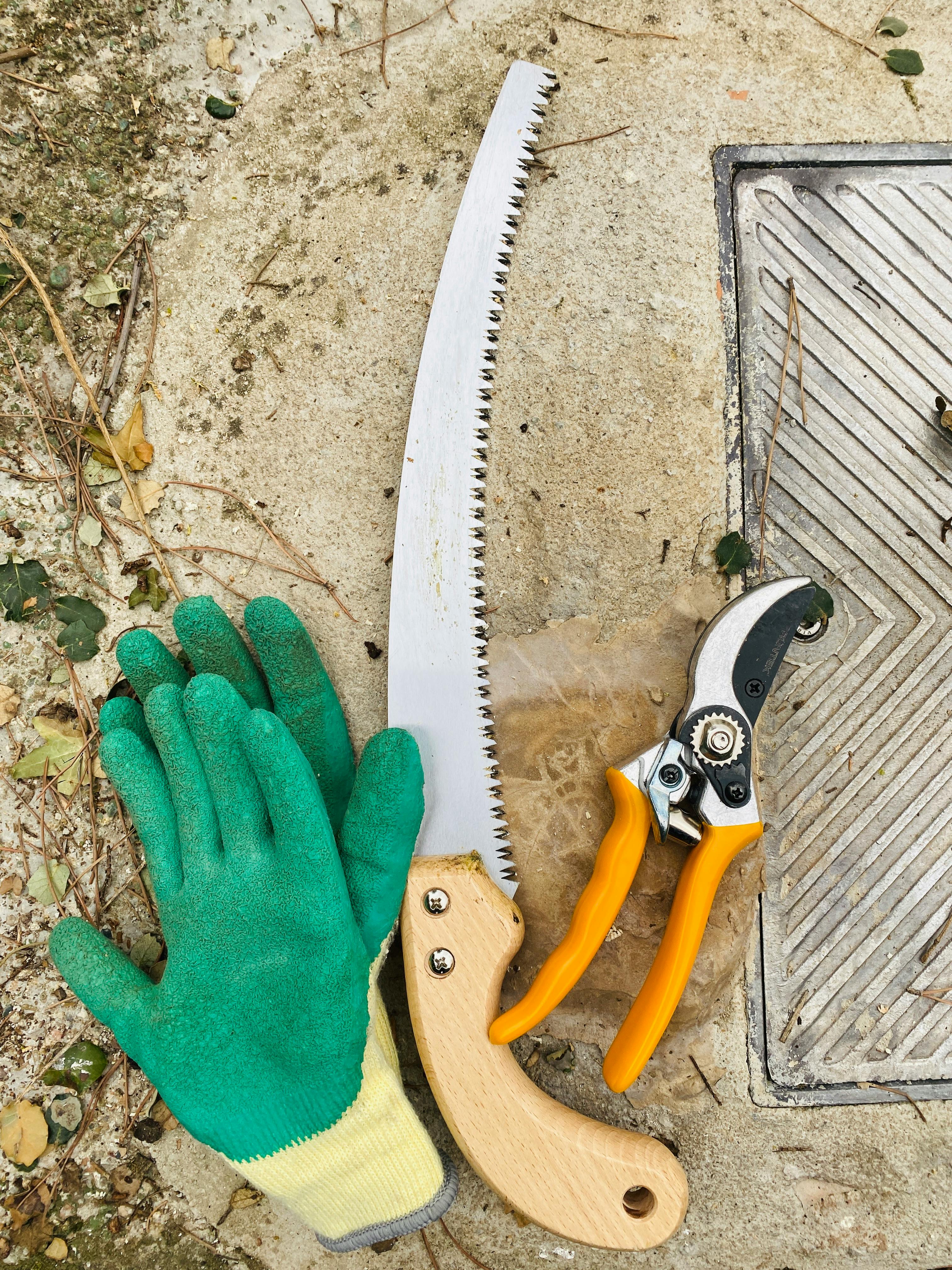
Investing in ergonomic tools was the best decision I made for my arthritis. Look for tools with padded, non-slip handles that fit comfortably in your grip. Long-handled trowels, cultivators, and watering wands let you work from a standing or seated position without bending.
- Must-haves: Long-handled trowel, long-handled cultivator, watering wand with trigger grip
- Handle features: Foam or rubber grips, angled handles to reduce wrist strain
- Where to find: Garden centers with senior-focused sections, online ergonomic tool retailers
Rolling Stools and Kneeling Pads
A rolling garden stool is worth its weight in gold. It lets you glide between containers without standing up repeatedly. For ground-level pots, a thick kneeling pad with handles helps you get up and down safely. I keep both in my garden shed and use whichever suits my energy level that day.
- Rolling stool: Look for one with large, all-terrain wheels and adjustable height
- Kneeling pad: Choose one with foam padding and handles for support
- Alternative: A sturdy garden bench with wheels serves as both seat and storage
Watering Wisely Without Strain
Drip Irrigation Systems
Installing a simple drip irrigation system with a timer is the ultimate labor-saving device for container gardeners. You can water dozens of pots with a single turn of a faucet. I set mine to water early in the morning, so I don’t have to think about it. This also reduces the risk of overwatering, which is common with hand watering.
- Basic setup: Faucet timer, main hose, drip tubing, emitters for each pot
- Cost: $50-100 for a small system covering 10-15 containers
- Winter care: Disconnect and drain before first frost to prevent freeze damage
Rain Barrels for Easy Watering
Connecting a rain barrel to your downspout provides free, soft water that plants love. Place the barrel on a sturdy stand so you can fill a watering can without bending. I use a 50-gallon barrel with a spigot at waist height—perfect for filling my watering can without back strain.
- Placement: On a cinder block or wooden stand at least 24 inches high
- Maintenance: Use a fine mesh screen to keep out mosquitoes and debris
- Tip: Add a second barrel linked to the first for extra capacity
Seasonal Care for Your Container Garden
Spring Setup
Start with fresh potting soil each year to prevent disease and ensure good drainage. I mix in a handful of slow-release fertilizer and a scoop of perlite for aeration. If you reuse containers, wash them with a 10% bleach solution to kill any lingering pathogens.
- Soil choice: Use a high-quality potting mix, not garden soil
- Container prep: Clean with bleach solution, rinse thoroughly
- Planting depth: Same as the nursery pot; avoid burying stems
Summer Maintenance
During hot months, check containers daily for water needs. Self-watering pots help, but even they need refilling during heat waves. Deadhead flowers weekly to encourage continuous blooms. I do this while sitting on my rolling stool, making it a pleasant 15-minute routine.
- Watering: Early morning or late evening to reduce evaporation
- Deadheading: Remove spent flowers weekly for more blooms
- Pest check: Look under leaves for aphids or spider mites; use insecticidal soap if needed
Fall and Winter
As temperatures drop, move tender perennials indoors or into a cold frame. Clean and store containers upside down to prevent cracking. For winter interest, plant cold-hardy evergreens like dwarf Alberta spruce or winterberry holly in decorative pots.
- Frost protection: Move pots to a sheltered spot or wrap with bubble wrap
- Storage: Empty and clean containers, store in a dry place
- Winter plants: Dwarf conifers, ornamental kale, pansies for mild climates
Common Mistakes Retirees Make (And How to Avoid Them)
Overwatering
The number one mistake I see is loving plants too much with water. Container plants need oxygen around their roots. Stick your finger an inch into the soil; if it feels damp, wait a day. Self-watering pots help prevent this, but even they can be overfilled.
- Test method: Finger test or moisture meter
- Signs of overwatering: Yellow leaves, wilting, mold on soil surface
- Fix: Allow soil to dry out, improve drainage with perlite
Choosing Pots That Are Too Small
Small pots dry out quickly and restrict root growth. For tomatoes, peppers, or cucumbers, use at least a 5-gallon container. Herbs and lettuce can thrive in 1-2 gallon pots. Remember: bigger pots mean less frequent watering and happier plants.
- Minimum sizes: 5 gallons for vegetables, 2 gallons for herbs, 1 gallon for annuals
- Pro tip: Fabric grow bags are lightweight and promote air pruning of roots
- Avoid: Pots less than 6 inches deep for any plant
Building Community Through Container Gardening
One unexpected joy of container gardening as a retiree is the social connection it fosters. I started a small container gardening club at our local senior center. We share cuttings, swap tips, and even host a monthly “pot party” where we repot plants together. It’s a wonderful way to stay active and engaged.
- Start a club: Ask your community center or library about hosting a container gardening group
- Share plants: Propagate cuttings to give to friends and neighbors
- Volunteer: Many nursing homes and schools welcome container garden donations
When I look back at my nursery years, I remember the joy of helping retirees discover that gardening doesn’t have to end with age—it just evolves. Container gardening for seniors is about working smarter, not harder. It’s about finding joy in the small victories: a ripe cherry tomato picked from a waist-high pot, a blooming petunia that brings a smile, the simple pleasure of nurturing life.
Start small. Choose one or two containers this season. Place them where you’ll see them every day—on your patio, balcony, or even a sunny windowsill. Let your garden grow with you, adapting as your needs change. After all, the best garden is the one that brings you peace, purpose, and a little bit of dirt under your fingernails.
Leave a Reply