The New Retiree’s Gardening Starter Kit: What to Buy First
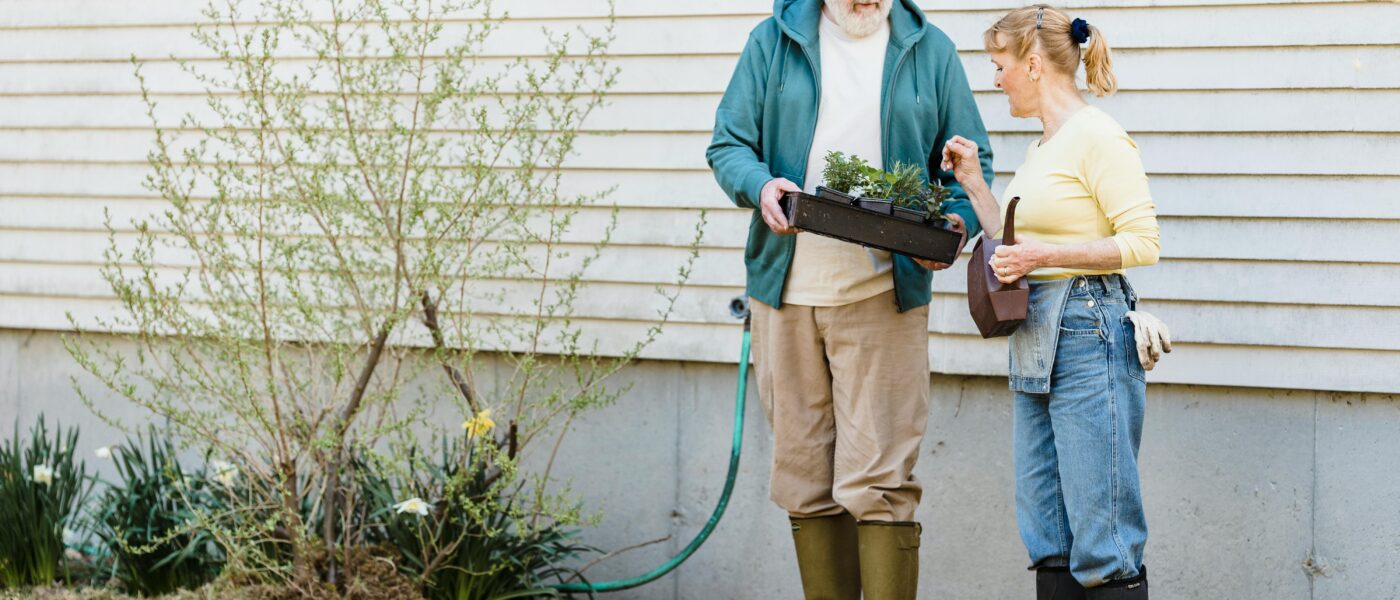
After 15 years running a bustling nursery from 1980 to 1995, I learned a hard truth: the body doesn’t always cooperate with the heart. When arthritis crept into my hands and knees, I thought my gardening days were over. But I was wrong. What I discovered—through trial, error, and a lot of bruised tomatoes—is that gardening can be adapted. Now, as a retiree myself, I’ve spent the last decade perfecting ergonomic techniques. This starter kit is what I wish someone had handed me on day one of my retirement garden.
Why Your First Purchase Should Be a Garden Seat or Stool
Standing for hours is the enemy of arthritis. The single most important tool for a new retiree gardener is a comfortable, stable seat. Forget the flimsy plastic chairs. You need a purpose-built garden seat that puts you at the right height for weeding, planting, and harvesting.
The Best Options for Seated Gardening
- A rolling garden seat: Look for a padded, low-profile stool with large, swiveling wheels. This lets you glide down rows without standing. My personal favorite has a built-in tool pouch. It saves my knees and my back.
- A sturdy, adjustable kneeler: If you prefer kneeling, get a foam kneeler that flips over to become a low bench. This is perfect for close-up work like transplanting seedlings.
- A simple folding stool: For small beds or container gardening, a lightweight, foldable stool with a handle is invaluable. You can carry it with one hand and sit anywhere.
Ergonomic Hand Tools That Protect Your Joints
Standard hand tools are torture for arthritic hands. The thin handles, hard grips, and sharp edges cause pain. After my diagnosis, I tested dozens of tools. Here is what actually works.
Must-Have Ergonomic Hand Tools
- Ratchet-action pruners: These are a game-changer. Instead of squeezing hard, you squeeze gently, and the ratchet mechanism does the heavy work. They cut through thick branches with minimal hand strain.
- Long-handled trowel and cultivator: A tool with a 12- to 18-inch handle lets you work while standing or sitting without bending. Look for a cushioned, non-slip grip that fits your hand comfortably.
- Ergonomic weeder: A stand-up weeder with a foot pedal is brilliant. You step on the pedal, the prongs dig into the soil, and you pull the weed out without bending or gripping tightly.
- Foam pipe insulation: My secret trick. Wrap the handles of your existing tools with foam pipe insulation (cheap at any hardware store). It instantly softens the grip and widens the handle, reducing joint stress.
Raised Beds: The Foundation of Accessible Gardening
For retirees using walkers or wheelchairs, raised beds are non-negotiable. They bring the soil to you. But not all raised beds are created equal. You need the right height and width to avoid twisting or reaching.
Designing Raised Beds for Wheelchair and Walker Users
- Height: The ideal height is 24 to 30 inches. This allows a wheelchair user to roll right up and work comfortably. For walker users, a 24-inch height lets you stand or sit on a stool.
- Width: Keep beds no wider than 4 feet if accessible from both sides, or 2 feet if against a wall. This ensures you can reach the center without stretching.
- Material: Use untreated cedar or composite lumber. Avoid pressure-treated wood, which can leach chemicals into your vegetables. Line the bottom with landscape fabric to prevent weeds.
- Pathways: Leave at least 3 feet of space between beds for wheelchair or walker clearance. A firm, level path (like compacted gravel or paving stones) is essential for safety.
Watering Systems That Save Your Back
Dragging a hose is a surefire way to aggravate arthritis and back pain. The solution is a smart watering system designed for minimal effort.
Ergonomic Watering Tools
- Soaker hoses: Lay these along your raised beds. They deliver water directly to the roots without splashing or bending. Connect them to a timer, and you never have to think about watering again.
- Lightweight, kink-free hose: If you must hand-water, buy a lightweight, rubber hose that doesn’t kink. Pair it with a trigger nozzle that locks open, so you don’t have to grip it constantly.
- Wand-style watering nozzle: A long, curved wand lets you water hanging baskets and deep pots without lifting your arms above your head. The trigger is easy on the fingers.
- Rain barrel with a spigot: Place a rain barrel on a sturdy stand at waist height. You can fill a watering can without bending. The water is free and good for your plants.
Safety and Mobility: Walkers and Wheelchairs in the Garden
If you use a walker or wheelchair, the garden can feel treacherous. But with smart adaptations, it becomes a sanctuary. Here is my advice from years of working with disabled gardeners.
Adapting Your Mobility Device for Gardening
- Walker with a seat: Choose a walker that has a built-in seat and a storage pouch. You can walk, rest, and carry your tools—all in one device. Many models have large wheels for rough terrain.
- Wheelchair with all-terrain tires: Standard wheelchair tires sink into grass and soil. Invest in all-terrain or “mountain” tires. They roll smoothly over gravel and lawn, giving you access to every bed.
- Garden caddy for your walker: Attach a small, mesh basket or a tool caddy to the front of your walker. This keeps your pruners, seeds, and phone within easy reach.
- Non-slip mats: Place rubber or foam mats in high-traffic areas, like near the potting bench or water spigot. They prevent slipping and provide a stable surface for walkers.
Potting Bench: Your Command Center
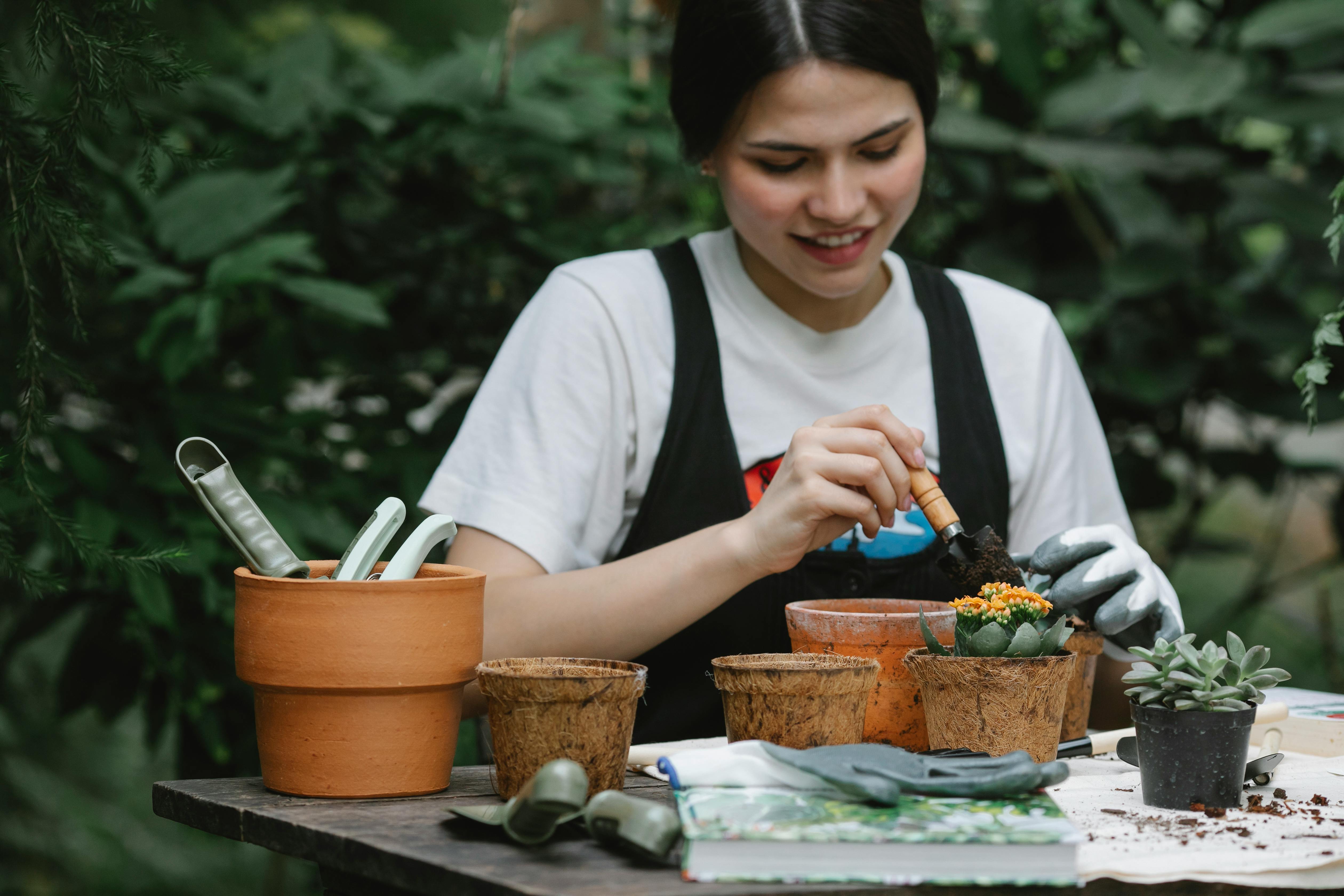
A proper potting bench is not a luxury—it is a necessity for ergonomic gardening. It saves your back by bringing the work to a comfortable height.
Features of an Ergonomic Potting Bench
- Counter height: The work surface should be at your waist or slightly below. For wheelchair users, aim for 28 to 30 inches. For standing, 36 inches is standard.
- Stool or chair: Place a tall stool or a rolling seat at the bench. You can sit while you mix soil, pot plants, or deadhead flowers.
- Storage: Look for a bench with shelves, hooks, and drawers. Keep your most-used tools within arm’s reach. Avoid deep cabinets that require bending.
- Lighting: If you garden in the evening, attach a clip-on LED light. Good lighting prevents eye strain and accidents.
Clothing and Accessories for Comfort
Gardening is a full-body activity. Dressing wisely can prevent pain and injury.
Essential Gear for the Retiree Gardener
- Knee pads: If you must kneel, use thick, gel-filled knee pads. They distribute pressure and protect your joints. Wear them even over pants.
- Gardening gloves with grip: Buy gloves that are padded in the palm and fingers. Look for a rubberized grip that reduces the force needed to hold tools. Avoid gloves that are too tight.
- Wide-brimmed hat and sunscreen: Skin cancer is a real risk for gardeners. A hat with a 4-inch brim protects your face and neck. Use a sunscreen that won’t wash off with sweat.
- Supportive shoes: Wear closed-toe shoes with good arch support and non-slip soles. Orthopedic gardening clogs are excellent. Never garden in sandals or flip-flops.
- Hydration pack: A small backpack with a water bladder lets you sip water without stopping. Dehydration worsens arthritis pain.
Starting Small: The First Three Plants to Buy
Don’t overwhelm yourself with a huge garden. Start with three easy, rewarding plants that will build your confidence.
Beginner-Friendly Plants for Retirees
- Tomatoes: Choose a determinate (bush) variety like ‘Patio Princess’ or ‘Tiny Tim.’ They grow in containers, don’t need staking, and produce fruit quickly. You can eat them right off the vine.
- Lavender: This fragrant herb thrives in poor soil and full sun. It attracts bees and butterflies, and you can dry it for sachets. It requires almost no maintenance.
- Swiss chard: This leafy green is beautiful, with colorful stems. It grows in partial shade and you can harvest leaves repeatedly. It’s a forgiving plant for beginners.
I’ve seen too many retirees give up gardening because they tried to do it the way they did at 30. That’s a mistake. Your body has changed, but your love for the soil hasn’t. The tools and techniques I’ve shared here are not about giving up—they are about adapting. Start with the garden seat and the ergonomic pruners. Build one raised bed. Plant three things. Water with a soaker hose. Sit down while you work. And if you feel pain, stop. The garden will wait for you.
Gardening in retirement is not a chore. It’s a privilege. It connects you to the earth, to the seasons, and to yourself. With the right starter kit, you can enjoy it for decades to come. I promise you that.
Leave a Reply