How to Make Weeding Easier for Senior Gardeners
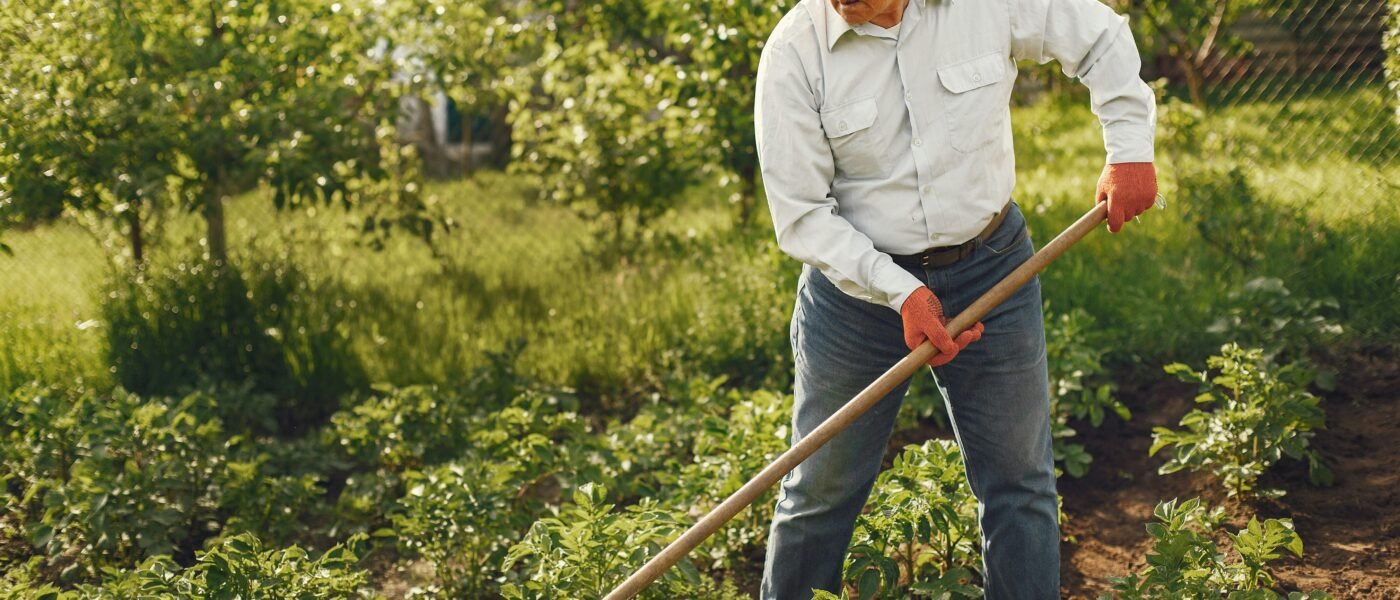
When people ask me how to make weeding easier for senior gardeners, I tell them the same thing I tell myself every morning: stop fighting the ground and start working smarter. Weeding is the single most repetitive, joint-straining task in any garden. It’s also the one most likely to drive seniors out of gardening entirely. I’ve seen it happen to friends, neighbors, and customers who loved their gardens but couldn’t manage the physical toll. But here’s the truth I discovered through my own arthritis journey: making weeding easier for senior gardeners isn’t about giving up—it’s about upgrading your approach with the right tools, techniques, and mindset.
Why Weeding Is So Hard on Senior Bodies
Let’s be honest: weeding is physically demanding at any age. But for seniors, it becomes a perfect storm of joint stress, muscle fatigue, and reduced flexibility. When you’re on your knees pulling weeds, you’re compressing your knee joints, straining your lower back, and forcing your hands into repetitive gripping motions. For someone with arthritis, this can trigger inflammation that lasts for days. Making weeding easier for senior gardeners requires understanding exactly where the pain comes from so you can target solutions.
- Knee and hip stress: Kneeling or squatting puts immense pressure on already-aching joints. The average senior gardener spends 20-30 minutes in a kneeling position during a weeding session, which can aggravate osteoarthritis.
- Hand and wrist strain: Pulling weeds requires gripping, twisting, and constant finger motion. For anyone with arthritis in their thumbs or wrists, this is a recipe for flare-ups.
- Lower back tension: Bending from the waist while weeding puts your spine in a vulnerable position. Seniors with degenerative disc disease or spinal stenosis know this pain intimately.
- Repetitive motion injuries: Weeding is the same motion repeated hundreds of times. Without proper tools, this can lead to tendinitis or bursitis.
I learned these lessons the hard way during my nursery years. I remember a customer, Margaret, who was 72 and had gardened since she was a girl. She came in one spring with tears in her eyes, saying she thought she had to give it up because her knees wouldn’t cooperate. I showed her a long-handled weeder and a padded kneeler, and she came back a month later beaming. That moment cemented my belief that making weeding easier for senior gardeners is not just about comfort—it’s about preserving a passion that keeps seniors active, connected to nature, and mentally sharp.
The Essential Tools for Making Weeding Easier for Senior Gardeners
After decades of trial and error, I’ve narrowed down the tools that genuinely transform the weeding experience for seniors. You don’t need a shed full of gadgets. You need the right four or five tools that address the specific physical challenges of weeding. Making weeding easier for senior gardeners starts with investing in tools that extend your reach, reduce joint strain, and minimize the need to bend or kneel.
1. Long-Handled Weeders: Your New Best Friend
The single most important tool for making weeding easier for senior gardeners is a long-handled weeder. These tools allow you to stand upright while pulling weeds, eliminating the need to kneel or bend. Look for a weeder with a ergonomic handle that fits your grip and a head designed to get under the root. My personal favorite is a stand-up weeder with a foot pedal that lets you lever the weed out without using your hands at all. It’s a game-changer for arthritic fingers.
When I first started using one, I thought it would be slower than hand-pulling. I was wrong. Within a week, I was covering twice the ground in half the time. The key is to use the tool correctly: insert the blade at a 45-degree angle next to the weed, push it into the soil, and then lever the handle backward to pop the root out. You’ll be amazed at how deep those taproots come out. Making weeding easier for senior gardeners means letting the tool do the work your joints used to do.
2. Ratchet Pruners for Thick-Stemmed Weeds
Not all weeds are delicate. Some, like thistles or woody vines, require serious cutting force. That’s where ratchet pruners come in. These pruners use a mechanism that multiplies your hand strength, so you don’t have to squeeze as hard. For seniors with arthritis, this is a lifesaver. The ratcheting action lets you cut through thick stems in stages, reducing the strain on your hand and wrist. I keep a pair in my garden apron at all times for those stubborn weeds that refuse to pull cleanly.
I remember a particularly tough patch of blackberry vines in my backyard. My hands were screaming after 10 minutes with regular pruners. Switching to ratchet pruners was like going from a manual car to an automatic. Making weeding easier for senior gardeners often comes down to choosing tools that work with your body’s limitations, not against them. Pair these with a good pair of loppers for larger branches, and you’ll have a complete cutting system that protects your joints.
3. Ergonomic Kneelers and Seats
Sometimes you can’t avoid getting low to the ground. For those moments, a proper kneeler or gardening seat is non-negotiable. Look for one with thick foam padding that distributes your weight evenly and reduces pressure on your knees. Many models convert into a seat, allowing you to sit while weeding—a huge advantage for hip and back comfort. I’ve had the same padded kneeler for 12 years, and it’s saved me countless mornings of hobbling.
When you’re sitting, you can use a small hand weeder or a hori-hori knife to get into tight spaces. The key is to keep your back straight and let the seat support your weight. Making weeding easier for senior gardeners means accepting that kneeling on bare ground is no longer an option. A good kneeler is an investment in your ability to garden for years to come.
Techniques That Protect Your Body While Weeding
Tools alone aren’t enough. You also need to change how you approach the task. Making weeding easier for senior gardeners requires adopting techniques that minimize joint stress and maximize efficiency. Here are the strategies I’ve refined over the years:
- Weed after rain: Wet soil is softer, making weeds easier to pull. Wait a day after a good rain and you’ll be amazed at how easily roots release. This reduces the force needed and protects your hands.
- Use a weeding mat: Lay down a piece of cardboard or a weeding mat to sit or kneel on. It keeps you dry and adds an extra layer of cushioning. I always carry a small mat in my garden caddy.
- Work in short bursts: Set a timer for 15 minutes. Weed for that long, then take a 5-minute break to stretch and hydrate. Your joints will thank you. I learned this after overdoing it one afternoon and paying for it with three days of inflammation.
- Pull with your core, not your arms: When using a long-handled weeder, engage your core muscles to lever the weed out. This takes pressure off your shoulders and wrists. It feels awkward at first, but it becomes natural with practice.
- Focus on small areas: Instead of trying to weed the entire garden in one session, pick a 3-foot by 3-foot area and do it thoroughly. This prevents fatigue and gives you a sense of accomplishment.
For seniors with more advanced arthritis, I also recommend consulting resources like the Arthritis Foundation’s joint protection principles. These techniques are backed by medical research and can be directly applied to gardening. Making weeding easier for senior gardeners is not just about tools—it’s about respecting your body’s limits and working within them.
Common Mistakes Seniors Make When Weeding
Over my years of helping fellow seniors, I’ve seen the same mistakes repeated. Avoiding these will make a huge difference in making weeding easier for senior gardeners:
- Using dull tools: A dull weeder or pruner requires more force, which strains your joints. Sharpen your tools annually or replace them when they lose their edge. I sharpen mine every spring and it makes a world of difference.
- Leaning forward from the waist: This puts your lower back in a vulnerable position. Instead, bend at the knees or use a long-handled tool to keep your spine neutral.
- Gripping too tightly: Many seniors clench their fists when pulling weeds, which aggravates arthritis. Relax your grip and let the tool do the work. If your hands cramp, stop and shake them out.
- Weeding in direct sunlight: Heat can worsen joint pain and fatigue. Weed in the early morning or late afternoon when temperatures are cooler. Your body will thank you.
- Ignoring pain signals: If something hurts, stop. Pushing through pain only leads to injury and longer recovery times. I learned this the hard way after a three-day bout of tendinitis from ignoring my wrist.
Building a Senior-Friendly Garden That Reduces Weeding
The best way to make weeding easier is to prevent weeds from growing in the first place. Making weeding easier for senior gardeners can start with garden design. Here are strategies I’ve used in my own garden:
- Install raised beds: Raised beds eliminate the need to bend to ground level. You can sit on the edge or use a stool to weed comfortably. I built three raised beds after my arthritis got bad, and they’ve been a game-changer.
- Use landscape fabric or mulch: A thick layer of organic mulch (like wood chips or straw) suppresses weed growth and keeps the soil moist. I apply 3-4 inches of mulch each spring and barely have to weed all season.
- Plant densely: When plants are close together, they shade the soil and prevent weed seeds from germinating. This reduces the number of weeds you have to deal with.
- Choose low-maintenance ground covers: Plants like creeping thyme or sedum create a living mulch that crowds out weeds. They’re beautiful and require minimal care.
These design changes don’t happen overnight, but each one reduces your weeding load incrementally. Making weeding easier for senior gardeners is a long-term investment in your health and happiness.
The Emotional Side of Weeding as a Senior
I won’t pretend that weeding is ever going to be your favorite activity. But I will tell you this: when you have the right tools and techniques, it becomes manageable, even satisfying. There’s a deep sense of pride in seeing a clean, weed-free garden bed that you nurtured yourself. Making weeding easier for senior gardeners isn’t just about physical comfort—it’s about preserving that sense of accomplishment that keeps us coming back to the soil year after year.
I still remember the first spring I used my long-handled weeder. I spent an hour pulling weeds from a bed that would have taken me three hours on my knees. When I stood up, my knees didn’t ache, my hands didn’t swell, and I felt like I had won a small victory. That’s the feeling I want every senior gardener to have. Making weeding easier for senior gardeners is possible, and it starts with the decision to adapt rather than give up. You have decades of experience in your garden—don’t let a few weeds take that away from you.
For more tips on adapting your garden to your changing body, check out our Related Gardening Guide on ergonomic tools and techniques. And remember: every weed you pull without pain is a small triumph worth celebrating.
Final Thoughts
Weeding doesn’t have to be the enemy of senior gardeners. With the right tools—like ratchet pruners, loppers, and long-handled weeders—and the right techniques, you can keep your garden beautiful without destroying your body. Making weeding easier for senior gardeners is a journey, not a destination. Start with one tool, one technique, and one small area. Your joints will thank you, and your garden will thrive. I’ve been doing this for 40 years, and I’m still learning. The most important lesson? Be kind to yourself. Your garden will wait for you.
Leave a Reply