How to Garden When You’re in Your 60s: What Changes and What Helps
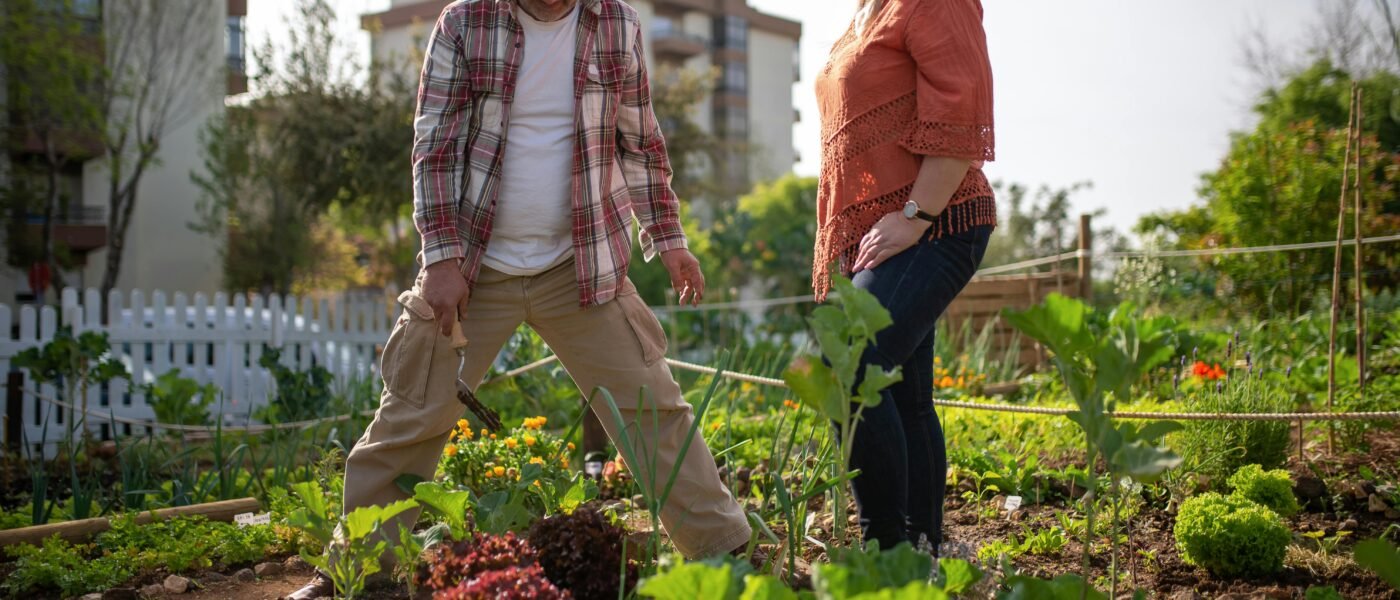
If your knees are telling you that kneeling in the garden is no longer an option, you are not alone. That was exactly where I found myself a few years into my 60s, staring at a weedy patch of soil that used to be my pride and joy. After 15 years running a nursery from 1980 to 1995, I thought I knew every trick in the book. But arthritis and age have a way of rewriting the rules. I remember the morning I couldn’t grip my favorite trowel—the handle was too thin, and my fingers refused to cooperate. It was humbling, but it also sparked a journey that transformed how I garden. Now, I want to share what I’ve learned about adapting to this new chapter, because gardening in your 60s isn’t about giving up—it’s about gardening smarter.
The Honest Truth About Gardening in Your 60s
Let’s be direct: your body will not cooperate the way it did in your 30s or 40s. Joints ache, muscles tire faster, and recovery takes longer. I learned this the hard way after a weekend of heavy digging left me barely able to walk for three days. The pain wasn’t just physical—it was emotional. Gardening had always been my sanctuary, and suddenly it felt like a punishment. But here’s the thing: your 60s can be some of the most rewarding gardening years if you embrace change. Your experience and patience are assets that no young gardener can match. You know which plants thrive, when to prune, and how to read the soil. The key is adapting your methods to protect your body while preserving that joy.
What Physically Changes in Your 60s That Affects Gardening
Our bodies undergo specific changes that impact gardening. First, joint flexibility decreases, especially in hips, knees, and shoulders. Bending and kneeling become painful. Second, grip strength diminishes, making it hard to hold tools or pull weeds. Third, balance deteriorates, increasing fall risk on uneven ground. Fourth, skin thins, making sun protection crucial. Finally, recovery time lengthens, so overdoing it one day means paying for it the next. I noticed these shifts gradually, but ignoring them led to injuries. The solution isn’t to push through—it’s to redesign your approach.
The Tools That Help: Ergonomic Gardening for Seniors
After years of trial and error—and some expensive mistakes—I’ve narrowed down the tools that genuinely make a difference. When you’re in your 60s, the right equipment isn’t a luxury; it’s a necessity. I replaced my standard trowel with an ergonomic model that has a cushioned, angled handle. My old pruners were swapped for ratchet-action shears that multiply my force. The biggest game-changer? A rolling garden stool. It lets me sit while weeding, and I can scoot along without standing. For digging, I use a long-handled cultivator that keeps my back straight. These aren’t gimmicks—they’re proven solutions that reduce strain on joints and muscles. I also invested in knee pads that fit securely and a gardening apron with pockets to carry tools, so I don’t have to bend to reach them.
Why Raised Beds Are a Lifesaver for Senior Gardeners
If you can only make one change, build raised beds. They elevate the soil to waist height, eliminating the need to bend or kneel. I built mine at 28 inches tall, which is perfect for sitting on a stool or standing comfortably. The benefits go beyond comfort: raised beds warm up faster in spring, drain better, and are easier to maintain. You can also line them with landscape fabric to suppress weeds, reducing the need for constant weeding. For those with mobility issues, consider vertical gardening with trellises or wall-mounted planters. I grow cucumbers and tomatoes on a simple wooden trellis, and picking them is a joy instead of a chore. This shift alone saved my garden—and my sanity.
Planning Your Garden for Less Strain: What Changes in Your 60s
A garden designed for a younger body often needs rethinking. I now prioritize low-maintenance plants that need less watering, pruning, and deadheading. Perennials like lavender, coneflowers, and daylilies come back year after year with minimal effort. I also reduced my lawn size—replacing it with mulched beds or ground covers like creeping thyme. Lawns demand mowing, edging, and watering, which are hard on aging joints. Instead, I created a gravel path with stepping stones, which is easy to walk on and looks beautiful. Timing matters too: I garden in short bursts—15 to 20 minutes at a time—with rest breaks. This prevents fatigue and keeps the experience enjoyable.
The Role of Strength and Flexibility: Simple Exercises for Gardeners
I cannot stress enough how important it is to prepare your body before gardening. In my 60s, I noticed that stiff mornings led to injuries. Now, I do gentle stretches for 5 minutes before heading outside: neck rolls, shoulder shrugs, hamstring stretches, and ankle rotations. I also practice heel-toe walking to improve balance. For strength, I use resistance bands for my arms and legs, focusing on the muscles used for digging and lifting. These exercises are simple but effective. The Arthritis Foundation recommends similar routines for gardeners with joint pain. I also recommend warm-up walks around the garden before starting. Consistency is key—doing these stretches daily has kept me gardening well into my late 60s.
Watering and Harvesting: Adapting to Your Body’s Needs
Watering used to be a heavy chore—dragging hoses and lifting watering cans. Now, I use drip irrigation on a timer. It delivers water directly to roots, saving my back and wrists. For pots, I installed a soaker hose system that connects to a rain barrel, which also cuts water bills. When harvesting, I use a harvest basket on wheels that I can pull behind me. No more carrying heavy loads. I also planted my vegetables closer to the house, so I don’t have to walk far to gather dinner. These small adjustments add up to big energy savings. Remember: your garden should serve you, not the other way around.
When to Ask for Help: No Shame in Sharing the Load
I’ll admit, this was the hardest lesson for me. I prided myself on doing everything alone. But in my 60s, I realized that delegating is not a failure—it’s wisdom. I hire a local teenager to mow the lawn and turn the compost pile. My neighbor helps with heavy lifting during spring planting. In return, I share cuttings from my perennials and homemade jam. This creates a community of support. If you can afford it, consider a professional gardener for one-time tasks like installing raised beds or building a trellis. Your health is priceless, and preserving it allows you to garden for years to come. For more tips, check out our Related Gardening Guide.
Gardening as a Lifelong Joy
Gardening in your 60s is a dance between acceptance and adaptation. Yes, things change—your body, your stamina, your priorities. But the rewards remain: the taste of a sun-warmed tomato, the sight of a bee on a flower, the satisfaction of nurturing life from soil. I’ve learned to listen to my body, to respect its limits, and to celebrate small victories. A single hour of gentle weeding is still an hour in paradise. So, embrace the tools, redesign your space, and keep your hands in the dirt. Your garden will thank you, and so will your spirit.
Leave a Reply