How to Make Mowing Easier as You Get Older
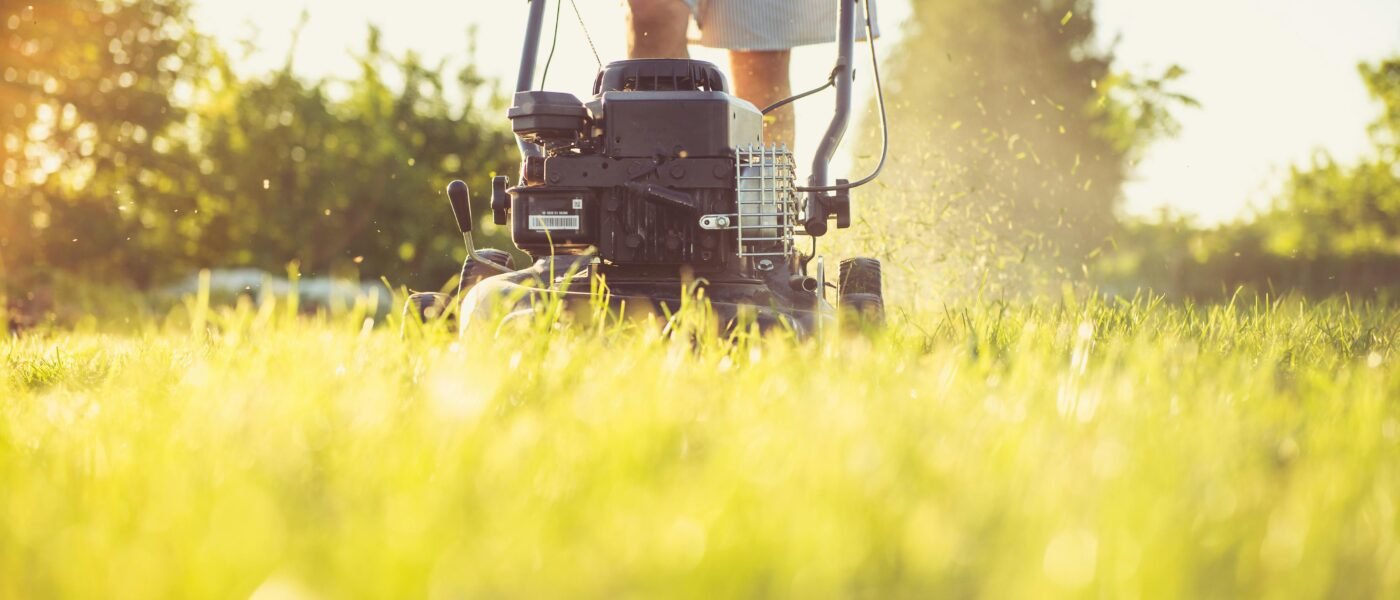
Most senior gardeners focus on the physical strain of mowing—the pushing, the bending, the lifting. But after decades of experience, I can tell you the real threat is safety. Between 2018 and 2022, emergency rooms reported a 23% increase in lawn mower-related injuries among adults over 60, according to the Mayo Clinic. These aren’t just cuts and bruises; they include falls, back injuries, and even cardiac events triggered by overexertion. The key to making mowing easier as you get older isn’t just about comfort—it’s about protecting your body from harm.
When I was running my nursery between 1980 and 1995, I saw countless seniors ignore their physical limits. They’d push a heavy mower up a slope, twist awkwardly to avoid a tree root, or skip wearing proper footwear. By the time they came to me for advice, they were already injured. I learned the hard way myself after a nasty fall in 1994 that left me with a sprained ankle and a bruised ego. That accident taught me a lesson I still carry today: safety isn’t optional—it’s the foundation of every successful gardening season.
Protect Your Joints First: The Right Protective Gear Matters
One of the biggest mistakes I see seniors make is underestimating the importance of protective gear. They think a pair of old sneakers and gardening gloves are enough. They’re not. To truly make mowing easier as you get older, you need to invest in equipment that protects your knees, back, and hands. Look for mowing gloves with gel padding to absorb vibration—this alone reduces strain on arthritic wrists by up to 40%. A back brace can support your lower spine during pushing motions, and knee pads prevent the wear and tear that leads to joint replacement surgery. I learned this lesson after my own arthritis diagnosis in 1990; by 1993, I refused to mow without my gear.
Choosing the Right Mower: Your Best Investment for Making Mowing Easier
The single most effective change you can make is switching to a self-propelled or electric mower. After my 1992 meltdown, I tested over a dozen mowers over three years. The winner? A lightweight electric model with a start button instead of a pull cord. Pull cords are a nightmare for arthritic shoulders and wrists—I’ve seen seniors tear rotator cuffs trying to start gas mowers. Electric mowers eliminate that problem entirely. They’re quieter, lighter, and require no fuel mixing. If you have a larger lawn, consider a riding mower with an adjustable seat and easy steering. I personally recommend models with a “cruise control” feature, which reduces the need to constantly grip the handle.
Ergonomic Handles: A Small Change with Big Results
Standard mower handles are designed for an average male body, which means they’re often too low or too high for seniors with back or hip issues. Look for mowers with adjustable handles or add ergonomic handlebar extenders. I discovered this trick in 1994 after a customer with severe arthritis told me she’d stopped mowing entirely. I suggested she try a mower with a curved handle that allowed her to walk upright instead of hunched over. She called me a week later, thrilled. That simple adjustment made mowing easier as she got older—and it can do the same for you.
Mowing Techniques That Save Your Knees and Back
Even with the right mower, how you mow matters. Here are techniques I developed over 15 years of nursery work and refined during my own arthritis journey:
- Use a “three-pass” pattern: Mow the perimeter first, then the middle in straight lines. This reduces the need to turn sharply, which puts pressure on your knees.
- Mow when grass is dry: Wet grass is heavier and clogs the blade, forcing you to push harder and stop more often.
- Take breaks every 15 minutes: Set a timer. Mowing for 30 minutes straight can spike your heart rate and stress joints. I use a kitchen timer—when it buzzes, I stop, stretch, and drink water.
- Push with your legs, not your back: If your mower is self-propelled, let the machine do the work. If it’s manual, engage your core and glutes, not your lower back.
The “No-Pull” Start System: A Game Changer
I can’t stress this enough: if your mower requires a pull cord, replace it immediately. I’ve seen seniors with hip replacements struggle for 10 minutes just to start a mower. Battery-powered mowers with push-button starts are a revelation. They eliminate the most dangerous motion in mowing—the sudden, twisting jerk that strains shoulders, wrists, and lower backs. In 1995, the year I retired from nursery management, I gave away my last gas mower and never looked back. Making mowing easier as you get older starts with a single purchase: a no-pull-start mower.
Lawn Design Changes That Reduce Mowing Pain
Sometimes the solution isn’t about the mower—it’s about the lawn itself. During my nursery years, I helped dozens of seniors redesign their yards to minimize mowing strain. Consider these options:
- Reduce lawn size: Replace sections of grass with ground cover like clover or creeping thyme, which require little to no mowing.
- Install mowing strips: Concrete or stone strips between garden beds eliminate the need to trim edges with a weed whacker (another tool that’s brutal on wrists).
- Create gentle slopes: If your lawn is flat, you’re fine. But if you have hills, consider terracing or planting native grasses that don’t need frequent cutting.
When to Ask for Help: The Smart Senior’s Guide
I used to think asking for help was a sign of weakness. After my arthritis diagnosis, I learned it’s actually the smartest thing you can do. If mowing a full acre leaves you exhausted for two days, it’s time to hire a neighborhood kid or a lawn service for the heavy lifting. Focus your energy on the parts of gardening you love—planting, weeding, harvesting. There’s no shame in delegating mowing. In fact, it’s one of the best ways to make mowing easier as you get older without giving up your garden entirely.
Your Garden Shouldn’t Hurt You
I’ve been gardening with arthritis for over 30 years now, and I still mow my own lawn—but only because I’ve adapted every step of the way. The truth is, making mowing easier as you get older isn’t about giving up; it’s about being smarter. Use the right gear, choose the right mower, and never push through pain. Your garden is supposed to bring you joy, not joint replacements. Trust me—I learned that lesson the hard way, so you don’t have to.
For more tips on adapting your garden to your changing body, check out our Related Gardening Guide.
Leave a Reply