How To Grow Strawberries In Raised Beds As A Senio | Retirem
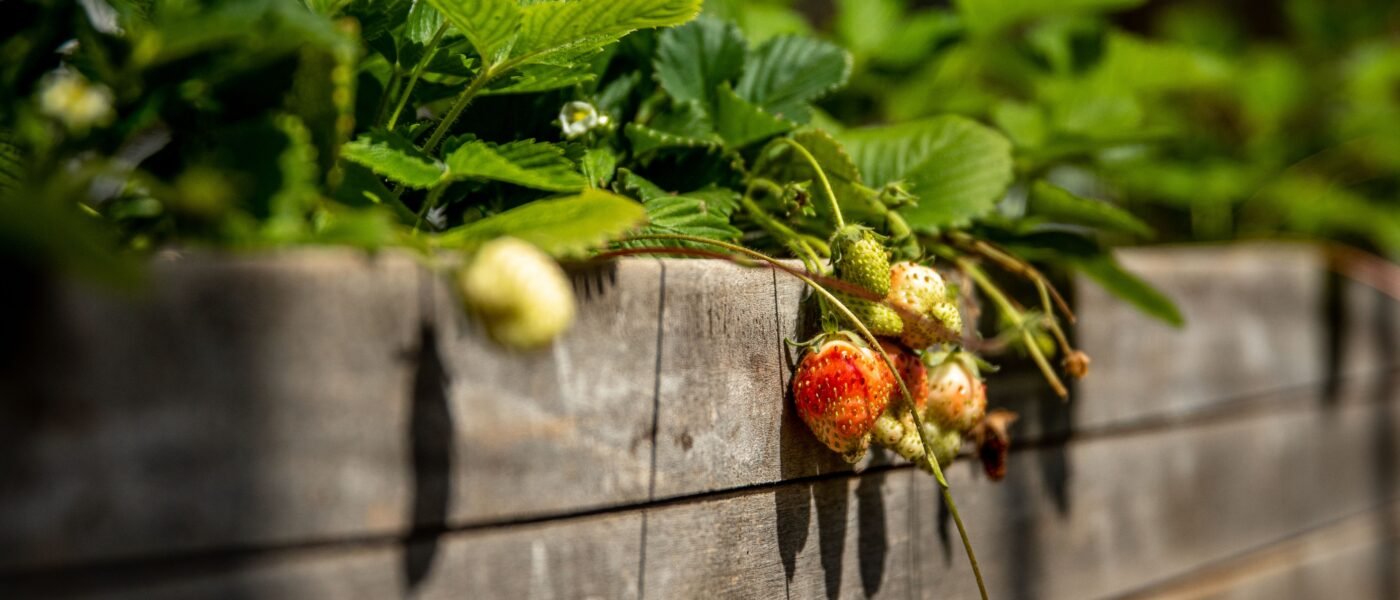
Strawberries are shallow-rooted, sprawling plants that demand frequent attention: watering, weeding, mulching, and picking every few days during peak season. On flat ground, that means kneeling, crouching, or bending at the waist repeatedly. For anyone with arthritis, back issues, or reduced mobility, this quickly becomes unsustainable.
The raised bed solution elevates the entire growing surface. When you grow strawberries in raised beds as a senior, you eliminate the need to bend. The ideal height for a raised strawberry bed is between 24 and 36 inches—high enough that you can sit on a stool or stand comfortably while working. At this height, your arms can reach the center of a three-foot-wide bed without stretching your shoulders, and your hands stay at a natural working level.
But there is a second, less obvious advantage: soil drainage. Strawberries hate wet feet. Raised beds warm up faster in spring, drain better than ground soil, and allow you to control the precise soil composition. This means earlier harvests and healthier plants, which is deeply satisfying when you are working with limited energy.
Selecting the Right Strawberry Varieties for Senior-Friendly Beds
Not all strawberries are equal when your goal is low-maintenance, high-yield success in a raised bed. I recommend two categories:
June-bearing varieties produce one massive crop over two to three weeks in late spring or early summer. These are ideal if you want to freeze or preserve berries. Good choices include ‘Honeoye’ (reliable and disease-resistant) and ‘Jewel’ (large, sweet berries). Because they fruit all at once, you can schedule your picking session and then rest.
Everbearing or day-neutral varieties produce smaller crops continuously from spring through fall. These are perfect if you enjoy fresh berries daily without a huge harvest window. ‘Albion’ and ‘Seascape’ are excellent day-neutral types that perform well in raised beds.
For seniors, I lean toward day-neutral varieties in raised beds. They spread less aggressively, require less pruning of runners, and give you a steady reward system—a berry here, a berry there—rather than one frantic week of work.
How to Plant Strawberries in Raised Beds as a Senior: The No-Bend Method
Here is where the recovery-phase angle becomes critical. Do not plant strawberries the way you did thirty years ago. Instead, follow this process:
1. Prepare the bed while standing. Fill your raised bed with a mix of 60% high-quality compost and 40% perlite or coarse sand. This ensures excellent drainage and reduces the need for frequent watering. Use a long-handled cultivator to mix it—no bending required.
2. Space plants 12 inches apart in staggered rows. Instead of digging holes, use a trowel with a long handle, or better yet, a bulb planter with an extension handle. Push the planter into the soil, twist, and remove a plug. Drop the strawberry plant in, then firm the soil around it with your gloved hand. Your back stays straight the entire time.
3. Mulch immediately. Spread a 2-inch layer of straw (not hay—hay contains weed seeds) around each plant. This suppresses weeds, retains moisture, and keeps berries clean. Use a lightweight garden fork or a pair of long-handled tongs to distribute the straw without stooping.
4. Water with a drip system. Install a drip irrigation line with a timer. This is non-negotiable for seniors. Carrying a watering can or hose around a raised bed is exhausting and risky for balance. A drip system delivers water directly to the roots, reduces disease, and frees up your energy for picking.
Essential Long-Reach Tools for Senior Strawberry Gardeners
After fifteen years of nursery work and two decades of arthritic gardening, I have curated a short list of tools that make growing strawberries in raised beds as a senior genuinely pleasurable:
– Long-handled weeding hoe (30- to 40-inch handle). A stirrup hoe or swoe lets you slice weeds at the soil line while standing upright. No more crawling to pull dandelions from between strawberry plants.
– Seated garden stool with a pouch. Even with a raised bed, standing for an hour can fatigue your legs. A lightweight, foldable stool lets you perch at bed height. The pouch holds your trowel, pruning shears, and a small basket for berries.
– Ergonomic pruners with rotating handles. Strawberry plants produce runners (offshoots) that need trimming to keep the bed productive. Standard pruners are murder on arthritic hands. Look for pruners with a rotating lower handle or a ratcheting mechanism—they require half the grip strength.
– Harvest basket with an attached strap. A basket that hangs around your neck or clips to your belt leaves both hands free for picking. This is a small upgrade that saves your shoulders from constant reaching.
Maintaining Your Strawberry Bed Without Pain: The Recovery-Phase Schedule
The biggest mistake I see seniors make is treating gardening like a marathon. Your body needs recovery phases built into the routine. Here is a weekly schedule that works for me:
Monday (15 minutes): Check drip system and pick ripe berries. That is it. No weeding, no pruning. Just the reward.
Wednesday (20 minutes): Quick weed patrol with long-handled hoe. Remove any dead leaves. Apply a thin layer of compost tea if needed.
Friday (30 minutes): Deep inspection. Trim runners. Check for pests (slugs and spider mites are the main threats). Replenish mulch. Sit on your stool for the entire session.
Weekend: Harvest and enjoy. Share with neighbors or freeze extras.
Notice that no single session exceeds 30 minutes. This is intentional. When you grow strawberries in raised beds as a senior, the raised bed does not just save your back—it saves your stamina. You can do small, focused tasks frequently rather than one exhausting marathon.
Common Problems and Senior-Friendly Solutions
Birds eating berries: Use bird netting draped over PVC hoops. Install the hoops while standing—no crawling required. The netting prevents birds from reaching the fruit without trapping your hands.
Slugs and snails: Place copper tape around the edges of the raised bed. Slugs get a mild electric shock when they cross it and turn back. No bending, no bait, no gross hand-picking.
Winter protection: In cold climates, strawberries need winter mulch. Instead of hauling heavy bales of straw, use lightweight floating row covers. They weigh almost nothing and can be draped over the bed in minutes. Remove them in early spring when new growth appears.
Why This Works for Your Body and Your Spirit
I will be honest: there are days when my hands ache so much that even picking a single strawberry feels like a chore. On those days, I sit on my stool, rest my hands in my lap, and just look at the bed. The green leaves, the red berries, the bees buzzing—it is still medicine. The raised bed makes that possible. It removes the physical barrier between you and the joy of growing food.
If you are reading this and wondering whether you are too old or too stiff to start a strawberry patch, let me assure you: you are not. The right height, the right tools, and the right schedule turn a painful chore into a sustainable, rewarding hobby. I have seen seniors in their eighties harvest quarts of berries from a single four-by-eight-foot raised bed, and they do it without a single complaint about their knees.
For more information on managing arthritis while staying active, the Mayo Clinic offers excellent resources on joint-friendly exercises and activities. Apply the same principles to your garden, and you will be amazed at what your body can still do.
Leave a Reply