10 Reasons Why Gardening Is The Perfect Retirement | Retirem
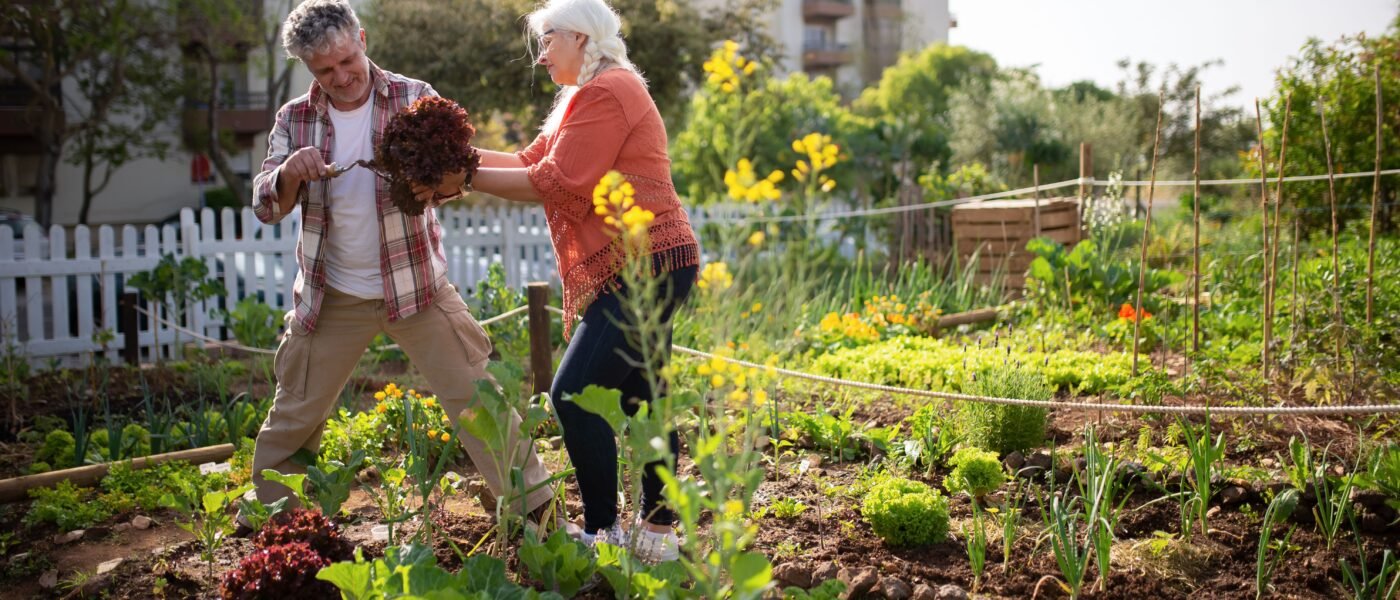
I remember the day I first doubted whether I could continue. It was a crisp April morning, and I couldn’t grip the trowel handle without wincing. That’s when I realized gardening wasn’t about proving anything—it was about finding joy in small, manageable tasks. Over the years, I’ve watched retirees transform from frustrated would-be gardeners into thriving stewards of their own little patches of earth. Let me share why this hobby is tailor-made for your golden years.
Why Gardening Is the Perfect Retirement Hobby for Your Health
Gardening is the perfect retirement hobby because it offers a unique blend of physical activity, mental stimulation, and emotional connection—all without requiring you to run a marathon. Here are ten concrete reasons, grounded in my experience and the latest research, that explain why you should grab a trowel and start today.
1. Low-Impact Exercise That Actually Works
You don’t need to hit the gym to stay active. Digging, planting, weeding, and watering are forms of low-impact exercise that engage your muscles without jarring your joints. According to the Mayo Clinic, gentle gardening activities can improve flexibility, strength, and endurance—exactly what retirees need to maintain mobility. I’ve found that thirty minutes of light weeding or planting raises my heart rate gently, and I can do it at my own pace. No need to rush; the garden waits.
2. Pain Management Through Movement
Arthritis taught me that stiffness worsens when you sit still. Gardening forces you to move—bending, reaching, twisting—which keeps your joints lubricated. I started using raised beds after my knees rebelled against ground-level work, and the difference was night and day. The gentle motion of watering or pruning actually reduces my morning stiffness. It’s not a cure, but it’s a practical, daily tool for managing discomfort.
3. Mental Health Benefits That Beat Any Prescription
There’s something profoundly calming about working with your hands in the soil. The act of planting a seed and watching it grow gives you a sense of purpose that retirement sometimes lacks. I’ve seen neighbors who were struggling with depression find a new lease on life by tending a small vegetable patch. The repetitive, mindful tasks—like deadheading flowers or mixing compost—quiet the mind and reduce stress. Gardening is the perfect retirement hobby for your mental well-being because it grounds you in the present moment.
4. Social Connection Without Overwhelm
Retirement can be lonely, but gardening offers natural ways to connect. Community gardens, garden clubs, or even just trading produce with neighbors create low-pressure social opportunities. I started a small gardening group in my retirement community, and we meet weekly to share tips and harvests. You don’t have to be a social butterfly; a simple question like “How do you grow tomatoes?” can spark a friendship. Gardening is the perfect retirement hobby for building community at your own pace.
5. Cognitive Stimulation That Keeps Your Brain Sharp
Planning a garden requires problem-solving: What plants thrive in shade? When should you prune? How do you manage pests? This constant learning keeps your brain active. Research shows that complex, hands-on activities like gardening can delay cognitive decline. I still find myself reading seed catalogs and experimenting with new varieties—even after all these years. The mental challenge of designing a flower bed or timing a vegetable crop is deeply satisfying.
6. A Sense of Accomplishment That Never Fades
There’s nothing like the pride of picking your first ripe tomato or seeing a rose bush bloom that you pruned. Retirement can sometimes feel like a series of days without purpose, but gardening gives you tangible results. I remember the year my arthritis was so bad I could barely plant seeds—yet that same fall, I harvested enough squash to share with the entire building. That feeling of “I did this” is priceless. Gardening is the perfect retirement hobby because it provides constant small victories.
7. Flexible Intensity—You Control the Pace
Some days you might feel energetic and want to dig a new bed. Other days, you might just water a few pots. Gardening accommodates both. I’ve learned to listen to my body: if my hands ache, I use ergonomic tools; if my back is sore, I sit on a stool. This flexibility makes it ideal for retirees whose energy levels fluctuate. You’re never behind; the garden doesn’t judge.
8. Connection to Nature That Reduces Loneliness
Spending time outdoors, even in a small backyard or balcony, connects you to the rhythms of the seasons. Watching birds, bees, and butterflies visit your garden can be deeply reassuring. I’ve found that just sitting among my plants after a stressful day lowers my blood pressure. Nature doesn’t care about your age or limitations—it just offers beauty and calm. Gardening is the perfect retirement hobby for combating feelings of isolation.
9. Cost-Effective Hobby with Long-Term Rewards
You don’t need expensive equipment to start. A few seeds, some soil, and a container can yield months of enjoyment. Growing your own vegetables can even save money on groceries. I’ve calculated that my small tomato patch produces about $100 worth of fruit each summer—far more than the cost of starts and soil. And the taste? Unbeatable. Gardening is the perfect retirement hobby because it’s affordable and gives back more than you invest.
10. Legacy Building—Passing on Wisdom
Finally, gardening allows you to leave something behind. Whether it’s a perennial flower bed that blooms for years, a recipe using your homegrown herbs, or simply teaching a grandchild how to plant a seed, you’re creating a living legacy. I’ve given away hundreds of plants over the years, and each one carries a story. Gardening is the perfect retirement hobby because it ensures your love for the earth continues beyond your own garden.
Practical Tips to Get Started
If you’re new to gardening or returning after a long break, start small. Choose one raised bed or a few containers. Pick plants that are forgiving—like marigolds, tomatoes, or lavender. Invest in ergonomic tools with padded handles to protect your hands. And don’t be afraid to ask for help. For more detailed advice, check out our Related Gardening Guide on setting up a low-maintenance garden for seniors.
Remember, gardening isn’t about perfection—it’s about showing up, day after day, and letting the soil work its magic. I’ve been doing this for decades, and I still learn something new every season. Your retirement years are the perfect time to discover, or rediscover, this rewarding hobby.
Leave a Reply