How To Grow Herbs In Containers As A Senior Garden | Retirem
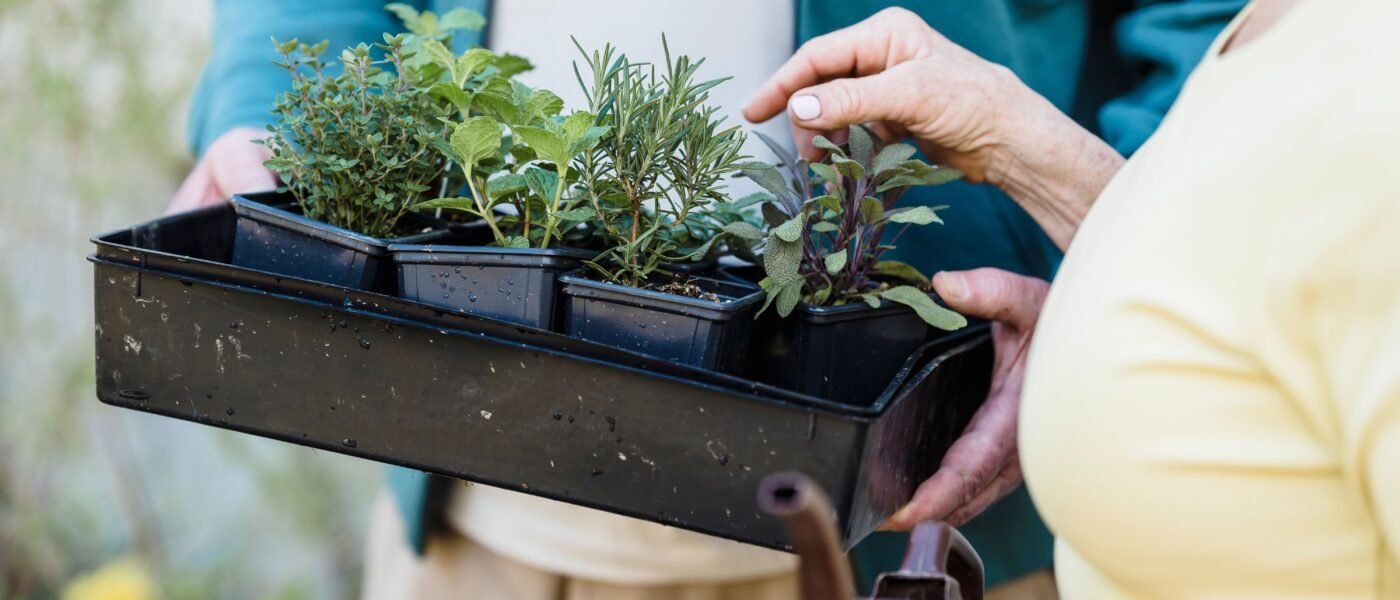
If your knees are telling you that kneeling in the garden is no longer an option, you are not alone. I’ve watched countless retirees walk through my nursery gates, clutching their lower backs, asking for “something easy.” My answer was always the same: start with herbs in raised containers. Here’s why it works so well for seniors.
Ergonomic Accessibility Without the Strain
Container gardening eliminates the two biggest physical barriers for seniors: bending and kneeling. When you place your herb pots on a table, bench, or rolling cart, you can tend to them while sitting in a sturdy chair. No more crawling along muddy rows. No more twisted wrists from pulling weeds at ground level. I now keep twelve herb pots on a waist-high wooden shelf my son built. I can snip chives, thyme, and oregano without lowering my body even an inch. For seniors with arthritis, this is a game-changer.
Better Control Over Soil and Water
Herbs are notoriously finicky about drainage. In-ground gardens often suffer from heavy clay or compacted soil that traps moisture, leading to root rot. Containers give you complete control. You can fill them with a lightweight, well-draining potting mix that reduces the effort required to dig and turn soil. And watering? No more dragging a heavy hose across the yard. A simple watering wand or a drip tray system keeps your herbs hydrated without straining your shoulders.
Portability for Changing Seasons and Mobility
One of the greatest benefits I’ve discovered is the ability to move herbs closer to the house or into the sun as needed. If a cold snap hits, I wheel my rosemary and basil pots into the garage. If my hips are flaring up, I bring a pot of mint onto the patio table and harvest while sitting. This flexibility is invaluable for seniors whose energy or mobility fluctuates day to day.
The Best Herbs to Grow in Containers for Senior Gardeners
Not all herbs thrive in pots, but many do beautifully. Based on my three decades of hands-on experience, here are my top recommendations for seniors. These herbs are forgiving, low-maintenance, and reward you with abundant harvests.
Basil: The Instant Gratification Herb
Basil is my personal favorite for senior gardeners. It grows quickly, smells incredible, and doesn’t require digging or heavy pruning. You can start it from seed in a small 6-inch pot, and within weeks, you’ll have fresh leaves for pesto. Pinch off the tips to encourage bushy growth—a task that’s gentle on arthritic fingers. Basil loves heat and sun, so place it on a south-facing deck railing or a sunny windowsill.
Thyme: The Low-Maintenance Ground Cover
Thyme is practically indestructible. It tolerates neglect, poor soil, and irregular watering—perfect for days when your hands hurt too much to tend to plants. I grow lemon thyme and French thyme in wide, shallow bowls. The tiny leaves are easy to strip from the stems by running your fingers along them (a motion that actually feels good on stiff knuckles). Thyme also releases a soothing aroma that many seniors find calming.
Mint: The Reliable Thriver
Mint is a survivor, and for seniors, that’s a blessing. It will grow in almost any container, even one with a crack or a missing drainage hole. The downside? Mint spreads aggressively, so keep it in its own pot—never plant it in the ground unless you want a mint lawn. I love peppermint and spearmint for tea. Harvesting is simple: just snip stems with kitchen shears (easier than pulling leaves). Mint also grows well in partial shade, which is helpful if your mobility limits where you can place pots.
Rosemary: The Woody Perennial
Rosemary is a bit more demanding, but it’s worth the effort. It needs excellent drainage and plenty of sun. I use a deep, heavy ceramic pot to prevent tipping in wind. Pruning rosemary is the main challenge for senior hands—the woody stems can be tough. I recommend using a pair of lightweight ratchet pruners (they multiply your grip strength) to make clean cuts. Rosemary adds a wonderful fragrance to any patio and is a staple in my kitchen for roasted vegetables.
Chives: The No-Drama Herb
Chives are practically foolproof. They grow in clumps, require minimal care, and you harvest them by snipping the hollow leaves at the base. The purple flowers are edible and beautiful. Chives thrive in small pots and even tolerate light neglect. For seniors with limited strength, this is the herb to start with. I’ve had a chive pot on my back deck for eight years, and it’s never failed me.
How to Set Up Your Container Herb Garden for Comfort
The secret to success as a senior gardener isn’t just about the plants—it’s about the setup. Here are my ergonomic tips, drawn from years of trial and error with my own arthritis.
Choose the Right Container
- Lightweight materials: Avoid heavy terracotta or concrete. Instead, use resin, fiberglass, or fabric grow bags. They are easy to move and won’t strain your back when repositioning.
- Wide and shallow: Deep pots require more soil (and more weight). For herbs like thyme, oregano, and chives, a shallow 8-inch pot is perfect. For basil and rosemary, use a 10- to 12-inch pot.
- Built-in handles: Look for pots with sturdy handles on the sides. This lets you lift and carry them with both hands, distributing weight evenly.
- Self-watering containers: These are a godsend for seniors. They have a built-in reservoir that reduces watering frequency to once a week or less. No more daily lifting of watering cans.
Elevate Your Pots
This is non-negotiable. Place all your herb containers on a sturdy table, bench, or rolling cart at waist height. I use a repurposed wooden workbench that sits 36 inches tall. I can sit in a garden stool and still reach every plant without bending. For seniors using wheelchairs or walkers, a rolling cart with locking wheels allows you to bring the herbs to you rather than navigating a garden path.
Use Ergonomic Tools
Standard garden tools are designed for younger hands. As a senior, you need tools with padded handles, lightweight frames, and angled grips. I recommend a trowel with a cushioned grip for potting soil, and pruners with a ratcheting mechanism that cuts through stems with minimal hand effort. A long-handled watering wand with a trigger nozzle saves your shoulders from lifting heavy cans.
Create a Comfortable Workstation
- Sit while you work: Use a garden kneeler that converts into a bench, or a sturdy plastic stool with a backrest.
- Keep tools within reach: Use a garden caddy or a tool belt to avoid repetitive bending to the ground.
- Water smart: Install a drip irrigation system on a timer. This eliminates the need to carry water at all. For a small herb collection, a simple soaker hose on a timer is sufficient.
Common Mistakes Senior Gardeners Make with Container Herbs
Over the years, I’ve seen retirees make three critical errors. Avoid these, and your herbs will thrive.
Mistake 1: Using Garden Soil in Pots
Garden soil compacts in containers, suffocating roots. Always use a lightweight potting mix labeled for containers. It contains perlite or vermiculite for aeration and drains quickly. This also reduces the weight of the pot, making it easier to move.
Mistake 2: Overwatering
Herbs hate wet feet. Most seniors overwater out of kindness. Stick your finger an inch into the soil. If it feels dry, water. If it’s moist, wait. Self-watering containers help regulate this, but always check before adding water.
Mistake 3: Ignoring Sunlight Needs
Most culinary herbs need at least 6 hours of direct sunlight daily. If your deck or patio is shaded, choose parsley, mint, or chives, which tolerate partial shade. Basil and rosemary will fail without adequate sun. Use a portable light meter (or a simple app on your phone) to check your spot before planting.
Harvesting Without Pain: My Senior-Friendly Techniques
Harvesting should be a joy, not a chore. Here’s how I do it without aggravating my arthritis.
- Use kitchen shears: For chives, parsley, and basil, snip leaves with sharp scissors rather than pulling. This saves finger strength.
- Harvest from the top: For thyme and oregano, pinch the top inch of stems between thumb and forefinger. This motion is gentle and promotes bushy growth.
- Collect in a basket: Place a lightweight basket or bowl on your lap while harvesting. This avoids dropping leaves and needing to bend down.
- Dry herbs in small batches: After harvesting, spread leaves on a screen or tray in a warm, dark place. No need for heavy equipment. Dried herbs can be stored in small jars that are easy to handle.
The Joy of Herb Gardening at Any Age
If you’re a senior gardener worried that your body won’t keep up with your passion, take it from someone who’s been there: container herbs are the answer. They bring fresh flavors to your table, the scent of lavender to your patio, and the simple satisfaction of watching something grow—all without the pain that drove you to consider quitting. Start with one pot of chives or mint. See how it feels. I promise, your knees will thank you.
For more tips on adapting your garden for aging gracefully, check out our Related Gardening Guide on raised bed gardening for seniors.
And remember, gardening should never be a punishment. The Arthritis Foundation has excellent resources on joint-friendly gardening techniques—I highly recommend reading their gardening tips for people with arthritis to complement what I’ve shared here.
Leave a Reply