Best Tools for a Senior Vegetable Garden
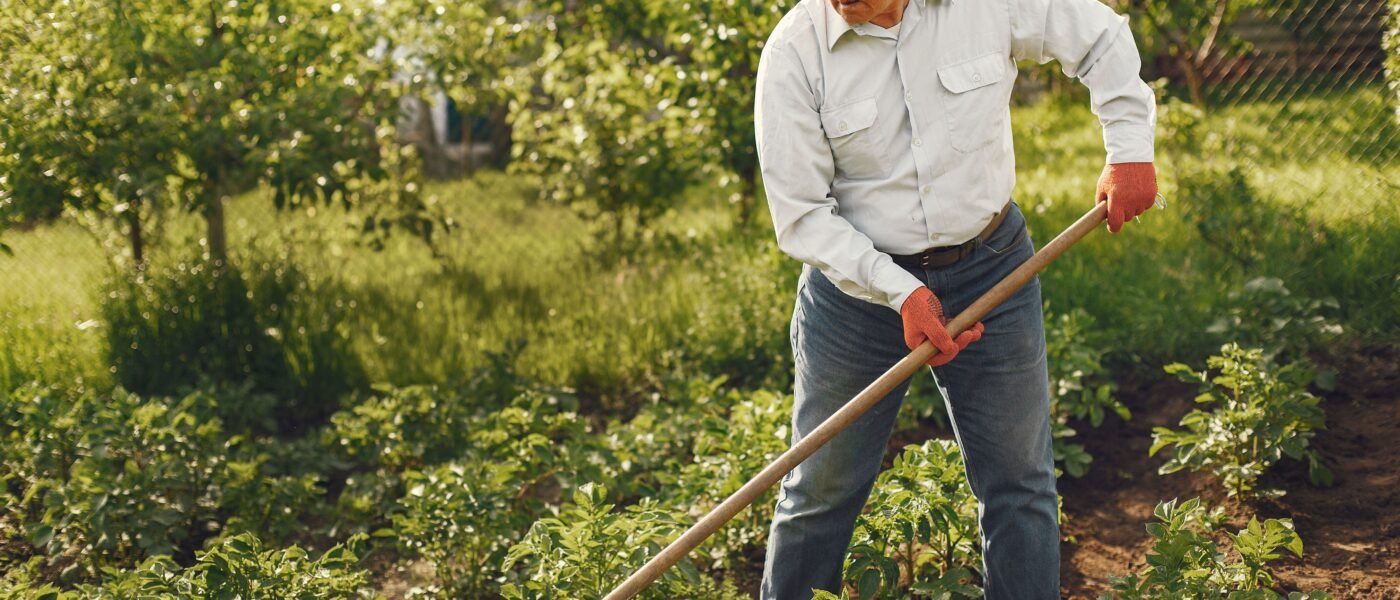
If your knees are telling you that kneeling in the garden is no longer an option, you are not alone. I have been there—staring at a patch of soil that once brought me joy, now feeling like an obstacle course of pain. After 15 years running a nursery from 1980 to 1995 and managing my own arthritis diagnosis, I learned that the right tools transform a garden from a source of frustration into a sanctuary. This article is about the best tools for a senior vegetable garden, designed to keep you safe, seated, and harvesting well into your golden years.
Why Lightweight Tools Are Non-Negotiable for Senior Gardeners
When I started in the nursery business, I used heavy steel tools that were standard for decades. They worked—until my hands didn’t. Arthritis in my knuckles made gripping a traditional trowel feel like holding a rock. The shift to lightweight tools was not a luxury; it was survival. For seniors, every ounce matters. A heavy tool strains wrists, elbows, and shoulders, increasing fall risk when you are off-balance. The best tools for a senior vegetable garden use aluminum, carbon fiber, or reinforced plastic. They cut weight by 40-60% without sacrificing durability. Look for ergonomic handles with soft, non-slip grips. I recommend testing the weight in your hand before buying. If it feels heavy in the store, it will feel impossible after 30 minutes of weeding.
The Best Lightweight Trowels and Cultivators
A good trowel is the backbone of any vegetable garden. For seniors, I swear by the Radius Garden Ergonomic Trowel. Its natural curve aligns with your hand’s resting position, reducing stress on arthritic joints. The stainless steel blade is sharp but light. Another favorite is the Fiskars Ergo Trowel, which has a cushioned grip and angled blade that lets you work without bending your wrist. Avoid metal handles—they get cold and slippery. For cultivators, look for a three-pronged design with a D-handle. This allows you to use your whole fist instead of pinching, which is crucial if you have grip weakness. These lightweight options are essential in any list of best tools for a senior vegetable garden because they prevent the micro-strains that accumulate over a season.
Fall Prevention: The Overlooked Danger in Senior Vegetable Gardens
Falls are the leading cause of injury among gardeners over 65. I learned this the hard way when I tripped over a hose while carrying a heavy watering can. The best tools for a senior vegetable garden prioritize stability. Start with a garden kneeler and seat. This two-in-one tool flips from a kneeling pad to a sturdy seat. I use one with a metal frame and wide legs—never plastic, which can crack. When seated, your center of gravity is lower, reducing fall risk. Pair it with a rolling garden cart or a utility wagon. These let you transport tools, soil, and harvests without bending or carrying. Look for models with large, pneumatic wheels that roll easily over uneven soil. Avoid small plastic wheels—they dig in and cause trips. Another fall-prevention tip: use a garden stool with a handle. This gives you a place to sit while weeding and something to grab if you lose balance. The best tools for a senior vegetable garden always include at least one fall-prevention aid, because safety is the foundation of joy.
Seated Options That Keep You Gardening Longer
I remember a specific afternoon I realized I had to change everything about the way I gardened, or give it up entirely. It was a hot July day, and my back seized up while I was planting beans. That’s when I invested in a raised garden bed. For seniors, raised beds at 24-30 inches high eliminate bending entirely. You can sit on a stool or in a chair and tend your vegetables without back strain. If you cannot install permanent beds, use fabric grow bags on a table or bench. These are lightweight, portable, and perfect for tomatoes, peppers, and greens. Another seated option is the long-handled weeder. With a 36-inch handle and a claw at the end, you can remove dandelions and thistles while standing or sitting on your kneeler. The best tools for a senior vegetable garden include these seated solutions because they let you work at your own pace without pain. For more ideas on adapting your garden layout, see our Related Gardening Guide.
Ergonomic Handles: Why Grip Matters More Than You Think
When my arthritis flared, gripping a standard tool handle was like holding a hot coal. The best tools for a senior vegetable garden have handles designed for compromised hands. Look for foam or rubber grips that are at least 1.5 inches in diameter. Thinner handles force your fingers to curl tightly, which exacerbates arthritis. Some tools have rotating handles that move with your wrist, reducing strain on tendons. I also recommend trigger-grip tools, which have a handle that fits in your palm like a pistol. These let you use your whole arm instead of just your fingers. For pruning, use ratchet-style pruners. They cut in stages, requiring less hand strength. The Fiskars PowerGear pruner is a personal favorite. It multiplies your force, making clean cuts easy even with weak hands. Every senior gardener should test grip before buying. If you cannot hold it comfortably for 30 seconds, move on. The best tools for a senior vegetable garden work with your body, not against it.
Watering Tools That Reduce Strain
Watering is a daily task that can become a major pain point. Heavy watering cans and stiff hoses are common culprits. Switch to a lightweight watering wand with a trigger handle. This lets you control water flow with one finger, reducing hand fatigue. I use a 30-inch wand with a 90-degree head—no bending needed. For hose management, get a coil hose that retracts automatically. It never kinks, and you do not have to wrestle with heavy rubber. Another option is a soaker hose system. Once laid in your beds, it waters slowly at the roots, eliminating the need to carry water at all. The best tools for a senior vegetable garden simplify every step, including the most repetitive tasks. These watering tools are particularly important because dehydration is a risk for seniors, and making watering easier encourages consistent care.
Tool Storage and Maintenance for Seniors
A well-organized shed prevents falls and saves energy. The best tools for a senior vegetable garden are stored at waist height. Install a pegboard or wall rack so you never bend to the floor. Use a tool bucket or caddy with a shoulder strap—this keeps your hands free and prevents trips. For maintenance, choose tools that are rust-resistant and easy to clean. Stainless steel and aluminum are best. Avoid tools with wooden handles, which can splinter and require sanding. I sharpen my pruners with a simple sharpening stone every few weeks, but many modern tools have replaceable blades. The easier your tools are to maintain, the longer you will use them. Remember, the best tools for a senior vegetable garden are the ones you actually pick up. If a tool is too heavy, awkward, or hard to store, it will collect dust. Prioritize simplicity and accessibility.
Tools That Let You Garden on Your Terms
Most people assume that slowing down in the garden is just a natural part of getting older. After 15 years running a nursery, I disagree. The right tools do not just make gardening easier—they make it possible. The best tools for a senior vegetable garden are lightweight, ergonomic, and designed for safety. They let you sit, stand, or kneel without pain. They prevent falls and reduce joint strain. I have spent decades testing tools, and I know what works. Start with a good kneeler seat, a lightweight trowel, and a raised bed. Add a long-handled weeder and ergonomic pruners. Your body will thank you, and your vegetable garden will thrive. Do not let arthritis or age steal your harvest. Invest in the best tools for a senior vegetable garden today, and enjoy every season with less pain and more joy.
Leave a Reply