Premium vs Budget Garden Kneelers for Seniors: Is It Worth Spending More?
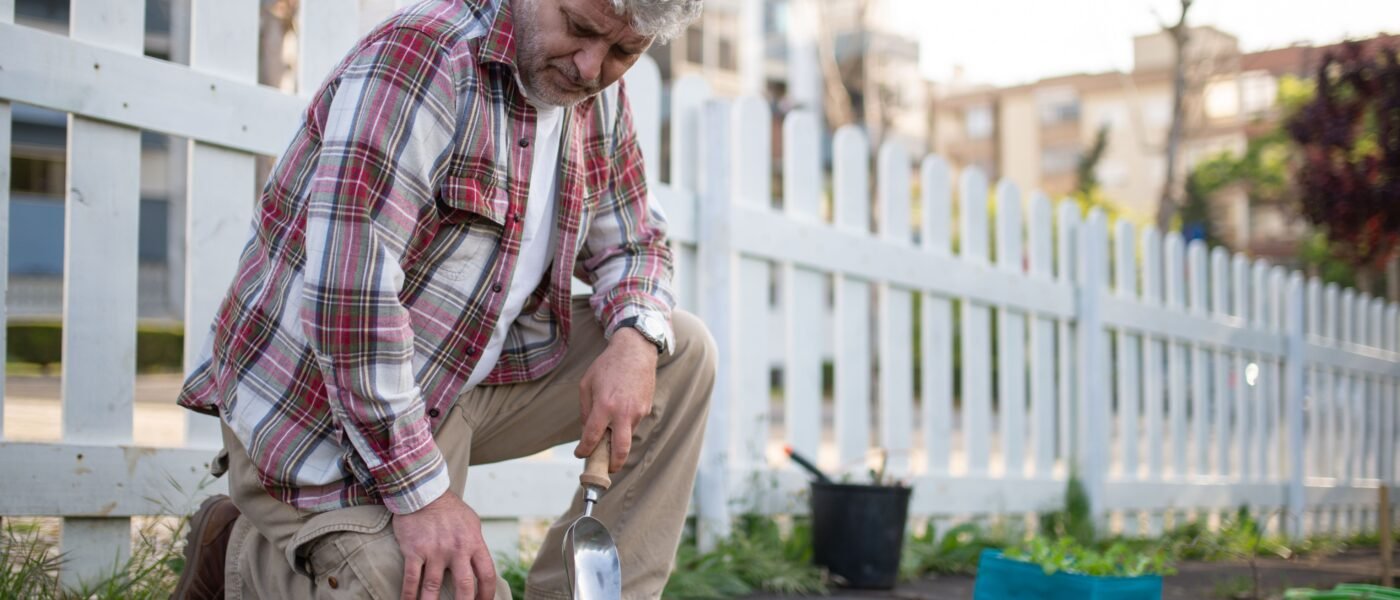
If you are a senior gardener whose knees have started to mutiny every time you try to weed the flower beds, you are not alone. I remember the exact morning I found myself sitting on a damp towel, trying to crawl sideways through a patch of lamb’s ear, wondering why a simple task had become a painful ordeal. That day, I knew I had to find a better way, and it started with one tool: the garden kneeler. After decades of trial and error—and plenty of sore mornings—I’ve learned that the choice between a premium and a budget garden kneeler is not just about price; it’s about protecting your joints so you can keep doing what you love.
I was thirty years younger then, and I didn’t fully understand the struggle until my own arthritis settled into my knees and hips a decade later. That personal turning point taught me that the right tool can transform gardening from a painful chore back into a joyful passion. In this article, I’ll break down exactly what separates a premium garden kneeler from a budget one, so you can make an informed decision that saves your knees and your wallet.
Why the Right Garden Kneeler Matters for Seniors
For anyone over sixty, kneeling is no longer a simple act—it’s a negotiation with gravity, joint inflammation, and muscle weakness. A good garden kneeler distributes your weight evenly, reduces pressure on the kneecaps, and provides a stable surface that prevents you from tipping forward into the dirt. A budget model might look similar on the shelf, but the difference in how they perform over a whole season of weeding, planting, and deadheading is enormous.
I learned this lesson the hard way. One spring, I bought a cheap foam pad from a big-box store, thinking it would do the job. After forty-five minutes of kneeling, I could barely stand up. My knees felt bruised, and my lower back ached from the uneven surface. That cost me two days of gardening while I recovered. A premium garden kneeler, on the other hand, often includes thick, high-density foam that doesn’t compress to nothing after a few uses, and it may have a sturdy frame that you can use to push yourself upright—a feature that becomes priceless as arthritis progresses.
The Budget Garden Kneeler: What You Get for Less Money
Budget garden kneelers usually cost between $10 and $25. They are typically made of a single piece of molded foam or a thin pad with a vinyl cover. They are lightweight and easy to toss in a garden cart, but they have significant limitations for seniors.
First, the foam in budget models often degrades quickly. After a few weeks of use, it can flatten out, leaving you kneeling on a hard surface that offers little cushioning. Second, most budget kneelers lack a handle or frame, which means you must rely on your own leg strength to stand up. For someone with arthritis in the hips or knees, this can be a dealbreaker. I’ve seen customers struggle to rise from a low pad, and that struggle often leads to falls or increased joint pain.
Third, budget kneelers are often smaller and less stable. They might slide on wet grass or tip if you shift your weight too far forward. While they are fine for quick tasks like pulling a few weeds, they are not designed for extended use. If you plan to spend thirty minutes or more in the garden, a budget model may leave you frustrated and sore.
The Premium Garden Kneeler: Is the Investment Worth It?
Premium garden kneelers, which range from $40 to $100 or more, are built with seniors in mind. They often feature a thick, high-density foam core that retains its shape for years, a waterproof and puncture-resistant cover, and a sturdy metal or reinforced plastic frame that doubles as a handle for getting up and down.
One of the standout features of a premium garden kneeler is the handle system. Many models have a padded handle that you can grip to lower yourself down and push yourself up, reducing strain on your knees and hips by as much as 50%. This is a game-changer for anyone with arthritis or limited mobility. I personally use a model with a handle that locks into two positions—one for kneeling and one for sitting—so I can also use it as a low stool for tasks like pruning or seeding.
Another advantage is the larger surface area. Premium kneelers often measure 12 to 16 inches wide and 20 to 24 inches long, giving you room to shift your weight without rolling off. The foam is typically rated for medical-grade support, meaning it resists compression even after years of use. Some premium models even include a storage pocket for tools or seeds, which keeps everything within arm’s reach and reduces the need to stand up repeatedly.
Key Features to Compare: Premium vs Budget Garden Kneelers
To help you decide, here is a direct comparison of the most important features for senior gardeners:
Cushion Thickness and Density: Premium models use 2 to 3 inches of high-density foam that does not flatten. Budget models use 1 to 1.5 inches of low-density foam that compresses quickly.
Handle or Frame: Premium kneelers include a handle for assisted standing. Budget kneelers rarely have any handle, making it harder to rise.
Durability: Premium covers are often made of heavy-duty nylon or rubber, resistant to tears and moisture. Budget covers are thin vinyl that can crack or split.
Weight and Portability: Budget models are lighter (1 to 2 pounds) but less stable. Premium models weigh 4 to 6 pounds but offer superior stability and often fold flat for storage.
Versatility: Many premium kneelers flip over to become a low seat or stool. Budget kneelers are single-purpose.
Warranty: Premium brands often offer a 1- to 5-year warranty. Budget models have no warranty or only a 30-day return policy.
The Arthritis Factor: Why Joint Health Demands More
If you have osteoarthritis or rheumatoid arthritis, the choice becomes even more critical. According to the Arthritis Foundation, repetitive kneeling on hard surfaces can exacerbate joint inflammation and lead to long-term damage. A premium garden kneeler with ergonomic design can help you maintain a neutral spine position and reduce the load on your knees by up to 40%. That is not a small number—it can mean the difference between a full hour of gardening and giving up after ten minutes.
I have arthritis in both knees, and I can tell you firsthand that a cheap pad is a waste of money. I bought two budget kneelers before I finally invested in a premium one, and the difference was immediate. My knees no longer felt bruised after a session, and I could stand up without groaning. The handle alone saved me from countless awkward moments of trying to push off the ground.
When a Budget Garden Kneeler Might Be Enough
Let me be fair: a budget garden kneeler is not always a bad choice. If you only garden for short periods—ten to fifteen minutes at a time—and you are able to stand up on your own without assistance, a simple foam pad may suffice. I have a small herb bed that I tend to for quick harvests, and I keep a budget pad there for those five-minute jobs. It works fine for that purpose.
Also, if you are just starting with gardening or you are not sure if you will stick with it, a budget model is a low-risk entry point. You can always upgrade later. The key is to be honest with yourself about your physical needs. If getting up from the ground is already a challenge, do not compromise on the handle feature.
My Verdict: Premium Wins for Senior Gardeners
After years of testing both types, my recommendation is clear: invest in a premium garden kneeler if you plan to garden regularly. The extra cost is justified by the superior comfort, durability, and safety features that protect your joints. Think of it as a long-term investment in your ability to garden into your seventies and eighties. A budget model may save you thirty dollars today, but it could cost you days of pain and lost gardening time later.
For a deeper dive into senior-friendly gardening tools, check out our Related Gardening Guide on ergonomic hand tools and raised beds.
Final Thoughts
The garden kneeler is more than a cushion—it is a tool that allows you to stay connected to the soil, the plants, and the seasons. Whether you choose premium or budget, the most important thing is that you keep gardening. But if your knees are telling you to slow down, listen to them. Spend the money on a quality kneeler that supports your body, and you will be rewarded with years of pain-free gardening.
Remember, I spent fifteen years in the nursery business, and I have seen too many seniors quit gardening because of preventable pain. Do not let that be you. Choose wisely, kneel comfortably, and keep growing.
Leave a Reply