Raised Bed vs Ground Gardening for Seniors: Which Is Better?
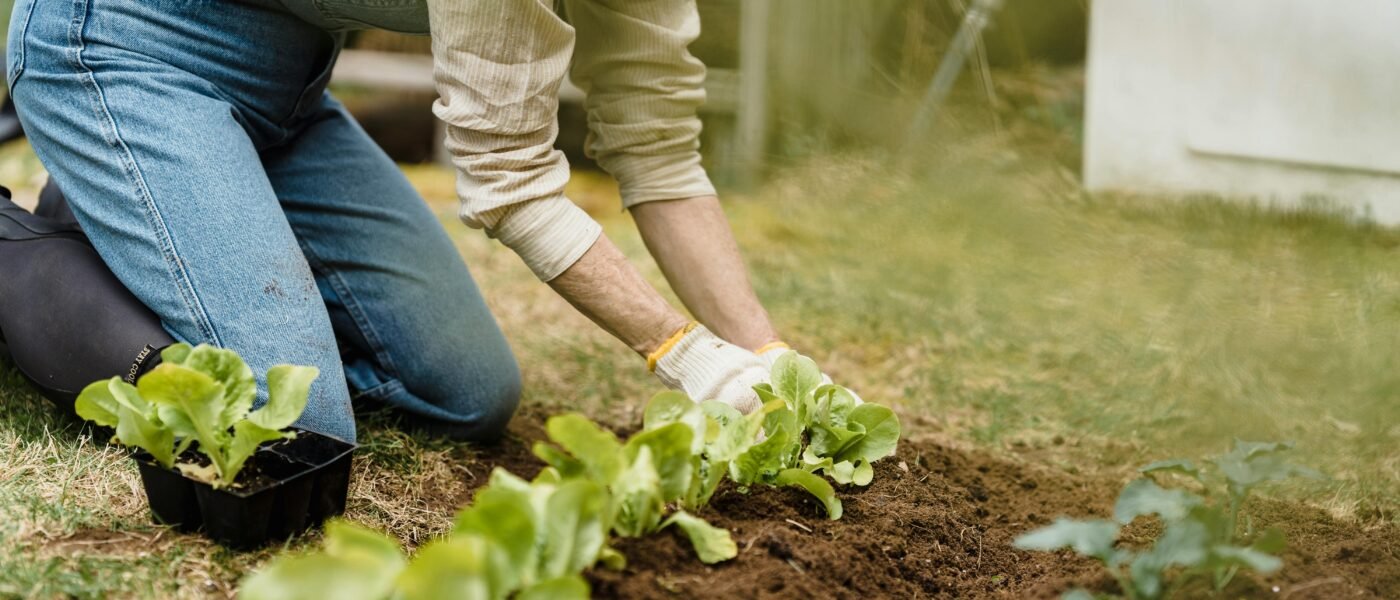
If your knees are telling you that kneeling in the garden is no longer an option, you are not alone. That was exactly where I found myself in the spring of 1992, after fifteen years of running a busy nursery. I had spent nearly a decade and a half bent over flats of petunias and tomatoes, and my body—especially my hands and hips—was done pretending otherwise. I remember staring at my traditional ground-level vegetable patch one morning, wondering if I had to choose between my garden and my mobility. That is when I first considered raised beds. Today, as someone who has lived with arthritis for decades and helped hundreds of senior gardeners transition to more comfortable setups, I want to give you the honest, practical answer to the question: raised bed vs ground gardening for seniors—which is truly better?
Why Raised Bed vs Ground Gardening for Seniors Matters
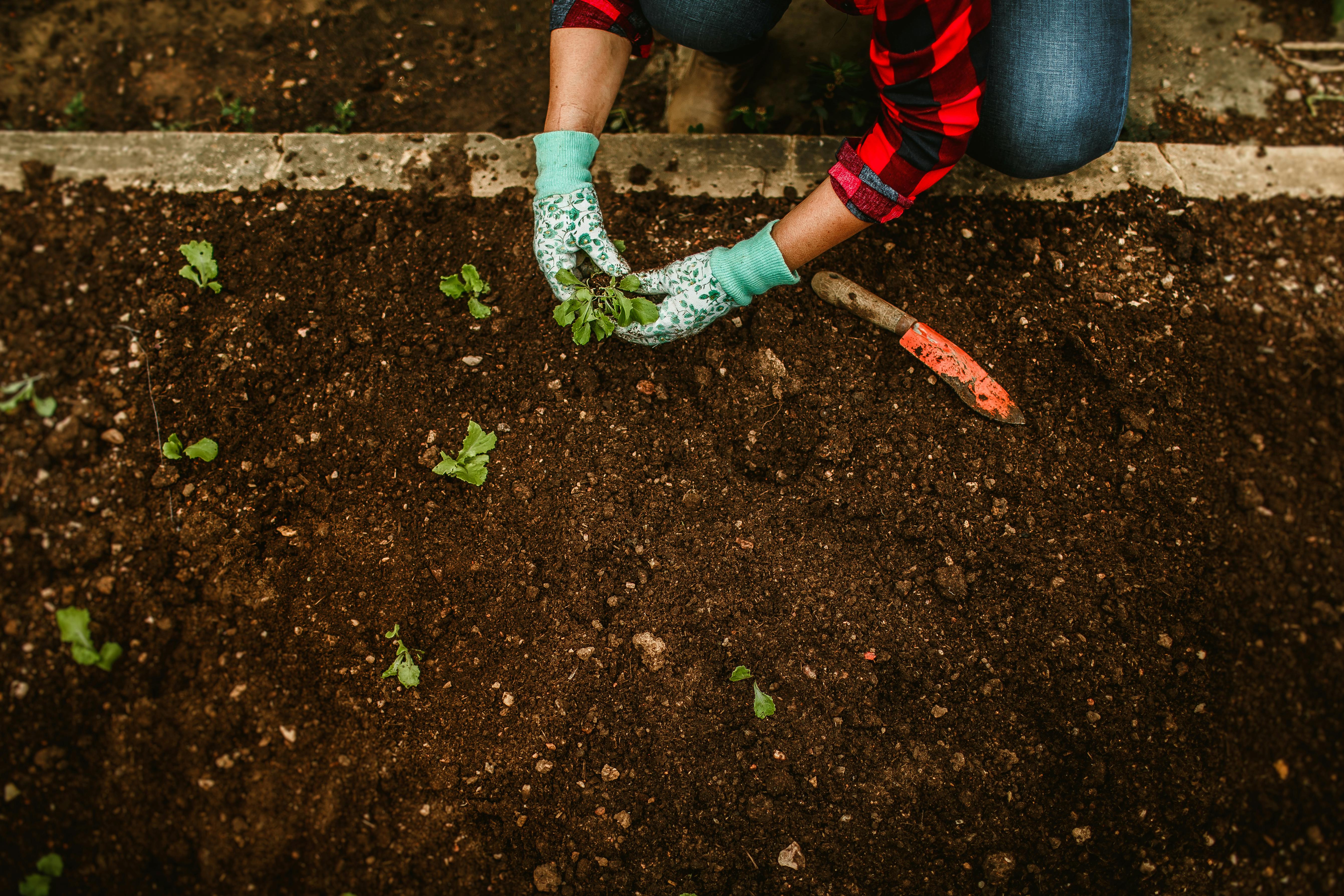
The debate between raised bed and ground gardening for seniors isn’t just about preference—it’s about sustainability. Can you keep gardening comfortably for another ten, twenty, or thirty years? The answer depends heavily on how you set up your garden. I learned this the hard way after my first season of ground gardening with arthritis. By August, I could barely close my hands around a trowel. Raised beds changed everything for me, but I also know ground gardening can work beautifully with the right modifications. Let me break down the real differences.
When we talk about raised bed vs ground gardening for seniors, we are really talking about three factors: height, accessibility, and soil management. Raised beds lift the soil to waist or hip level, eliminating most bending. Ground gardening keeps plants at ground level, which requires kneeling, squatting, or stooping. For a senior with arthritis, back pain, or limited mobility, this difference is monumental. However, ground gardening has advantages too—lower initial cost, less soil to buy, and easier access to native soil microorganisms. The key is matching the method to your specific physical needs.
The Physical Toll of Ground Gardening for Seniors
Let me be direct: if you have moderate to severe arthritis in your knees, hips, or lower back, traditional ground gardening will eventually become painful. I saw it happen to countless customers at my nursery between 1980 and 1995. They would come in with enthusiasm in April, and by June, they were buying garden stools and kneeling pads, hoping to buy one more season. The problem isn’t the gardening itself—it’s the constant bending and rising. Each squat or kneel puts pressure on joints that are already inflamed. I remember one gentleman, a retired teacher in his late seventies, who told me he spent more time trying to stand up from his garden patch than actually weeding. That is not a sustainable hobby.
Ground gardening does offer some benefits for seniors who are still relatively mobile. The soil stays cooler in summer, which means less watering. You also have direct access to earthworms and beneficial microbes that improve soil structure naturally. But these advantages come at a cost: your body. I advise any senior considering ground gardening to first spend ten minutes kneeling on a hard surface with a gardening task. If that sounds uncomfortable, raised beds are likely your better option.
Raised Bed Gardening: The Ergonomic Solution for Seniors
Raised beds are not a luxury—they are an investment in your ability to garden for years to come. When I built my first raised bed in 1993, I made it 24 inches high, which allowed me to sit on a stool and work comfortably without bending. That single change eliminated 90% of my gardening-related joint pain. For raised bed vs ground gardening for seniors, this is the central argument: height equals comfort. You can build raised beds at 12 inches for a slight lift, 18 inches for sitting while working, or 24 inches for standing work without stooping.
I recommend seniors start with beds that are at least 18 inches tall. This height accommodates most garden stools and allows you to work with your arms at a natural angle. The width should not exceed four feet, so you can reach the center from either side without overstretching. I also strongly suggest adding a lip or edge to sit on—something I learned after my first season of perching awkwardly on the side of my bed. Products like the Vego Garden 17-Inch Tall Raised Bed offer excellent height and durability, with a wide edge that doubles as a seat. For those with severe mobility issues, consider a Bedscape Elevated Planter that raises the soil to 30 inches—perfect for wheelchair users or anyone who cannot bend at all.
Soil Management in Raised Beds for Seniors
One concern I hear often about raised bed vs ground gardening for seniors is soil quality. Yes, you have to buy soil for raised beds, but that is actually an advantage. You control exactly what goes into your growing medium. I mix a blend of 60% topsoil, 30% compost, and 10% perlite or vermiculite for excellent drainage and nutrient content. This mix stays loose and easy to work, which matters when your hands ache. Ground soil, by contrast, often becomes compacted over time, requiring digging and tilling that can aggravate arthritis.
I also recommend adding a drip irrigation system to any raised bed. This eliminates the need to carry heavy watering cans or drag hoses. Products like the Raindrip Automatic Watering Kit are simple to install and can be set on a timer. For seniors, reducing repetitive tasks like hand-watering is one of the biggest quality-of-life improvements you can make. I learned this lesson after a particularly hot July when my hands swelled so badly I could barely turn a faucet.
Ground Gardening for Seniors: When It Still Makes Sense
Before you write off ground gardening entirely, let me offer a balanced perspective. For seniors who are still physically active and have good joint health, ground gardening can be perfectly viable—especially with the right tools. I have a friend who is 82 and still tends a large in-ground vegetable garden. Her secret? She uses a Kneeling Pad and Garden Stool Combo that converts from a kneeler to a seat. She also uses long-handled tools exclusively, so she rarely bends. For her, ground gardening provides better exercise and a deeper connection to the soil.
Ground gardening also makes sense if you have a limited budget. A single raised bed can cost $100 to $300 to build and fill, while ground gardening requires only a shovel and seeds. If you are physically able to kneel and rise safely, ground gardening can save significant money. However, I always caution seniors to be honest with themselves about their current and future physical capabilities. What feels fine at 65 may feel very different at 75. Planning ahead with raised beds can prevent a heartbreaking transition later.
Modifications for Ground Gardening with Arthritis
If you choose ground gardening, you must modify your approach. First, create wide paths between planting rows—at least three feet—so you can move freely without twisting. Second, use raised mounds or hills for planting, which lifts the soil slightly and reduces bending. Third, invest in ergonomic tools with padded grips and extended handles. The Fiskars Ergonomic Trowel with a swivel handle is a personal favorite; it lets you maintain a neutral wrist position while digging. I also recommend a Garden Scooter or Rolling Stool that lets you sit while moving along rows. These small changes transform ground gardening from a painful chore into an enjoyable activity.
For seniors with arthritis in their hands, I have one more piece of advice: avoid tools with thin metal or plastic handles. They force your fingers to grip tightly, which exacerbates joint pain. Look for tools with foam or rubber grips that are at least one inch in diameter. This simple change can reduce hand fatigue by 50% or more. I learned this after years of using standard trowels and wondering why my hands hurt so much by mid-season.
Raised Bed vs Ground Gardening for Seniors: A Side-by-Side Comparison
- Bending Required: Raised beds eliminate bending; ground gardening requires kneeling or squatting.
- Initial Cost: Raised beds cost $100-$500; ground gardening costs less than $50.
- Soil Control: Raised beds allow custom soil mixes; ground gardening relies on native soil.
- Water Efficiency: Raised beds drain faster and need more frequent watering; ground soil retains moisture longer.
- Accessibility: Raised beds accommodate stools, wheelchairs, and standing work; ground gardening requires mobility.
- Weed Pressure: Raised beds have fewer weeds initially; ground gardening often has more persistent weeds.
- Long-Term Sustainability: Raised beds are easier on joints for seniors; ground gardening may become painful over time.
For most seniors, raised beds win this comparison. But I want to emphasize that there is no wrong choice—only the choice that matches your current physical condition and future goals. If you are unsure, start with one small raised bed and see how your body responds. You can always add more next season.
Recommendations for Setting Up Your Senior-Friendly Garden
After fifteen years in the nursery business and another twenty-five gardening with arthritis, I have tested dozens of products and setups. Here are my top recommendations for seniors choosing between raised bed and ground gardening:
For Raised Bed Gardening:
- Vego Garden 17-Inch Tall Raised Bed – Durable metal construction, wide sitting edge, and modular design for easy expansion.
- Bedscape Elevated Planter – 30-inch height ideal for wheelchair users or those who cannot bend.
- Raindrip Automatic Watering Kit – Simple timer-based drip system that eliminates hand-watering.
- Fiskars Ergonomic Hand Trowel – Swivel handle reduces wrist strain.
For Ground Gardening:
- Garden Kneeler and Stool Combo – Converts from kneeling pad to seat, reducing strain on knees and back.
- Long-Handled Weeder and Cultivator Set – Extends reach so you can work standing.
- Rolling Garden Scooter – Allows seated movement along rows without standing repeatedly.
- Foam Grip Tool Covers – Add comfort to any existing tool handles.
One final piece of advice: whatever method you choose, prioritize your body over tradition. I cannot tell you how many seniors I met at my nursery who insisted on ground gardening because “that’s how my father did it.” They ended up quitting gardening entirely within a few years. The gardeners who adapted—who switched to raised beds, ergonomic tools, or container gardening—kept growing well into their eighties and nineties. The garden does not care how you tend it. Your body does.
For more detailed guidance on setting up an accessible garden, check out our Related Gardening Guide. And for authoritative information on managing arthritis while staying active, visit the Arthritis Foundation’s guide to gardening with arthritis.
Leave a Reply