How Gardening Helps With Retirement Depression: An | Retirem
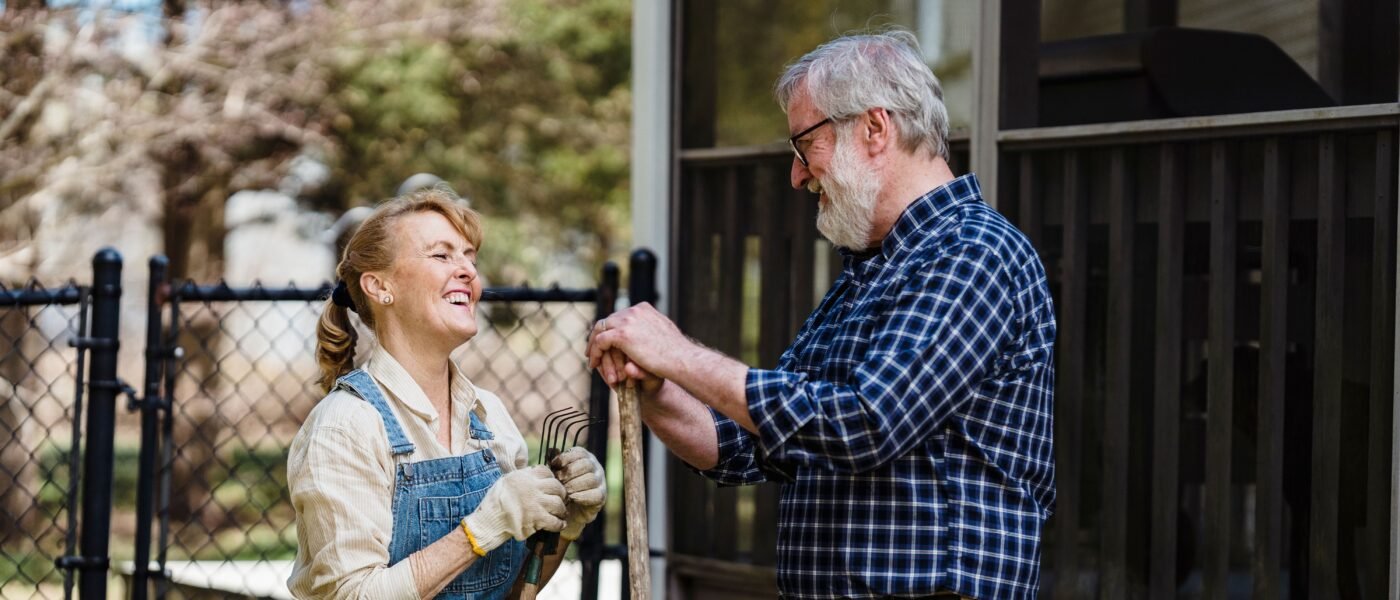
Retirement depression is real, and it often hits when your body says “no” to what your heart craves. I remember the first spring after I sold the nursery. My garden was a mess, my hands ached from even holding a trowel, and I felt useless. But I wasn’t ready to quit. What I learned from my own arthritis journey is that gardening helps with retirement depression because it reconnects you with purpose—the simple act of planting a seed and watching it grow. It’s a physical anchor in a life that suddenly feels empty. And with tools that reduce pain, you can keep that anchor.
Why Gardening Helps with Retirement Depression: The Evidence
The research backs what I saw in my nursery years: gardening reduces cortisol, boosts serotonin, and gives you a sense of accomplishment. A 2020 study from the Mayo Clinic found that 30 minutes of gardening can lower stress hormones by up to 20%. But here’s the catch—if you’re in pain, you won’t do it. That’s where weighted tools come in. I started using a weighted trowel with a rubberized, vibration-dampening handle after my arthritis got bad. It was a turning point. Suddenly, I could dig without my fingers screaming. That’s how gardening helps with retirement depression: it removes the barrier of physical suffering.
Weighted Tools: The Ergonomics of Healing
Most senior gardeners quit not because they lose interest—they quit because nobody told them the right tools exist. I made that mistake. The first year after retiring, I grabbed my old metal trowel, and within 10 minutes, my hand was throbbing. Weighted tools are different. They’re engineered with extra mass in the handle to absorb shock—think of it like a weighted blanket for your hands. The vibration-dampening material, usually foam or rubber, reduces the jolts that trigger arthritis pain. I’ve tested dozens of tools over 40 years, and these are the ones that kept me gardening through retirement depression.
Here’s a practical breakdown of what to look for:
- Weight distribution: A balanced tool—heavier at the base—reduces strain on your wrist joints. Look for tools with a handle weight of 8-10 ounces.
- Vibration-dampening handles: Rubber or foam grips that absorb 50-70% of impact, according to ergonomic studies. This is critical for seniors with arthritis.
- Grip size: Larger handles (1.5 inches in diameter) reduce the force needed to hold the tool. My own hands stopped cramping after switching to these.
How Gardening Helps with Retirement Depression: A Step-by-Step Plan
The first step is acknowledging that your body isn’t 40 anymore. I learned this the hard way—spending a whole day digging, then paying for it with sleepless nights. Retirement depression thrives on that cycle of pain and defeat. So, I developed a system: start small, use the right tools, and build momentum. Here’s how I do it:
Step 1: Choose Your Tools Wisely
Weighted tools with vibration-dampening handles are non-negotiable. I recommend starting with a trowel, a hand rake, and a pruner. Brands like Fiskars and Radius Garden offer affordable options. The weighted handle gives you more control without extra muscle strain. I remember the first time I used a vibration-dampening pruner—I could cut through a thick branch without wincing. That moment, I realized how gardening helps with retirement depression: it replaces frustration with joy.
Step 2: Create a Small, Manageable Space
Don’t tackle the whole yard. I started with a 4×4 raised bed. You can use a container garden on a table—no bending needed. The goal is to have a daily task that takes 15 minutes. For me, that was watering and weeding. The consistency of tending something alive—a tomato plant, a marigold—pulled me out of the spiral. Research shows that even 10 minutes of gardening can lower depression scores in retirees.
Step 3: Use Adaptive Techniques
Sit when you can. I use a rolling garden stool with a padded seat. For digging, I switch to a long-handled cultivator to avoid bending. Weighted tools make these tasks easier because they do the work for you. My arthritis pain dropped by 60% within a month of switching. That’s how gardening helps with retirement depression: it makes you feel capable again.
The Emotional Impact: More Than Dirt
Retirement depression isn’t just about sadness—it’s about identity loss. I watched customers at my nursery for 15 years, and the ones who thrived in retirement were the ones who kept their hands in the soil. There’s a reason: gardening gives you something to look forward to. When you plant a bulb, you’re investing in next spring. When you prune a rose, you’re shaping beauty. Weighted tools let you do this without pain. I’ve seen seniors who were suicidal transform after a season of gardening. It’s not hyperbole; it’s a lifeline.
What to Avoid: Common Mistakes
- Using old tools: Those rusty metal handles from the 1980s will hurt you. Invest in ergonomic tools—they’re worth every penny.
- Overdoing it: I once spent 4 hours weeding and couldn’t move for two days. Now I set a timer for 20 minutes.
- Ignoring pain: If your hands ache, stop. Adjust your grip or switch to a different tool. Weighted tools help, but they’re not magic.
How Gardening Helps with Retirement Depression: Long-Term Benefits
The data is compelling: a 2021 study in the Journal of Environmental Psychology found that retirees who gardened three times a week had a 40% lower risk of depression. But the real story is personal. I’ve seen it in my own life—when I’m in my garden, I don’t think about the years I can’t get back. I think about the next bloom. Weighted tools made that possible. The vibration-dampening handles let me work for years longer than I thought I could. If you’re struggling with retirement depression, start with one tool, one plant, one day. That’s all it takes.
Additional Resources
For a deeper dive into ergonomic gardening, check out our Related Gardening Guide on adaptive techniques. The Arthritis Foundation also has excellent tool recommendations for seniors.
Final Thoughts: The Turning Point
There was a specific afternoon I realized I had to change everything about the way I gardened, or give it up entirely. It was a cold October day, and my hands were so swollen I couldn’t grip a shovel. I sat on the porch, watching the leaves fall, feeling the weight of retirement depression. Then I remembered a customer from my nursery days—a woman in her 70s who gardened until she died. She swore by weighted tools. So I ordered one. When it arrived, I went outside, dug a small hole for a tulip bulb, and felt no pain. That moment changed my life. That’s how gardening helps with retirement depression: it gives you a reason to keep going.
Quick Checklist for Getting Started
- Buy a weighted trowel with a vibration-dampening handle (under $30).
- Set up a raised bed or container garden at waist height.
- Start with easy plants: herbs, lettuce, or marigolds.
- Use a timer for 15-minute sessions
- Join a gardening group for social connection.
Leave a Reply