Hydroponic Vs Soil Gardening For Senior Beginners: | Retirem
I made a painful mistake the first spring my arthritis got bad. I was 62, stubborn as a weed, and convinced that the only “real” garden was dug deep into the earth. I spent three hours on my knees with a trowel, convinced I could push through the stiffness. By dinner, my hands were swollen like overripe tomatoes, and my hips screamed for two days. That’s when I finally admitted to myself: I needed a different path. Hydroponic vs soil gardening for senior beginners wasn’t just a choice—it became a survival question for my passion.
After running a nursery through the 80s and 90s, I’d seen every fad come and go. But I never imagined I’d be the one needing to reinvent my own garden. My arthritis diagnosis at 58 forced me to look at every method through new eyes. What I discovered about hydroponic vs soil gardening for senior beginners completely changed how I work with plants today. Let me share what I’ve learned so you can avoid my aching mistakes.
Understanding the Core Difference: What Seniors Need to Know
At its simplest, soil gardening is what most of us grew up with—digging, planting, watering, weeding. Hydroponics grows plants in water with nutrient solutions, no dirt involved. But for senior beginners, the real question isn’t which produces bigger tomatoes. It’s which protects your body while still feeding your soul.
When I compare hydroponic vs soil gardening for senior beginners, I focus on three things: physical strain, learning curve, and long-term sustainability. Let’s break each down.
Physical Strain: The Arthritis Factor
Soil gardening demands bending, kneeling, lifting bags of potting mix, and repetitive trowel work. For someone with arthritis in the hands, hips, or knees—myself included—these movements can become a barrier. I remember the day I couldn’t grip a hand trowel anymore. I sat in my greenhouse and cried. Then I got angry, and then I got practical.
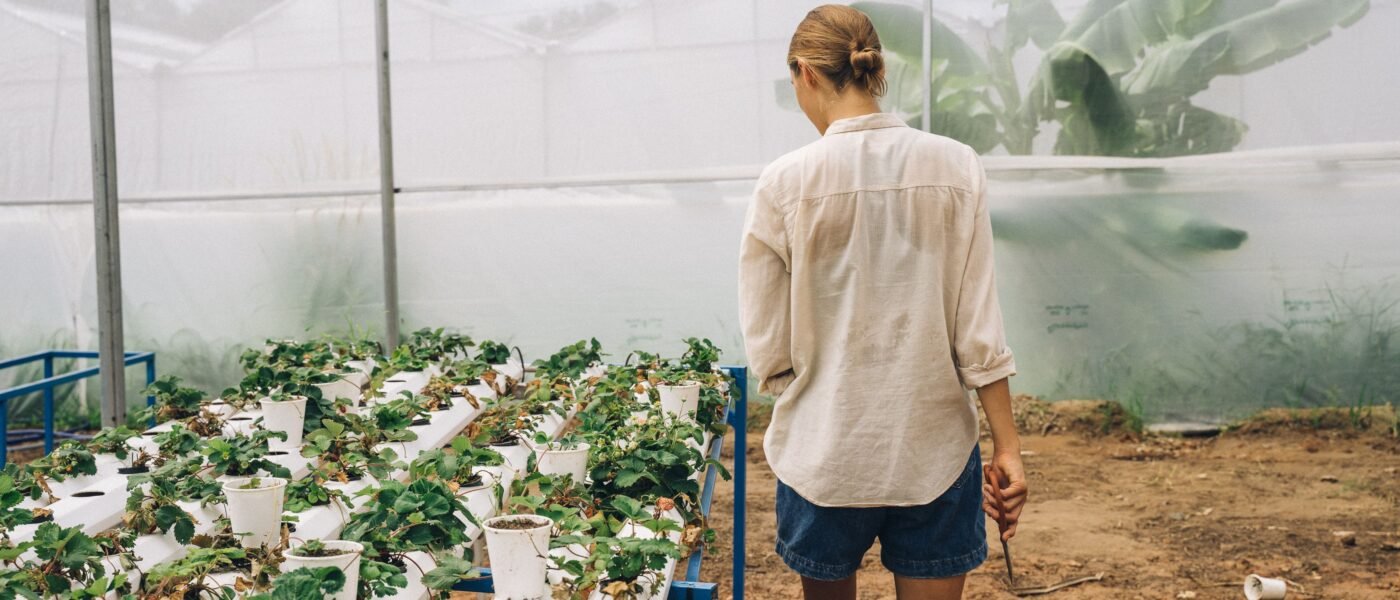
Hydroponic systems, especially vertical or tabletop designs, bring the garden to you. You can set them at waist height, sit on a stool, and never touch the ground. The heavy lifting is minimal—just mixing nutrient solutions and occasional cleaning. For my hands, that was a game-changer. According to the Arthritis Foundation, reducing repetitive joint stress is critical for managing symptoms. Hydroponics wins here for nearly every senior I’ve counseled.
Learning Curve: Which Is Gentler on the Mind?
Soil gardening is familiar. Most of us have seen our parents or grandparents do it. The learning curve is low because we already know the basics: water when dry, pull weeds, hope for rain. But familiarity can be a trap. Soil gardening has hidden complexities—pH fluctuations, soil-borne diseases, pest cycles, and weather dependency. For a senior beginner, these surprises can feel overwhelming when physical energy is already limited.
Hydroponics, on the other hand, sounds intimidating. Words like “pH meters” and “nutrient reservoirs” scared me at first. But here’s the truth I discovered: modern hydroponic kits for seniors are designed to be nearly foolproof. Many come with automated timers, self-circulating water, and simple instructions. You don’t need to be a scientist. You just need to follow a recipe. Once I set up my first small system, I actually found it easier than soil because there were fewer variables. No weeding. No digging. No guessing about drainage.
For hydroponic vs soil gardening for senior beginners, I’d say soil is easier to start without reading a manual, but hydroponics is easier to maintain once you learn the basics. If you’re willing to spend an hour learning, hydroponics becomes the simpler long-term choice.
The Ergonomic Reality: What My Aching Body Taught Me
Let me set a scene for you. It was a cold October morning, my hands aching, staring at 200 tulip bulbs still waiting to go in the ground. I had ordered them months earlier, full of hope. Now, the very thought of digging 200 holes made me want to cry. I forced myself to plant just ten bulbs that day. The rest rotted in their bag. That was the turning point.
I started researching alternatives and stumbled into hydroponics. I built a small tabletop system for lettuce and herbs. Within weeks, I noticed something: I wasn’t dreading garden time. I looked forward to it. No kneeling. No dirty fingernails that required scrubbing swollen joints. No heavy bags of soil. Just me, a stool, and happy plants.
The ergonomic advantages of hydroponics for seniors are profound. You control the height. You control the reach. You can garden in a small space—a balcony, a sunroom, even a kitchen counter. For those with mobility issues, this is a liberation. Soil gardening can become inaccessible as you age. Hydroponics adapts to you.
Cost and Setup: An Honest Comparison for Senior Budgets
Let’s talk money, because I know many seniors are on fixed incomes. Soil gardening is cheap to start. A bag of soil, some seeds, and a few pots cost under $50. But the ongoing costs for soil gardening can add up: fertilizers, pest controls, soil replacement, tools that break, and water bills during drought. Plus, the physical cost of your body—that’s not free either.
Hydroponic systems range from $50 for a simple Kratky jar setup to $300 for a quality automated system. But once you buy the system, ongoing costs are lower. Nutrients cost about $20 for a bottle that lasts months. No soil to buy. Less water waste. And no expensive tools. For a senior who wants to garden without breaking the bank or their back, a mid-range hydroponic system pays for itself in two seasons.
Maintenance: Which Method Wears You Out Less?
Soil gardening is constant. Watering daily, weeding weekly, checking for pests, amending soil each season. For a senior with arthritis, the cumulative strain is real. I used to spend two hours a day just watering and weeding my small vegetable patch. That’s time and energy I no longer have.
Hydroponics maintenance is periodic, not daily. You check nutrient levels once a week. Clean the system every month. Top off water as needed. Many systems have pumps that circulate water, so you’re not hauling buckets. My arthritis thanks me every time I walk past my soil garden and see weeds, then sit down at my hydroponic tower and pick fresh basil without bending.
Success Rates: Which Gives You More Confidence?
Nothing discourages a senior gardener faster than failure. I’ve seen it happen. You plant your first soil garden, the tomatoes get blight, the carrots don’t grow, and you feel like you’ve lost a part of yourself. Soil gardening has many failure points: overwatering, underwatering, poor soil, pests, weather. For a senior beginner, these can be crushing.
Hydroponics, especially indoor systems, eliminates most of those variables. Plants get consistent nutrients, water, and light. I’ve grown lettuce, herbs, and even cherry tomatoes with almost no failures. That success builds confidence. When you’re 70 and you see a thriving hydroponic garden, you feel capable. You feel young again.
My Verdict After Decades in the Dirt
If you’re a senior beginner asking hydroponic vs soil gardening for senior beginners, here’s my honest answer based on 15 years of nursery experience and 10 years of managing arthritis: start with hydroponics. It’s easier on your body, easier on your mind, and more reliable. You can always add a small soil patch later for nostalgia, but let hydroponics be your foundation.
I now run both systems in my home. My soil garden is a small raised bed I tend sparingly. My hydroponic tower gives me fresh greens year-round without pain. If I could go back to that cold October morning, I’d tell my younger self: “Let go of the dirt. The plants don’t care where they grow. Your body does.”
For more practical advice on setting up a senior-friendly garden, check out our Related Gardening Guide. Your garden should be a source of joy, not pain. Choose the method that lets you keep gardening for years to come.
Leave a Reply