Gardening with Vision Problems: Tools and Tips for Senior Gardeners
Gardening with Vision Problems: Essential Tools and Tips for Senior Gardeners
If you’re reading this because your garden has started to look a little blurry, or you’re struggling to tell a weed from a prized perennial at two feet, you are not alone. I remember the exact day I realized my eyes were no longer cooperating. I was deadheading roses and snipped off three perfect blooms instead of the spent ones. My fingers knew where the flowers were, but my eyes were playing tricks. That was the turning point. After running a nursery from 1980 to 1995 and spending decades on my knees, my hands and my eyes started to fail me simultaneously. Arthritis was one thing, but vision problems—whether from cataracts, macular degeneration, or simple age-related presbyopia—can make a senior gardener feel defeated before you even pick up a trowel. But I promise you, with the right tools and a few smart adjustments, you can keep gardening safely and joyfully.
Why Gardening with Vision Problems Demands a Different Approach
Most senior gardeners assume that slowing down is just part of getting older. They think squinting harder or memorizing the garden layout will suffice. After 15 years of running a nursery and managing my own arthritis, I disagree. Vision problems change how you interact with the garden. You can no longer rely on visual cues alone. You need tools that talk to your hands, not just your eyes. You need a system that accounts for reduced depth perception, contrast sensitivity, and glare. The good news? The market has finally caught up with us. From brightly colored handles to tactile markers, there are solutions that transform frustration into empowerment.
Let me walk you through the exact tools and techniques I use every season—and that I recommend to every senior gardener who walks into my old nursery’s legacy workshops.
Essential Tools for Senior Gardeners with Low Vision
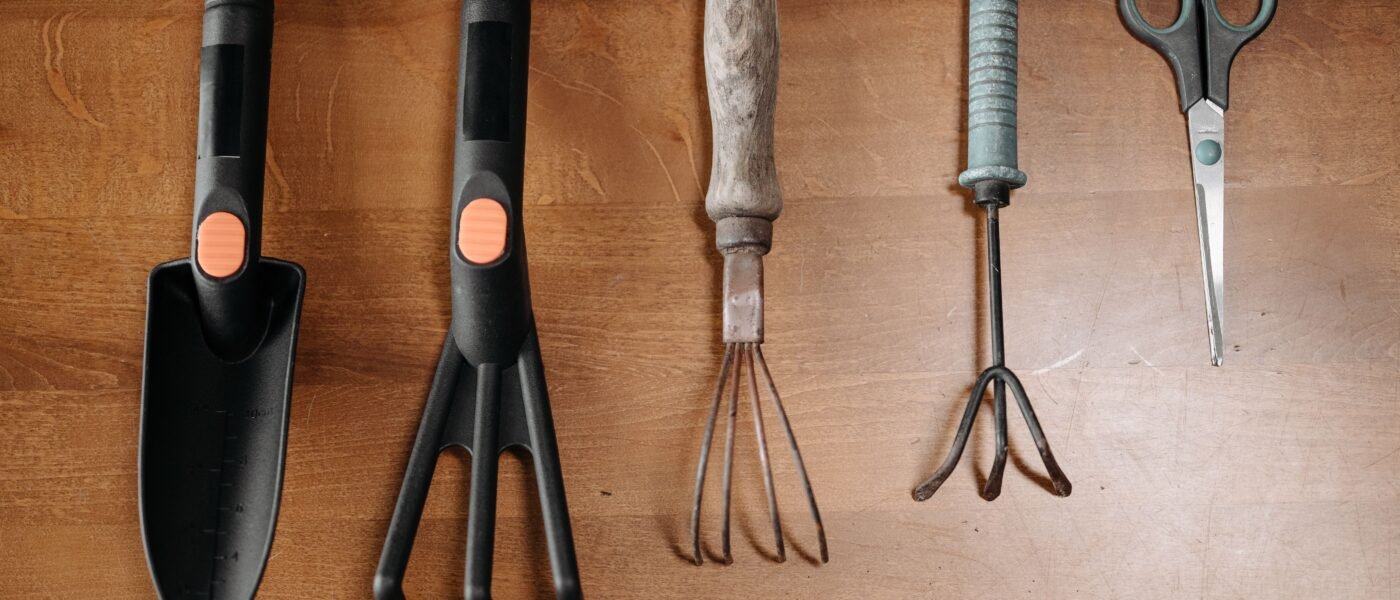
- High-Contrast Hand Tools: Look for trowels, cultivators, and pruners with bright yellow, orange, or white handles. These colors stand out against dark soil and green foliage. I personally love the Fiskars brand because their handles are ergonomic and vivid. Avoid black or dark green handles—they disappear in the garden.
- Tactile Markers and Labels: Instead of relying on tiny printed tags, use raised-letter plant markers or simple wooden stakes painted with a thick, contrasting color. I use a permanent marker to write the plant name in large block letters, then coat it with clear nail polish to protect from rain. You can also buy pre-made tactile labels with Braille or raised letters from specialty gardening supply stores.
- Long-Handled Tools with Texture: When you can’t see exactly where the soil meets the stem, a long-handled weeder or cultivator saves your back and your plants. Look for tools with foam grips or textured rubber—your fingers will memorize the tool’s position, reducing the need for visual confirmation.
- Magnifying Glasses and Headbands: A simple pair of magnifying glasses that clip onto your regular prescription glasses can be a game-changer for seed starting and inspecting leaves for pests. For hands-free work, a headband magnifier with an LED light is my go-to for early morning weeding when the light is dim.
- Glow-in-the-Dark or Reflective Garden Tape: Wrap a strip of reflective tape around watering wands, hose nozzles, and tool handles. This helps you locate them quickly when they’re lying on the ground. I stash a roll in my garden shed and replace the tape every spring.
Practical Winterization Advice for Tools and Vision Safety
One of the most overlooked aspects of gardening with vision problems is winterization. Cold weather compounds vision issues—low light, shorter days, and glare from snow can make a simple task like cleaning tools dangerous. Here’s my step-by-step approach, born from decades of trial and error.
Step 1: Clean Every Tool Before Storage
Dirt and sap harden on tools over winter, making them dull and harder to see. Rinse each tool with a hose, then scrub with a stiff brush dipped in a bucket of warm, soapy water. For stubborn rust, use a steel wool pad. This is the moment to inspect for cracks or loose handles—things you might miss in summer’s flurry. Working in good lighting is key. Set up a task lamp or work outside at midday when the sun is highest.
Step 2: Sanitize and Dry Thoroughly
To prevent disease spread, wipe down blades with rubbing alcohol or a 10% bleach solution. Then dry every tool completely with a clean cloth. Moisture is the enemy. I learned this the hard way when a favorite pruning shear rusted solid after a wet fall. For seniors with arthritis in their hands, consider using a heat gun on low setting or placing tools near a radiator—just keep them away from direct heat that could damage handles.
Step 3: Apply a Protective Coating
Rub a thin layer of linseed oil or mineral oil onto wooden handles and metal blades. This seals out moisture and keeps the tool moving smoothly. For extra visibility, I mix a few drops of fluorescent paint into the oil—now my tools glow under a porch light. Store them upright in a bucket or on a pegboard so you can easily grab the right one without searching.
Step 4: Organize by Color and Texture
If your vision is poor, don’t rely on labels. Group tools by handle color: all yellow-handled tools together, all red-handled together. Use a bucket liner or a piece of indoor-outdoor carpet to add texture to the storage area—your fingers will learn the layout faster than your eyes will read a sign. I keep a small, high-contrast diagram taped to my shed wall, showing exactly where each tool lives.
How to Garden Safely with Reduced Vision
Beyond tools, your technique matters. Here are my field-tested safety tips for senior gardeners navigating vision problems.
- Work in Short Bursts: Fatigue worsens visual focus. I set a timer for 20 minutes, then take a 5-minute break to rest my eyes and stretch my hands. This prevents the blurry haze that comes with exhaustion.
- Use a Kneeling Pad or Stool: When you can’t see the ground well, you’re prone to tripping. A padded kneeling pad or a rolling garden stool keeps you stable and close to the work. I prefer a stool with a backrest—it supports my spine and reduces the need to bend over, which can trigger vertigo in low-light conditions.
- Create Path Lighting: Solar path lights or reflective markers along garden edges help you navigate after dusk. I use white stones painted with glow-in-the-dark paint to mark the borders of my raised beds. This simple trick prevents accidental step-ons and keeps me oriented.
- Plant High-Contrast Flowers: Choose plants with bold, contrasting colors—yellow marigolds against dark green foliage, white alyssum along dark soil borders. This reduces the need to squint to identify what you’re tending.
When to Seek Professional Help
If you notice sudden changes in your vision—flashes, floaters, or loss of peripheral sight—stop gardening immediately and consult your doctor. Age-related macular degeneration is a leading cause of vision loss in seniors, and early intervention is critical. Your garden will wait; your eyesight won’t. For routine vision checks, schedule an annual eye exam and ask your optometrist about low-vision aids designed for outdoor hobbies. Many seniors are shocked to learn that simple adjustments like yellow-tinted lenses can dramatically improve contrast when gardening.
Final Thoughts from a Tired but Happy Gardener
I’ll be honest: gardening with vision problems is not the same as it was in my 40s when I could spot a single aphid from across the nursery. But it is still deeply rewarding. The key is to stop fighting your limitations and start working with them. Every time I reach for my bright orange trowel, I smile—because I can actually see it. Every time I use a tactile label instead of squinting at a faded tag, I feel a small victory. You can have that same victory. Your garden doesn’t need perfect vision. It needs your hands, your heart, and a few smart adjustments. Start with one tool from this list. You’ll be amazed at the difference.
For more guidance on adapting your garden to your changing body, check out our Related Gardening Guide on ergonomic tool selection for seniors.
Leave a Reply