Container Vegetable Gardening for Senior Apartment Dwellers
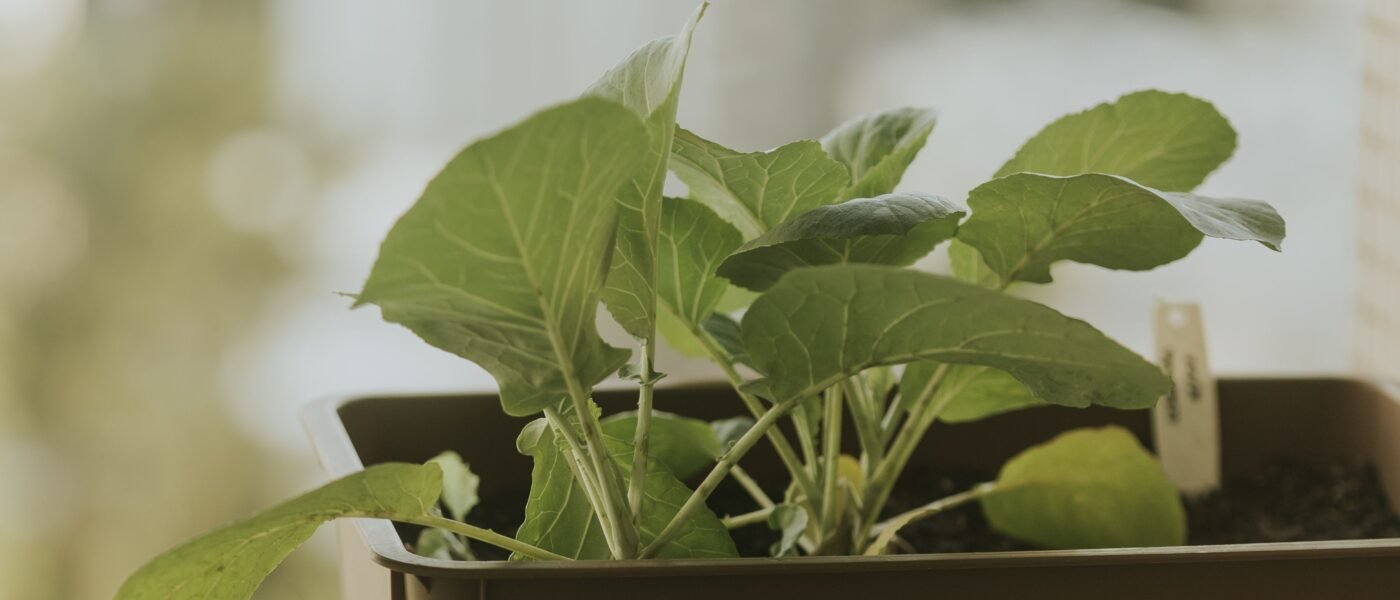
Container Vegetable Gardening for Senior Apartment Dwellers: A Life-Saving Strategy for Your Hands and Knees
If your knees are telling you that kneeling in the garden is no longer an option, you are not alone. I remember the morning I sat on my apartment balcony, staring at a single tomato seedling in a pot, and wondering if my gardening days were truly over. After 15 years running a nursery from 1980 to 1995, I thought I knew every trick in the book. But when arthritis settled into my hands and hips, the old rules no longer applied. Container vegetable gardening for senior apartment dwellers became not just a hobby—it became my lifeline to staying connected to the soil.
The truth is, most senior gardeners quit not because they lose interest, but because nobody tells them the right tools exist. Over the years, I have tested every contraption, every pot, and every gadget designed to make gardening easier. Some are gimmicks. Others are genuinely life-changing. In this guide, I will share the two tools that transformed my container garden: the auger drill bit and long-handled planters. These are not just conveniences—they are ergonomic necessities.
Why Container Vegetable Gardening for Senior Apartment Dwellers Works
Container gardening sidesteps the two biggest physical barriers for seniors: bending and kneeling. When you grow in pots, the soil comes to you. You can position containers on tables, benches, or wheeled carts at waist height. No more crawling along the ground. No more straining your lower back. For apartment dwellers, this is especially powerful because space is limited. A balcony, patio, or even a sunny windowsill can yield a surprising harvest.
I personally transitioned to containers when my hip began locking up after just ten minutes of kneeling. Within a season, I was growing tomatoes, peppers, lettuce, and herbs in five-gallon pots on a rolling cart. My arthritis pain dropped significantly because I was no longer fighting gravity. This is the core promise of container vegetable gardening for senior apartment dwellers: you control the environment, not the other way around.
The Auger Drill Bit: Your Secret Weapon for Soil Preparation
Let me tell you about the tool that saved my hands. When I first started container gardening, I would spend an hour mixing soil, compost, and amendments by hand. My wrists would ache for days. Then I discovered the auger drill bit. This simple attachment fits into any standard power drill and mixes soil in seconds. I attach it to a lightweight cordless drill, plunge it into the pot, and let the auger do the work. No stirring, no scooping, no pain.
I made a painful mistake the first spring my arthritis got bad. I tried to mix a large batch of potting soil by hand using a trowel. My knuckles swelled so badly I could not grip the drill for a week. Now, I never mix soil without my auger. It spares my wrists and reduces the time spent on tedious tasks. For container vegetable gardening for senior apartment dwellers, this tool is non-negotiable. It turns a chore into a quick, satisfying task.
Beyond soil mixing, the auger is also excellent for drilling drainage holes in plastic pots. Many containers sold for gardening lack adequate drainage. With the auger, I can create holes in seconds without straining my hands. This prevents waterlogged roots, which is the number one killer of container vegetables. I recommend a 3-inch or 4-inch spiral auger bit. Look for one with a hex shaft that fits securely in your drill. Trust me, your hands will thank you.
Long-Handled Planters: Reaching Without Bending
The second hero of my container garden is the long-handled planter. This tool looks like a long stick with a claw or scoop at the end. You stand upright, squeeze the handle, and the claw opens. Release it, and it closes around a plant or soil. I use mine for transplanting seedlings, turning soil, and even harvesting without bending over. For apartment dwellers, this is a game changer because containers are often at different heights. Long-handled planters eliminate the need to crouch or stretch.
I recall a cold October morning when I was planting garlic cloves in a deep pot. My back was already stiff from the previous day. With my long-handled planter, I dug a hole, dropped in the clove, and covered it—all while standing upright. That moment was a turning point. I realized that container vegetable gardening for senior apartment dwellers is not about fighting your body; it is about using tools that work with it. Long-handled planters allow you to maintain proper posture, which reduces strain on your spine and knees.
When choosing a long-handled planter, look for one with a cushioned grip and a lightweight shaft. Aluminum or fiberglass handles are best. Avoid heavy steel versions that fatigue your arm. I prefer models with a trigger-style squeeze mechanism, as they require less hand strength than pull-wire designs. Pair this tool with a small garden stool, and you have an ergonomic setup that protects your joints for years to come.
Practical Setup for Container Vegetable Gardening for Senior Apartment Dwellers
Setting up a container garden in an apartment requires planning. You need to consider sunlight, water access, and weight. Balconies can hold heavy pots, but you must check weight limits. I recommend using lightweight plastic or fabric pots. Fabric grow bags are excellent because they breathe and are easy to move. They also fold flat for storage.
Position your containers on a rolling cart or a sturdy table. This brings them to waist height and allows you to move them to follow the sun. For vegetables like lettuce and herbs, six hours of direct sunlight is sufficient. For tomatoes and peppers, aim for eight hours. If your balcony is shaded, consider a small grow light. I use one on cloudy days and it works wonders.
Watering is another challenge. Heavy watering cans strain your wrists and shoulders. Instead, use a lightweight watering wand with a trigger nozzle. Attach it to a short hose or a drip system. For container vegetable gardening for senior apartment dwellers, a drip irrigation kit is a worthwhile investment. It delivers water directly to the soil, reducing bending and carrying. I installed a simple timer on my system, and now watering is completely hands-off.
Vegetables That Thrive in Containers
Not all vegetables are suited for pots. Choose compact varieties bred for containers. Here are my top five recommendations based on decades of trial and error:
- Cherry tomatoes – Patio or Tumbling Tom varieties produce well in 5-gallon pots. They do not need staking if you use a cage.
- Leaf lettuce – Cut-and-come-again varieties like Black Seeded Simpson grow quickly in shallow pots. Harvest by snipping leaves with scissors.
- Peppers – Bell peppers and hot peppers thrive in 3-gallon pots. They need warm soil, so place them in full sun.
- Bush beans – Varieties like Provider or Contender grow in 2-gallon pots. They do not need trellising.
- Herbs – Basil, parsley, and chives grow in small pots on a windowsill. They add flavor and fragrance without taking space.
These vegetables are forgiving and require minimal maintenance. For senior apartment dwellers, they provide a steady harvest without overwhelming physical demands. I also recommend growing vertical. Use a trellis or a tomato cage to maximize space. This keeps plants off the ground and easier to reach.
Ergonomic Tips for Pain-Free Gardening
Container vegetable gardening for senior apartment dwellers is about more than tools—it is about technique. Here are ergonomic practices I have learned through my own arthritis journey:
First, warm up your hands and wrists before gardening. Do simple stretches like opening and closing your fists, rotating your wrists, and shaking out your fingers. I do these for two minutes before I start. It reduces stiffness and prevents injury.
Second, use a garden stool or a rolling seat. Even with long-handled planters, you may need to sit for tasks like pruning or inspecting leaves. A stool keeps your back straight and your knees bent at 90 degrees. I keep one near my containers at all times.
Third, take breaks every 15 minutes. Set a timer if necessary. Stand up, stretch your arms overhead, and walk a few steps. Gardening should not be a marathon. For seniors, short sessions are more productive than long ones.
Finally, listen to your body. If a task hurts, stop and find a different approach. There is always a workaround. For example, if lifting a full watering can is too much, switch to a drip system. If mixing soil hurts, use the auger. The goal is to enjoy the process, not to prove something.
Common Mistakes to Avoid
Over the years, I have watched many seniors give up on container vegetable gardening for senior apartment dwellers because of avoidable mistakes. The most common is overwatering. Containers dry out faster than garden beds, but they also hold water if drainage is poor. Always use pots with drainage holes and a saucer to catch excess water. Check soil moisture by sticking your finger an inch deep. Water only when it feels dry.
Another mistake is using garden soil instead of potting mix. Garden soil is too heavy for containers. It compacts and suffocates roots. Use a high-quality potting mix that contains perlite or vermiculite for aeration. I mix in a handful of compost for nutrients, but that is optional.
A third error is neglecting to fertilize. Container plants need regular feeding because nutrients leach out with watering. Use a balanced liquid fertilizer every two weeks during the growing season. I prefer slow-release granules that I mix into the soil at planting time. They reduce the need for frequent applications.
Internal and External Resources
For more detailed guidance on specific vegetables, see our Related Gardening Guide on compact varieties. Additionally, the Arthritis Foundation offers excellent advice on joint-friendly gardening techniques. Their research aligns with what I have learned through personal experience: the right tools and posture can keep you gardening for decades.
Final Thoughts from a Seasoned Gardener
Container vegetable gardening for senior apartment dwellers is not a compromise—it is an upgrade. It removes the barriers that age and arthritis create. With an auger drill bit and long-handled planters, you can prepare soil, transplant seedlings, and harvest vegetables without pain. Your balcony or patio becomes a sanctuary of fresh produce and quiet satisfaction.
I tell every senior who hesitates: do not let your body dictate what you can grow. Adapt, not abandon. The tools exist. The methods exist. All you need is the willingness to try. After 15 years in the nursery business and another two decades gardening with arthritis, I can assure you that container gardening is the most liberating path forward. Start small, equip yourself with the right tools, and watch your garden thrive.
Leave a Reply