Metal Vs Wood Raised Garden Beds For Seniors: Whic | Retirem
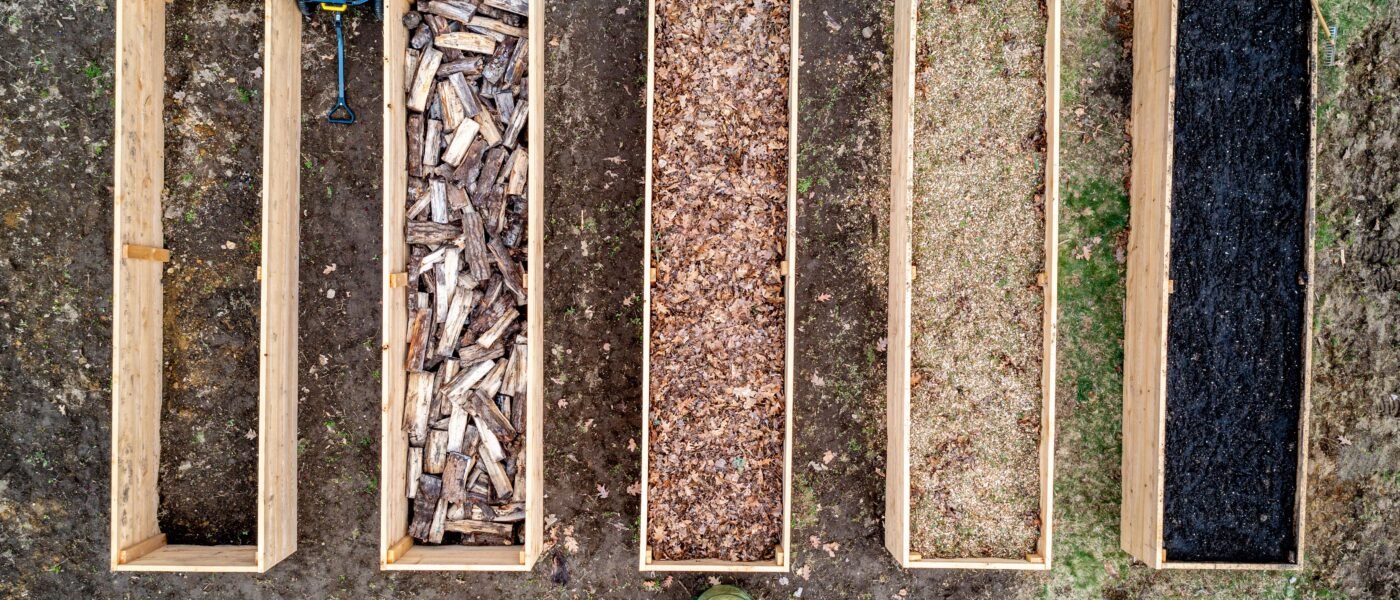
Let me be clear from the start: I’ve been on both sides of this fence. Back in my nursery days, I sold thousands of cedar and redwood raised beds to eager gardeners. I also watched them come back within three years, warped and splitting, while the customers who invested in galvanized steel beds were still growing tomatoes a decade later. My own journey with arthritis taught me a hard truth: wood looks warm and inviting, but metal is the ergonomic, long-term winner for seniors who want to garden without constant repairs. This isn’t about aesthetics—it’s about saving your hands, your back, and your budget over time.
Why Metal Raised Garden Beds Last Longer for Seniors with Arthritis
When I first switched to a galvanized steel raised bed five years ago, I thought I was sacrificing charm for practicality. I was wrong. The bed I installed has zero rot, zero rust spots, and zero maintenance. My cedar bed from the same year? I replaced it last spring. For seniors, the durability of metal isn’t just a convenience—it’s a safety issue. Wobbly, rotting wood can collapse under the weight of wet soil, causing a fall hazard. Metal beds, especially those made from 22-gauge or thicker galvanized steel, can easily last 15-20 years without structural failure. That’s three to four times longer than even pressure-treated wood, and it requires zero physical effort to maintain.
I remember a customer in her late 70s named Margaret who came into my nursery in 1992. She had severe rheumatoid arthritis and wanted a raised bed that would outlive her. I steered her toward a cedar kit because that’s what we carried. She called me two years later, frustrated, because the corners had separated and she couldn’t tighten the screws with her hands. I felt terrible. If I’d known then what I know now, I would have told her to find a metal bed with bolted corners. That lesson stayed with me for decades. Now, with my own creaky joints, I understand: a bed that doesn’t need tightening, staining, or replacing is a bed that keeps you gardening.
How Wood Raised Garden Beds Can Still Work—If You Choose Carefully
I’m not here to bash wood entirely. There are some excellent options, especially for seniors who prioritize aesthetics or have limited budgets. Cedar and redwood are naturally rot-resistant and can last 5-7 years in dry climates. Pressure-treated pine, when modern ACQ (alkaline copper quat) formulations are used, can last 8-10 years. But here’s the catch: wood beds require annual inspection for rot, splitting, and insect damage. For seniors with arthritis, bending down to inspect every corner of a bed can be painful and difficult. I’ve had to kneel on a foam pad to check the underside of my wood bed, and let me tell you, that’s not ergonomic gardening. Wood also expands and contracts with moisture, which can loosen screws over time—another repair task that’s hard on arthritic hands.
That said, if you live in a very dry climate like the Southwest, wood can last longer than in humid regions. I had a customer in Arizona who got 12 years out of a cedar bed because it rarely got wet. But for most of us in temperate or humid zones, wood is a ticking clock. And when it fails, it’s heavy, splintered, and hard to remove. Metal beds, by contrast, can be disassembled and recycled with minimal effort.
The Hidden Cost Comparison: Your Time and Energy
Let’s talk about the real cost of a raised garden bed for seniors: not the price tag, but the physical energy required to maintain it. A quality metal bed might cost $100-$200 more upfront than a wood kit, but it saves you hours of labor every year. I calculated that my cedar bed required about 3 hours of maintenance per season—tightening screws, replacing a rotted board, staining the exterior. Multiply that by 10 years, and that’s 30 hours of work. My metal bed? Zero. For someone with arthritis, those 30 hours are precious. They could be spent actually gardening—planting, harvesting, enjoying the hobby that keeps you active and healthy.
There’s also the ergonomic factor. Metal beds are often lighter than wood beds of the same size, making them easier to move or reposition if you need to adjust your garden layout. I’ve repositioned my metal bed twice by myself, using a dolly and my arthritic hands. I couldn’t have done that with a wet, heavy wood bed. And because metal doesn’t warp, the sides remain straight, which means you can attach trellises, netting, or drip irrigation systems without worrying about structural failure.
What About Rust? My Honest Answer
The biggest fear seniors have about metal beds is rust. I understand it—I had the same worry. But modern galvanized steel is incredibly resistant. The zinc coating protects the steel, and even if a scratch exposes the metal, the galvanization process creates a sacrificial layer that slows rust dramatically. In my experience, a quality metal bed (like those from reputable manufacturers) will show surface rust only after 10+ years, and even then, it’s cosmetic. I’ve seen 20-year-old metal beds still structurally sound. Compare that to wood, which rots from the inside out and can suddenly collapse when you least expect it.
For seniors, I recommend metal beds with a powder-coated finish for extra protection. The coating adds a barrier against scratches and makes the bed easier to clean. Avoid cheap, thin-gauge metal beds (less than 24-gauge) that can dent or rust quickly. Stick with 22-gauge or thicker, and you’ll have a bed that outlasts your gardening years.
Ergonomic Design: Which Material Is Easier on Your Body?
This is where metal truly shines. Wood beds often have sharp edges, rough surfaces, and protruding screws that can catch on gloves or skin. For seniors with arthritis, gripping a rough wood edge to lean on while planting can be painful. Metal beds, especially those with rolled or rounded edges, offer a smooth, comfortable surface to brace against. I lean on my metal bed all the time when I’m weeding or harvesting, and it doesn’t dig into my hands the way wood does.
Metal beds are also easier to clean. A quick spray with a hose removes soil and debris, whereas wood absorbs moisture and can develop mold or moss that requires scrubbing. For seniors with limited hand strength, scrubbing a wood bed is a miserable chore. Metal is maintenance-free in this regard.
One more note: metal beds tend to have a more uniform height than wood beds, which can vary due to warping. Consistent height is critical for seniors using ergonomic tools or sitting on rolling garden stools. I’ve fallen off my stool because a warped wood bed caused an uneven edge. Metal beds stay level, which is a safety feature you don’t think about until you need it.
My Final Recommendation: The 5-Year Test
Here’s the practical test I recommend to every senior gardener: ask yourself, “Can I physically maintain this bed for the next five years?” If you have arthritis, back pain, or limited mobility, the answer is almost always no for wood. Wood requires annual inspections, occasional repairs, and eventual replacement. Metal requires nothing but soil and seeds. I’ve had my metal bed for five years now, and it looks exactly the same as the day I installed it. My hands are grateful every time I walk past it without needing to tighten a screw or sand a rough spot.
If you’re on a tight budget and must choose wood, go with cedar or redwood and plan to replace it in 5-7 years. But if you can stretch your budget just a little, invest in a quality galvanized steel bed. It will be the last raised bed you ever buy. And honestly, isn’t that what you want—to spend your time gardening, not fixing?
For more ergonomic gardening tips, check out our Related Gardening Guide. And if you’re considering automated watering systems to save your hands even more, the Arthritis Foundation has excellent resources on adaptive equipment for gardeners: Gardening with Arthritis Tips.
The Bed That Lasts Longest Is the One You Don’t Have to Replace
I learned this lesson the hard way, on my knees in a wet garden, trying to save a rotting cedar bed. Don’t make my mistake. Metal raised garden beds for seniors are not just a trend—they’re a practical, ergonomic solution that respects your body and your time. Wood has its place, but for lasting durability with minimal maintenance, metal is the clear winner. Your joints will thank you, and your garden will thrive for years to come.
Happy gardening, and remember: the best tool is the one that lets you keep doing what you love.
Leave a Reply