Self-Watering Planter Vs Regular Pot: Which Is Bet | Retirem
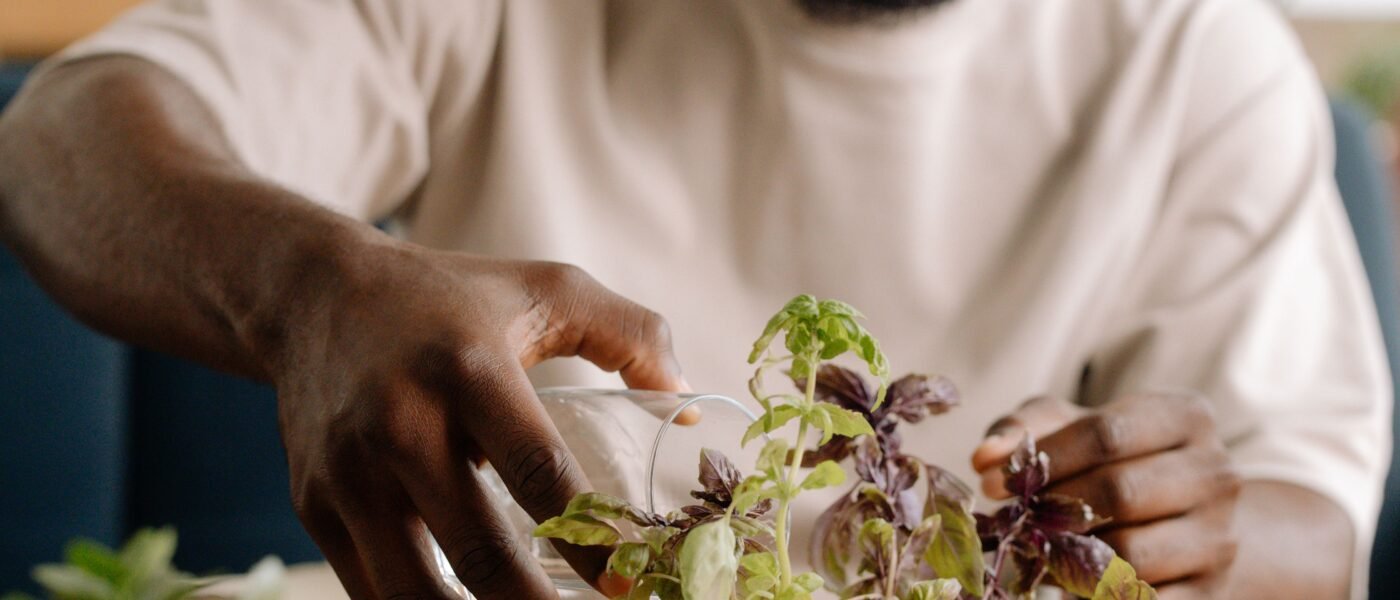
Gardening should be a joy, not a chore that leaves you aching. In my nursery years, I watched seniors buy heavy ceramic pots, struggle with daily watering, and eventually give up. That broke my heart. Now, with decades of personal experience managing arthritis, I know that the right container can transform your garden from a source of pain into a sanctuary of ease. Let’s dig into the self-watering planter vs regular pot question, and I’ll give you the honest, practical advice you need.
What Is a Self-Watering Planter?
A self-watering planter is a container with a built-in reservoir at the bottom. You fill the reservoir through a tube or opening, and the plant draws water up through the soil as needed. This system reduces the frequency of watering and helps maintain consistent moisture. For seniors, this means less bending, less lifting, and fewer trips to the hose.
Regular pots, on the other hand, rely on you to water from the top. They drain through holes in the bottom, which means water can pool or wash away nutrients. Both have their place, but when we talk about self-watering planter vs regular pot, the needs of aging bodies shift the balance.
Why Self-Watering Planters Are a Game-Changer for Seniors
I remember the first time I tried a self-watering planter. It was a rainy spring afternoon, and my hands were too stiff to hold the watering can steady. I filled the reservoir, set it on my patio table, and walked away. A week later, my tomatoes were thriving—no daily watering required. That was the turning point. For seniors, the benefits are profound:
- Reduced physical strain: No more lifting heavy watering cans or bending over pots. The reservoir can be filled once every few days, depending on the plant and climate.
- Consistent moisture: Arthritis doesn’t care about your watering schedule. Self-watering planters keep soil evenly moist, which is critical for plants like herbs, ferns, and vegetables.
- Less weeding: Because the soil surface stays drier, weed seeds are less likely to germinate. That’s one less chore for your knees.
- Portability options: Many self-watering planters come with wheels or lightweight materials, making them easy to move as the sun shifts.
One senior customer at the nursery—let’s call her Margaret—switched to self-watering planters after a hip replacement. She told me she could finally grow petunias again without worrying about overwatering or forgetting. That kind of independence is priceless.
The Case for Regular Pots: When They Still Work
Now, I’m not here to bash regular pots. They have their strengths, especially if you’re starting small or have limited space. A regular terracotta pot is classic, inexpensive, and perfect for plants that prefer drier conditions, like succulents or cacti. But let’s be honest about what they demand from a senior gardener.
- Daily attention: Regular pots need frequent watering, especially in warm weather. For someone with arthritis or limited mobility, this can become a burden.
- Weight issues: Large ceramic or clay pots are heavy—even empty. Lifting them can strain your back or hands.
- Drainage problems: If you forget to check the saucer, water can sit and rot roots. Or you might underwater and stress the plant.
I’ve seen too many seniors give up gardening entirely because they couldn’t keep up with regular pots. That’s why I recommend a hybrid approach: use regular pots for low-maintenance plants like snake plants or aloe, and self-watering planters for anything that needs consistent care. This way, you still enjoy the look of traditional pots without the physical toll.
Self-Watering Planter vs Regular Pot: A Side-by-Side Comparison
Let’s break this down into the factors that matter most to seniors. I’ve tested both types extensively—my own garden is a mix of the two—and here’s what I’ve found:
| Factor | Self-Watering Planter | Regular Pot |
|---|---|---|
| Watering frequency | Every 3-7 days | Daily or every other day |
| Physical effort | Low—fill reservoir from a jug | High—lift, bend, pour |
| Weight | Lighter (plastic or resin) | Heavy (ceramic, clay) |
| Cost | Higher upfront ($20-$50+) | Lower ($5-$20) |
| Best for | Vegetables, herbs, ferns | Succulents, cacti, seasonal flowers |
| Maintenance | Clean reservoir every 2-3 months | Check drainage holes |
Notice a pattern? The self-watering planter wins on convenience and comfort. But cost can be a barrier for some retirees. If you’re on a fixed income, start with one or two self-watering planters for your most loved plants, and stick with regular pots for the rest.
How to Choose the Right Self-Watering Planter for Your Needs
Not all self-watering planters are created equal. I’ve tried cheap models that leaked or clogged, and I’ve used high-end ones that lasted for years. Here’s what to look for:
- Material: Lightweight plastic or resin is easiest to move. Avoid heavy glazed ceramic unless it has wheels.
- Reservoir size: A larger reservoir means less frequent refilling. Look for at least 1-2 gallons of capacity for outdoor plants.
- Wicking system: Some use a cotton wick, others use a perforated insert. The wick type is more reliable for even moisture.
- Accessibility: Choose a planter with a fill tube that’s easy to reach without bending. Some have a side opening for a watering can.
I personally prefer models with a clear water level indicator. That way, I don’t have to guess whether the reservoir is empty—my eyes tell me. For seniors with vision issues, this is a small but critical feature.
Practical Tips for Seniors Transitioning to Self-Watering Planters
Making the switch doesn’t have to be overwhelming. Here’s a step-by-step approach based on my own experience:
- Start small: Replace one regular pot with a self-watering planter. I suggest a container for a tomato plant or a basil bush—both are forgiving.
- Use lightweight soil: Regular potting mix works, but add perlite or coconut coir to improve aeration. This helps prevent root rot in the reservoir.
- Monitor the reservoir: In hot weather, check every three days. In cool weather, once a week is enough. Overfilling can drown plants.
- Elevate the planter: Place it on a rolling cart or a sturdy table to avoid bending. Your back will thank you.
- Learn from mistakes: I once forgot to clean the reservoir and got algae. A quick rinse with a mild bleach solution fixed it.
For those who prefer traditional pots, consider adding a Related Gardening Guide on ergonomic tools to reduce strain. Small changes like a long-handled watering wand can make a big difference.
Health Benefits of Easier Gardening
Gardening is good for seniors—it reduces stress, improves mood, and provides gentle exercise. But only if you can do it comfortably. The self-watering planter vs regular pot decision directly affects your physical health. According to the Arthritis Foundation, repetitive bending and heavy lifting can exacerbate joint pain. Switching to self-watering planters reduces these risks, allowing you to garden longer and with less pain.
I’ve seen it in my own life. Before I made the switch, my hands would ache after just 15 minutes of watering. Now, I can spend an hour pruning or deadheading without discomfort. That’s not just a convenience—it’s a quality-of-life improvement.
Addressing Common Concerns About Self-Watering Planters
Some seniors worry that self-watering planters are too complicated or expensive. Let me debunk those myths:
- Myth: They’re hard to set up. Reality: Most come pre-assembled or with simple instructions. I set up my first one in less than 10 minutes.
- Myth: They’ll drown plants. Reality: As long as the drainage layer works, plants get just what they need. Avoid overfilling, and you’re fine.
- Myth: They’re only for indoors. Reality: Many are UV-resistant and designed for outdoor use. I use mine on my patio year-round.
If cost is a concern, consider repurposing a large plastic container with a wick system. There are DIY tutorials online, but I prefer buying a reliable brand for peace of mind. One good self-watering planter can last a decade with proper care.
Final Verdict: Which Is Better for Seniors?
After 15 years in the nursery business and another 20 managing my own arthritis, I can say this: for most seniors, the self-watering planter is the better choice. It reduces physical strain, simplifies plant care, and extends your gardening season. Regular pots still have a place—especially for plants that love dry soil—but they demand more from your body.
Here’s my personal rule: if you have arthritis, back pain, or limited mobility, invest in at least two self-watering planters. Use them for your favorite flowers or vegetables that need steady care. Keep regular pots for hardy succulents that can tolerate neglect. This balance gives you the best of both worlds without overwhelming yourself.
Remember, gardening is not a race. It’s about the joy of watching something grow—and that joy shouldn’t come with a price tag of pain. The self-watering planter vs regular pot debate isn’t about which is “better” in an absolute sense. It’s about which is better for you, at this stage of your life.
Start with one small change. Fill a self-watering planter, set it on a waist-high table, and see how it feels. I think you’ll be surprised at how much easier gardening can be. And if you have questions, remember: I’ve been where you are. I’m rooting for you.
Leave a Reply