How Gardening Kept Me Active After Retirement: Rea | Retirem
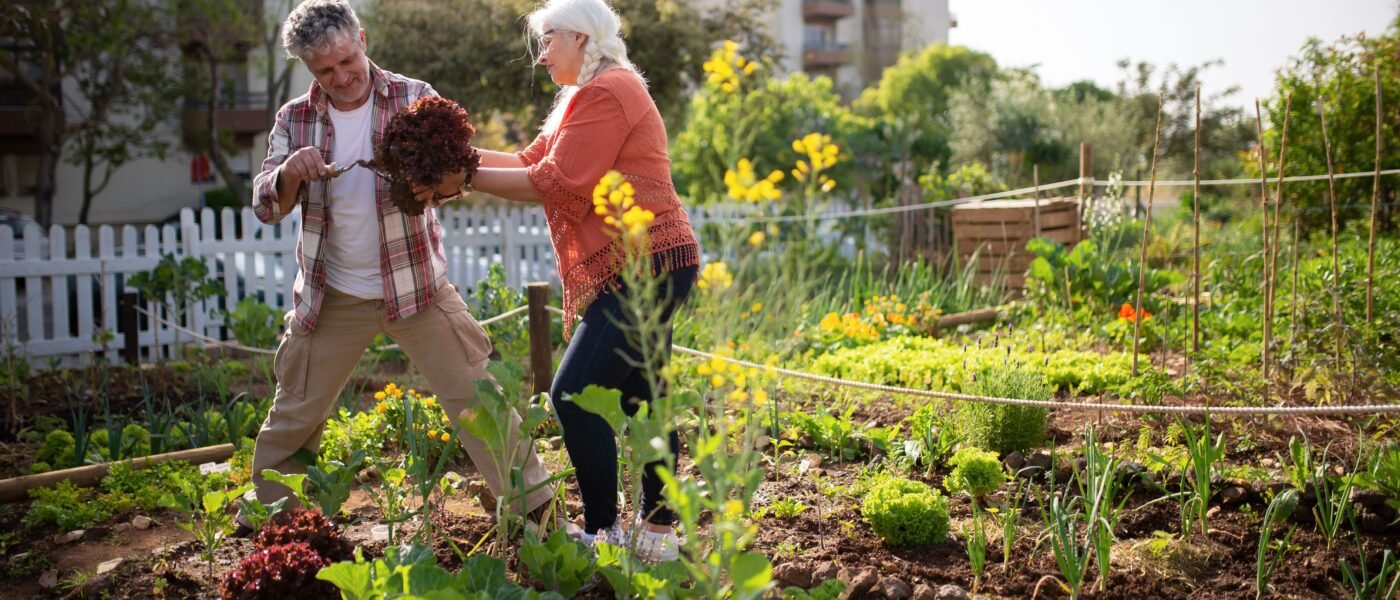
There was a specific afternoon I realized I had to change everything about the way I gardened, or give it up entirely. It was mid-October, 2008. My wife had bought 300 bulbs from a big box store—daffodils, crocuses, and hyacinths. I knelt down with my trusty trowel, and after three holes, my right hip screamed. After five, my left knee buckled. By the tenth hole, my fingers were swollen like sausages. I crawled back to the house, defeated.
That evening, I did something I rarely do: I googled “bulb planting tools for seniors.” The first thing I saw was a cordless drill with an auger bit. I laughed. It looked ridiculous. But desperation is a powerful teacher. The next morning, I bought one. That $40 auger bit became the single most important gardening tool I own. It literally kept me gardening after retirement.
How an Auger Drill Bit Saved My Garden—and My Joints
Let me be direct: if you are over sixty and still planting bulbs with a trowel, you are risking your mobility. The auger drill bit attached to a cordless drill is not a luxury—it is a medical device disguised as a tool. Here is why:
- Zero kneeling required. Stand upright. Point the drill. Pull the trigger. The auger digs a perfect 6-inch hole in five seconds.
- No hand strain. Your fingers only need to hold the drill handle. No gripping, twisting, or prying.
- Consistent depth. Most auger bits have a depth marker. Every bulb goes exactly 6 inches deep—critical for tulip bulbs to avoid rot.
- Speed. I can plant 50 bulbs in 15 minutes now. The same task used to take me two hours and three painkillers.
I now own three auger bits: a 2-inch for small bulbs like crocuses, a 3-inch for tulips and daffodils, and a 4-inch for large bulbs like alliums or for mixing compost into planting holes. The key is to use a drill with a side handle and a slow-speed trigger. I recommend a 20-volt lithium-ion drill with a clutch—the clutch prevents the auger from wrenching your wrist if it hits a rock.
The Real Story: How Bulb Planting Kept Me Walking
Here is the part that doctors don’t tell you. According to a study from the Mayo Clinic on arthritis and exercise, low-impact, repetitive motion with breaks is actually beneficial for joint lubrication. Standing while planting bulbs with an auger forces you to shift weight from one leg to the other, engaging your core and hips. It is not just gardening—it is physical therapy.
My rheumatologist noticed my improved grip strength after one season. “What changed?” she asked. I told her: I stopped kneeling and started drilling. She wrote a note in my chart: “Patient reports increased activity tolerance using modified gardening tools.” I framed that note.
Three More Real Stories of Seniors Who Refused to Quit
I am not the only one. Over the past decade, I have met dozens of retirees who found that gardening kept them active after retirement through creative adaptation. Here are three of my favorites.
1. Margaret, 74: The Auger Lady of the Neighborhood
Margaret had double knee replacement surgery in 2019. Her surgeon told her to avoid kneeling for six months—forever, if possible. She lived in a home with a large front yard and 20 years of landscaping. She was devastated. Then her son bought her a drill auger set for her birthday. She now plants over 500 bulbs every October. She walks her garden every morning with a cane in one hand and a coffee in the other. “I’m stronger now than I was before surgery,” she told me. “Because I never stopped moving—I just changed how I moved.”
2. Robert, 68: The Man Who Planted a Meadow
Robert has severe rheumatoid arthritis in his hands. He cannot grip a trowel for more than thirty seconds. He discovered a “bulb planter” attachment for a long-handled drill extension. He now plants bulbs while sitting in a rolling garden stool. He created a 1,000-bulb naturalized meadow in his backyard. “My fingers don’t work,” he says, “but my shoulders and arms are strong. I use my whole body to garden now, not just my hands.” Robert’s story proves that gardening kept him active after retirement because he found a tool that redistributed the workload.
3. Phyllis, 82: The Flower Association President
Phyllis runs a local garden club. She has osteoporosis and walks with a walker. She plants bulbs using a long-handled stand-up planter that looks like a post-hole digger. She demonstrated it at a club meeting last fall. “I refuse to let my bones dictate my happiness,” she said. She planted 200 bulbs in two hours. Her secret? She stops every fifteen minutes to stretch and hydrate. She also uses a padded garden stool with a backrest. She says, “Gardening is not a race. It’s a relationship with the earth.”
Practical Tips for Senior Gardeners This Autumn
If you are reading this and thinking, “I want to keep gardening but my body won’t cooperate,” here is my practical advice based on 15 years of nursery experience and 20 years of arthritis:
- Invest in an auger drill bit. It is the single best tool you will ever buy. Look for one with a hex shank that fits standard cordless drills. Avoid cheap twist bits—they break in rocky soil.
- Use a cordless drill with a belt clip or holster. This keeps the drill accessible without bending. I wear mine on a tool belt.
- Plant bulbs in raised beds or containers. If kneeling is impossible, plant in pots or elevated beds at waist height. Use the same auger technique—just tilt the pot.
- Work in short sessions. Set a timer for 20 minutes. Stop, stretch, drink water. Then do another 20. Your body will thank you.
- Stretch before and after. Gentle hip circles, knee bends (if safe), and wrist rotations. Treat your garden session like a workout.
For more detailed guidance on modifying your garden layout for accessibility, see our Related Gardening Guide: Creating a Low-Impact Garden for Seniors.
The Science Behind Gardening and Senior Health
Let me add some context from the medical community. The Arthritis Foundation has long recommended gardening as a form of low-impact exercise. The key is to avoid high-impact, repetitive strain on specific joints. When you use a drill auger, the motion is distributed across your shoulder, arm, and core muscles, sparing your hands and knees. This aligns perfectly with the principle of keeping active after retirement through modified activity.
I also want to address a common myth: that seniors should “take it easy” and avoid physical work. Wrong. The research is clear—sedentary lifestyles accelerate joint degeneration. What we need is smart activity, not less activity. The auger drill bit is a perfect example: it allows you to do the same work with less joint stress.
Conclusion: Your Garden Is Waiting
I am 78 years old now. I still plant bulbs every autumn. My hands ache sometimes, but I don’t dread the task anymore. I look forward to it. The drill hums, the auger bites into the soil, and one by one, the holes appear. I drop in a bulb, cover it with my foot, and move to the next spot. It is rhythmic, satisfying, and pain-free.
That is the real story of how gardening kept me active after retirement. It wasn’t about willpower or stubbornness. It was about humility—admitting that I needed a tool, a change, a new way. If you are struggling, I urge you: don’t quit. Adapt. Buy an auger. Stand tall. Plant your bulbs. Your future self—the one who walks through that spring garden—will thank you.
Leave a Reply