Drip Irrigation vs Soaker Hose for Senior Gardeners
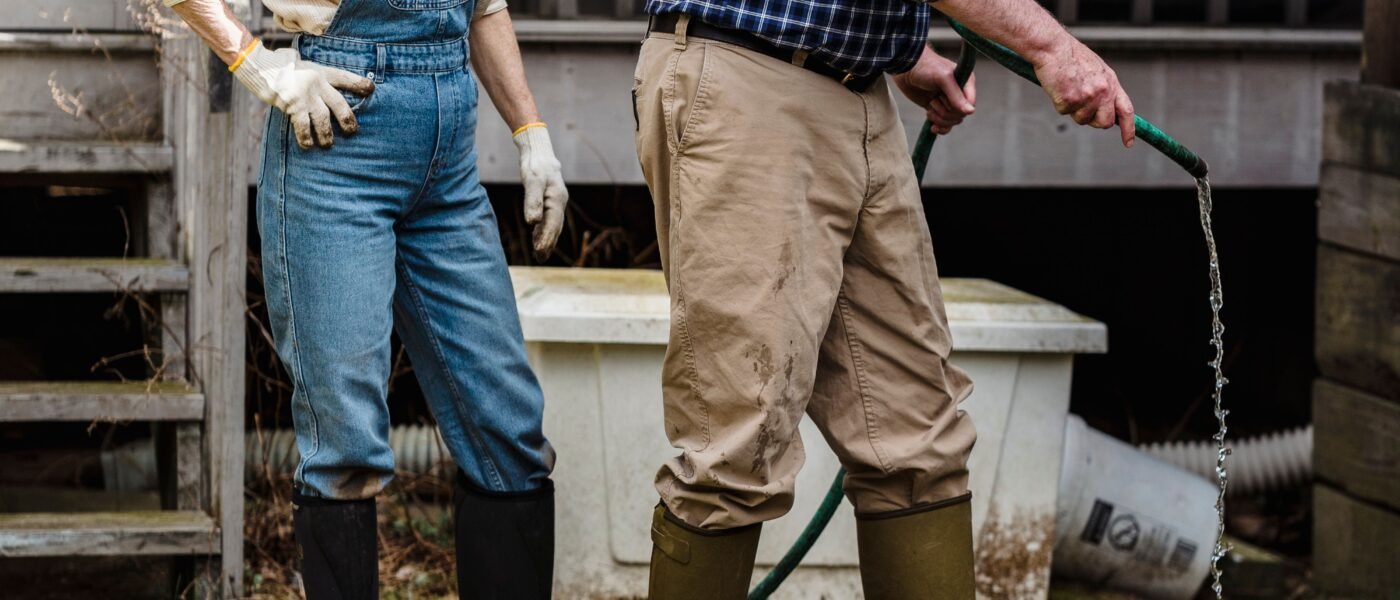
Most senior gardeners quit not because they lose interest—they quit because nobody told them the right tools exist. I see it every year at my local garden club. Someone in their seventies shows up, back aching, saying they’re giving up their vegetable patch because watering takes too much effort. It breaks my heart because the real problem isn’t aging—it’s using the wrong system. When you have arthritis in your hands, hips, or knees, every step matters. Every twist of a valve, every tug on a hose, every time you have to crouch down to adjust a leak—that’s not gardening, that’s punishment.
Drip irrigation and soaker hoses both promise to make watering easier, but they deliver that promise very differently for older bodies. I learned this the hard way after my diagnosis in my late forties. I spent three summers trying to make soaker hoses work because they were cheaper. Then I switched to drip irrigation and realized I had been punishing myself for no good reason.
How Drip Irrigation Saves Your Hands and Back
Drip irrigation is the system that changed everything for me. It uses flexible tubes with small emitters placed directly at each plant’s root zone. The water drips slowly, delivering moisture exactly where it’s needed. For senior gardeners, here’s why this matters:
- No dragging hoses: Once installed, drip lines stay in place for years. You don’t move them, so your shoulders and back don’t suffer.
- Fewer connections to mess with: Drip systems use simple push-fit connectors. My arthritic fingers can handle these far better than twist-on hose fittings.
- Timers work beautifully: You can attach a battery-operated timer to your faucet. Set it once, and you never touch the system again until winter. That’s a game-changer for bad knees.
- Adjustable emitters: If a plant needs more or less water, you swap an emitter in seconds. No bending, no digging.
I remember installing my first drip system in 1993. I had 48 tomato plants, and the old soaker hose setup required me to crawl along the entire row every few days to check for clogs. With drip irrigation, I sat on a stool, connected the main line, and placed each emitter. That was it. My knees never touched the ground again for that bed.
When a Soaker Hose Makes Sense (And When It Doesn’t)
Soaker hoses are porous hoses that sweat water along their entire length. They’re cheaper upfront and simpler to set up—no emitters, no little parts to lose. But for senior gardeners, the trade-offs are significant. Let me be honest: I used soaker hoses for years before I switched, and I wish someone had told me the truth earlier.
Where soaker hoses work well:
- In straight, narrow beds like a row of carrots or beans.
- For temporary watering during a heatwave, when you just need to saturate the soil quickly.
- If you have good mobility and don’t mind moving them occasionally.
Where soaker hoses fail seniors:
- They clog easily: Mineral deposits and algae build up inside the hose, reducing flow. You have to flush them, which means disconnecting and dragging them—hard on wrists.
- They’re heavy when full: A 50-foot soaker hose filled with water weighs nearly 20 pounds. That’s a lot for arthritic hands to lift.
- They don’t water evenly on slopes: Water runs downhill inside the hose, so your plants at the bottom get flooded while the top stays dry. Drip irrigation handles slopes much better because each emitter is independent.
- You can’t target individual plants: The entire hose weeps, so you waste water on bare soil between plants. That means more refilling of your watering can or longer run times.
I had a friend, Barbara, who was 72 and determined to keep her cutting garden. She insisted on soaker hoses because they were cheap. I watched her struggle for two seasons—bending to check why her zinnias were wilting, fighting with kinked hose sections. Finally, she let me install drip lines in one bed. The next spring, she called me laughing. “I spent more time actually looking at my flowers than wrestling with that hose,” she said. That’s the difference.
The Arthritis-Friendly Installation Process
Here’s a practical comparison based on my own experience managing arthritis while installing both systems:
- Drip irrigation installation: You can do most of it sitting on a garden stool. Lay the main line, punch holes with a hand tool (no strength needed), insert emitters. The hardest part is cutting the tube, and even that is easy with a pair of pruners. Most kits come with everything you need.
- Soaker hose installation: You have to unroll the hose (which is stiff when new), connect it to a faucet, and then test it. If it doesn’t water evenly, you have to reposition it, which means lifting and dragging. That repetitive motion is brutal for shoulders and hips.
I’ll never forget the turning point moment for me. It was a hot July afternoon in 1994. I had just finished a long morning watering with my soaker hose setup, and my hands were cramping so badly I couldn’t hold a pen. I sat down on my garden bench and thought, “This is supposed to be enjoyment, not torture.” The next day, I ordered my first drip irrigation kit. That decision extended my gardening life by at least a decade.
Cost Comparison: Which is Kinder to Your Wallet and Body?
Let’s talk numbers, because I know seniors are often on fixed incomes. A basic soaker hose setup for a 4×8 foot bed costs about $15-25. A drip irrigation kit for the same area runs $30-50. That initial difference scares some people away, but here’s what they don’t consider:
- Soaker hoses need replacement every 2-3 years because they degrade in sunlight and clog. Drip lines last 10+ years if you drain them properly in winter.
- Soaker hoses waste more water, which means higher utility bills. Drip irrigation uses 30-50% less water because it goes directly to the roots.
- Drip irrigation requires fewer repairs. I’ve replaced soaker hose sections more times than I can count. Drip emitters rarely fail, and if one does, you replace just that emitter for pennies.
Over five years, drip irrigation actually costs less. More importantly, it costs less in physical pain. I’ve seen too many senior gardeners give up on beautiful gardens because they thought saving $20 upfront was worth their joints. It’s not.
Verdict for Senior Gardeners
After decades of using both systems, and after watching hundreds of older gardeners struggle, my recommendation is clear: if you have arthritis, back pain, or any mobility limitation, invest in drip irrigation. It’s the system that works with your body instead of against it. The upfront effort of installation is repaid tenfold in the years of easy watering that follow.
That said, if you’re determined to try soaker hoses first, at least use them in small, flat beds where you don’t have to move them often. And never buy the cheapest one—spend a little extra on a reinforced model that resists kinking and UV damage. Your hands will thank you.
For more detailed advice on setting up drip irrigation for raised beds, check out our Related Gardening Guide. And if you’re concerned about how arthritis affects other aspects of gardening, the Arthritis Foundation’s guide to gardening with arthritis is an excellent resource I still reference myself.
Remember, the goal isn’t to water your plants—it’s to enjoy growing them. Drip irrigation gives you back that joy by removing the physical strain. Soaker hoses might save you a few dollars initially, but they’ll cost you in ways no budget can measure. Choose wisely, and keep gardening.
Leave a Reply