5 Senior Gardeners Who Transformed Their Lives After Retirement
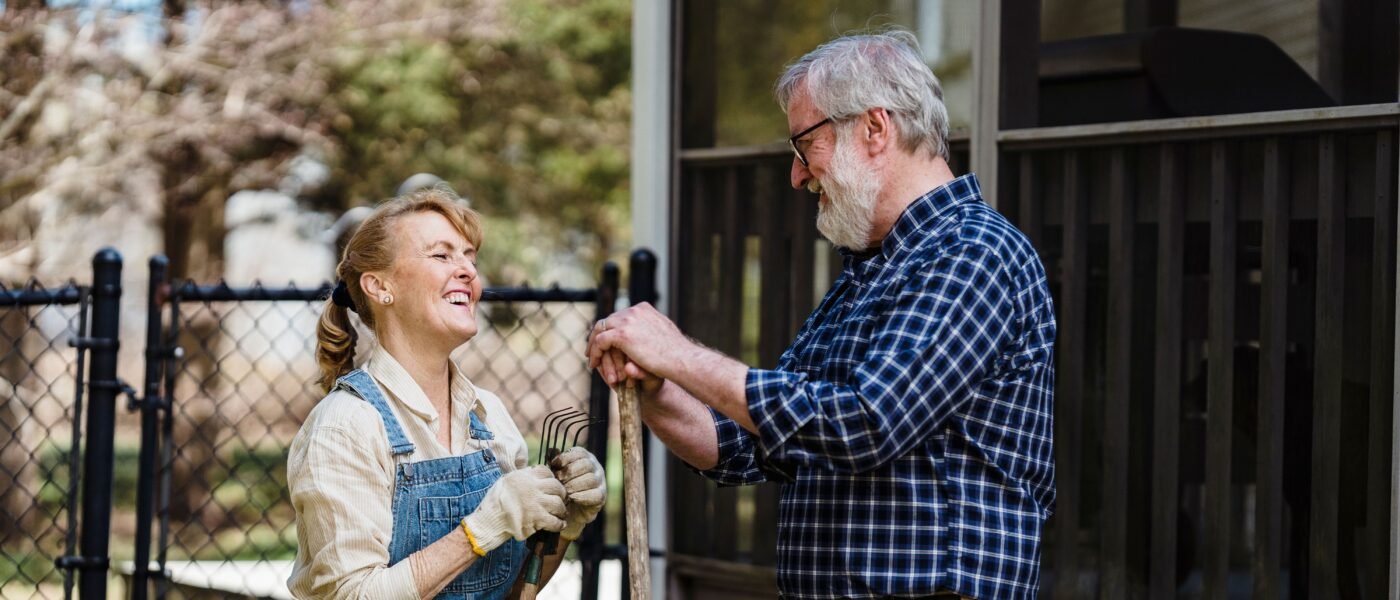
Most people assume that slowing down in the garden is just a natural part of getting older. After 15 years running a nursery (1980 to 1995), I can tell you that assumption is dead wrong. I’ve watched countless retirees discover that gardening isn’t something you leave behind—it’s something that can redefine your entire outlook on aging. My own arthritis journey taught me that lesson the hard way. In the spring of 1993, I couldn’t grip a trowel for more than ten minutes without my knuckles screaming. I nearly gave up. But then I met five senior gardeners who proved that retirement isn’t the end of your garden—it’s the beginning of a new one. Each of them transformed their lives through gentle, consistent activity, and their stories hold lessons for every silver-haired green thumb.
How Senior Gardeners Use Routine to Reclaim Strength
The habit-building angle is the secret sauce here. These five senior gardeners didn’t just stumble into better health—they built small, repeatable routines that added up to massive change. I’ve seen it firsthand: when you treat gardening like a daily ritual rather than a weekend chore, your body adapts. Your joints loosen. Your stamina grows. And your mind calms. The key is consistency, not intensity. Let me introduce you to the women and men who showed me what’s possible.
1. Margaret: From Wheelchair to Raised Beds in Six Months
Margaret was 72 when she moved into a small retirement community. She’d gardened her whole life, but after hip replacement surgery, she thought her dirt-digging days were over. I met her at a workshop I gave on ergonomic gardening for seniors. She sat in the back, arms crossed, skeptical. “I can’t kneel,” she said flatly. I showed her a simple raised bed system—just 18 inches high—and a long-handled cultivator. “Try it for ten minutes a day,” I told her. “No more. Just ten minutes.” Margaret started watering her tomato plants every morning. Then she added pruning. Then weeding. Six months later, she was tending three raised beds and walking without a cane. She told me, “I didn’t garden to get stronger—I got stronger because I gardened.” That’s the habit loop in action. For more on how consistent activity protects aging joints, check out this Arthritis Foundation guide on exercise and arthritis management.
2. Henry: The Former Accountant Who Found His Rhythm
Henry retired at 68 and spent his first year on the couch binge-watching crime dramas. His wife dragged him to a local garden club meeting where I was speaking. He’d never grown anything in his life. “I don’t even like dirt,” he mumbled. I challenged him to pick one plant—just one—and tend it for five minutes each day. He chose a cherry tomato seedling. Every morning, he watered it, checked for pests, and tied it to a stake. That five-minute habit grew into a 20-minute daily ritual. By the end of the season, Henry had a 10-by-10-foot vegetable patch producing more zucchini than his street could eat. He lost 15 pounds, lowered his blood pressure, and told me, “Gardening gave me a reason to get up. I never knew I needed that.” The lesson? Start absurdly small. Five minutes of consistent activity is more powerful than an hour you do once a month.
3. Evelyn: Healing Grief Through Daily Weeding
Evelyn lost her husband of 54 years in 2019. She came to my nursery six months later, barely able to speak. “I need something to do with my hands,” she whispered. I pointed her toward a small herb garden—rosemary, thyme, and lavender. “These don’t need much,” I said. “Just pull the weeds for ten minutes every morning.” Evelyn turned that weeding into a meditation. She’d kneel on a padded mat, breathe deep, and clear the soil. Over time, she added flowers, then shrubs, then a whole perennial border. Three years later, her garden won a local beautification award. “I didn’t replace my husband,” she told me. “I planted a new life.” The habit became her anchor, proving that senior gardeners can heal emotional wounds as surely as physical ones.
4. Carlos: The Heart Attack That Changed His Garden
Carlos had a massive heart attack at 74. His doctor told him he needed light, consistent exercise or he’d be back in the ER within a year. Carlos had a small backyard but zero gardening experience. I showed him how to build a simple chair garden—a set of containers at waist height so he never had to bend or squat. “Just sit and clip,” I said. “Deadhead the petunias. Water the basil. Ten minutes, twice a day.” Carlos followed that prescription religiously. Within six months, his blood pressure stabilized. His cholesterol dropped. And he discovered a passion for growing peppers. “I used to think gardening was for old ladies,” he laughed. “Now I’m the oldest pepper grower in my neighborhood.” His story proves that the habit-building approach works even for complete beginners.
5. Ruth: The Master Gardener Who Lost Her Grip
Ruth was the most experienced gardener of the bunch—she’d been growing prize-winning roses since the 1960s. But at 80, severe arthritis in both hands made pruning impossible. She came to me in tears, saying she’d have to sell her tools. I handed her a pair of ergonomic pruners with rotating handles and a spring-loaded action. “Use these for fifteen minutes every other day,” I said. “No more. Let the tool do the work.” Ruth was skeptical but desperate. She started with just one rose bush. Then two. Within a year, she was pruning all forty of her roses. She even taught a workshop on adaptive tools at the local senior center. “I didn’t lose my garden,” she said. “I learned to garden differently.” Ruth’s transformation underscores why senior gardeners need to embrace tools that match their changing bodies.
The Science Behind Gentle Activity for Retirees
These five stories aren’t just heartwarming—they’re backed by research. Studies show that moderate, consistent physical activity—like 20 minutes of gardening daily—reduces the risk of falls, improves cardiovascular health, and slows cognitive decline in seniors. The habit-building angle works because it bypasses the “all or nothing” trap. When you commit to tiny, daily actions, your brain rewires itself. Gardening becomes automatic. Your hands remember the motions. Your knees adapt. I lived this myself: after my arthritis diagnosis, I switched from heavy digging to a 15-minute morning routine of weeding and watering. My pain didn’t vanish, but it became manageable. I stopped dreading the garden and started looking forward to it.
Why Consistency Beats Intensity for Silver Gardeners
I learned this lesson the hard way in 1988. I tried to till a full vegetable plot in one afternoon and spent the next three days unable to stand. That’s when I realized that senior gardeners must prioritize consistency over intensity. Your body doesn’t care about how much you did last week—it cares about what you do today. A five-minute habit you keep for a year is far more transformative than a three-hour marathon you do once. This is why I recommend every retiree start with a single container or a tiny patch. Water it daily. Observe it. Touch it. Let the habit build itself.
Practical Steps to Build Your Own Gardening Habit
If you’re a senior gardener ready to transform your life, here’s my three-step framework stolen directly from Margaret, Henry, Evelyn, Carlos, and Ruth:
- Pick one plant: Choose something forgiving—herbs, cherry tomatoes, or marigolds. One plant is not overwhelming.
- Commit to five minutes: Set a timer. Water, weed, or prune for exactly five minutes. No more. Do it every day for two weeks.
- Upgrade slowly: After two weeks, add a second plant or extend to ten minutes. Let the habit expand naturally.
For more detailed guidance on adapting your garden as you age, visit our Related Gardening Guide for step-by-step ergonomic setups.
Common Mistakes Senior Gardeners Make When Starting
I’ve seen retirees sabotage their habit-building efforts in three predictable ways. First, they overcommit. Don’t plant a 50-foot vegetable bed your first week. Start with a single pot. Second, they ignore their body’s signals. If your wrist hurts, stop. Switch hands. Use a different tool. Third, they compare themselves to younger gardeners. You’re not competing with a 40-year-old. You’re building a sustainable practice for your own longevity. Avoid these traps, and you’ll be amazed at what consistent, gentle activity can do.
Final Thoughts on Senior Gardeners and Life Transformation
These five people aren’t exceptional—they’re ordinary retirees who made a small decision every day. Margaret’s raised beds. Henry’s five-minute tomato. Evelyn’s grief-weeding. Carlos’s chair garden. Ruth’s ergonomic pruners. Each of them proves that senior gardeners don’t have to give up their passion—they just have to find a new rhythm. My nursery years taught me that soil doesn’t care how old you are. It just responds to consistent attention. And your body will do the same. Start tomorrow. Five minutes. One plant. See what happens.
Leave a Reply