The Joy of a Low-Maintenance Garden in Retirement
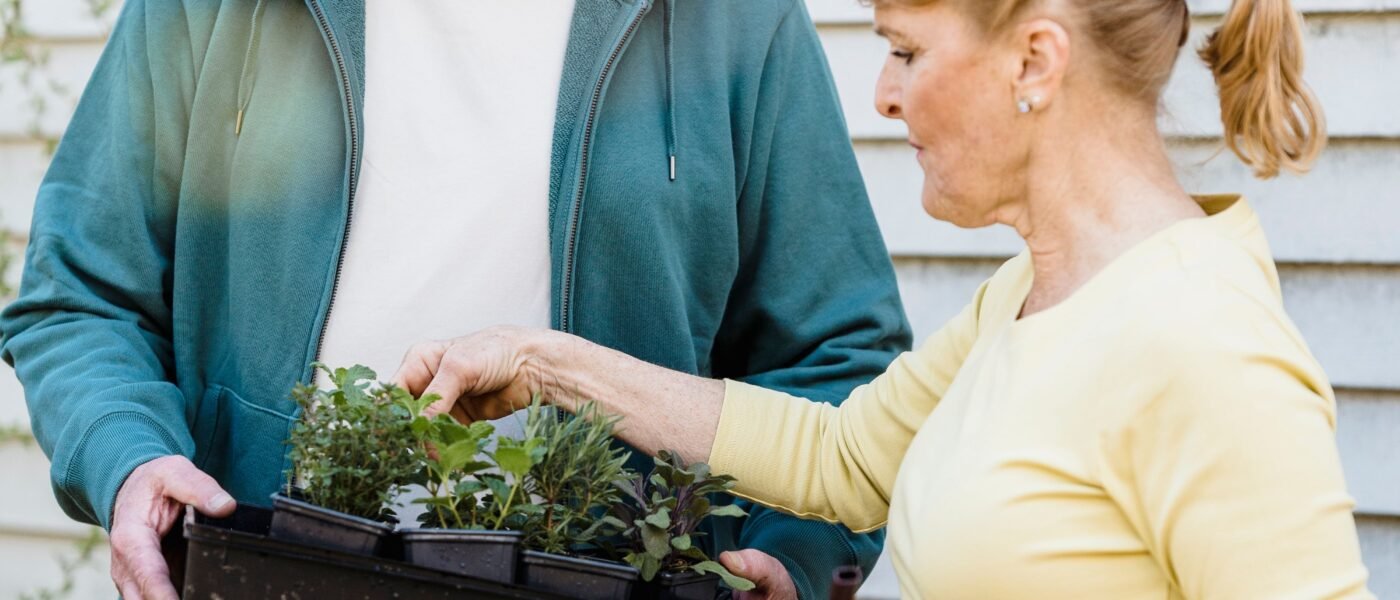
After 15 years of growing perennials and advising customers on the “perfect” in-ground bed, I had to admit that my body was no longer the same as it was at thirty. My arthritis, a stubborn companion in both hands and hips, demanded I find a new way. That’s when I fell in love with the concept of a truly low-maintenance garden in retirement. It’s not about giving up your passion; it’s about outsmarting your physical limitations. And the two most powerful tools I found? Grow bags and shallow raised beds.
This isn’t just about convenience. It’s about preserving the joy of nurturing life without sacrificing your own well-being. Let me show you how to build a garden that works for you, not against you.
Why a Low-Maintenance Garden in Retirement is a Lifesaver
Most people assume that slowing down in the garden is just a natural part of getting older. After 15 years running a nursery, I disagree. The problem isn’t age itself—it’s the method. Traditional gardening, with its deep digging, constant weeding, and painful kneeling, was designed for a younger body. For those of us managing arthritis or general wear and tear, it becomes a chore, not a joy. A low-maintenance garden in retirement flips that script. It prioritizes your physical comfort while still delivering the high rewards: fresh herbs, vibrant flowers, and the deep satisfaction of seeing something you’ve tended thrive.
The Secret to a Low-Maintenance Garden in Retirement: Grow Bags
Let me start with grow bags. When I first saw them in a catalog back in the early 1990s, I dismissed them as a gimmick. “Real gardeners plant in the ground,” I thought. But after my arthritis diagnosis, I became desperate enough to try anything. And I was wrong. Grow bags are, in my opinion, one of the most underrated tools for senior gardeners.
Here’s why they work so well for a low-maintenance garden in retirement:
- No Digging, No Bending: Fill a grow bag with lightweight potting mix at your kitchen table or patio bench. No heavy shoveling required.
- Superior Drainage: The fabric allows air to reach the roots, preventing root rot and reducing the risk of overwatering—a common mistake that leads to plant stress.
- Mobility: Need to chase the sun or avoid a sudden frost? You can slide a grow bag across a deck or patio. My tomatoes now live on a rolling cart in summer.
- Weed-Free: Since you’re using fresh, sterile potting mix, you eliminate the biggest time-waster: pulling weeds.
I now grow peppers, tomatoes, and even strawberries exclusively in 5-gallon grow bags. I place them on a low table—waist-high—so I can tend them while standing or sitting on a tall stool. My hands still ache, but the rest of my body thanks me.
Shallow Raised Beds: The Perfect Solution for a Low-Maintenance Garden in Retirement
If grow bags are for the portable gardener, shallow raised beds are for the one who wants a permanent, structured space. But here’s the key: they must be shallow. I see so many retirees build raised beds that are 18 inches deep—that’s essentially an expensive, over-engineered box that requires a back-breaking amount of soil. A shallow raised bed, only 6 to 8 inches deep, is all you need for most vegetables and flowers.
Why shallow? Because it respects your body. You don’t have to lean over a high wall to reach the center. You can sit on the edge (or a garden stool) and work comfortably. The soil warms up faster in spring, giving you an earlier start. And the shallowness means you use less soil, saving money and effort.
For a true low-maintenance garden in retirement, combine shallow beds with a simple drip irrigation system. A timer on a hose can water your plants for you, eliminating the need to drag a heavy hose every evening. I set mine up once in May and don’t touch it again until October. The result? More time to sit with a cup of tea and watch the butterflies.
Low-Effort, High-Reward Plants for Your Retirement Garden
You don’t need a jungle to feel the joy. In fact, the most successful low-maintenance garden in retirement is one that focuses on plants that give back generously with minimal fuss. From my years at the nursery, I learned that some plants are simply grateful for any attention, while others demand far too much. Here’s my shortlist for maximum reward with minimal effort:
- Tomatoes (determinate varieties): These bush-type tomatoes don’t need staking or constant pruning. Grow them in a grow bag, and you’ll have fruit all summer.
- Swiss Chard: A beautiful, colorful leafy green that thrives in shallow beds. You can harvest leaves for months—just cut and it grows back.
- Zinnias: These flowers bloom non-stop from summer to frost with almost no deadheading. Their bright colors attract butterflies and lift your spirits.
- Herbs (basil, thyme, oregano): They love the dry conditions of grow bags and shallow beds. Snip as needed—they’ll just get bushier.
- Garlic: Plant cloves in fall, ignore them all winter, and harvest in summer. It’s almost too easy.
Each of these plants thrives in the small, contained environments I’ve described. They don’t need rich, deep soil or constant vigilance. They just need a little water, a little sun, and a lot of love from a gardener who isn’t in pain.
Ergonomics and Your Body: A Practical Guide
I’ve learned the hard way that your garden setup must adapt to your body, not the other way around. When I started managing my arthritis, I had to confront a hard truth: the traditional garden trowel is a torture device for arthritic hands. The thin handle forces your fingers into a cramped grip, and the repetitive motion of twisting and digging can flare up joints in minutes.
Instead, invest in ergonomic tools. Look for trowels with padded, thick handles that let you grip loosely. Use a long-handled weeder so you can stand upright. And for the love of your knees, get a good garden kneeler that converts into a bench. I have one that I flip over when I need to sit, and it has saved me countless times.
Another tip from my own journey: work in short bursts. Set a timer for 15 minutes. Do one task—water the grow bags, snip some chard, deadhead a few zinnias—then stop. Take a break. Stretch. Your garden will still be there, and you’ll avoid the burnout that makes people quit altogether. A low-maintenance garden in retirement isn’t about doing less; it’s about doing smarter.
Planning Your Space: The 30-Minute Garden
Let me help you design a space that requires no more than 30 minutes of active work per day. Yes, you read that right. After years of trial and error, I’ve refined my own garden to fit this exact model.
Start with a small patio or deck. Place two shallow raised beds (4 feet by 2 feet, 8 inches deep) side by side, with a gap between them wide enough for your garden kneeler. Next to them, arrange four 5-gallon grow bags on a waist-high table. That’s it. That’s your entire garden.
Here’s a sample schedule for the growing season:
- Morning (10 minutes): Check the automatic drip system (if you have one) or water with a watering wand. Snip a few herbs for breakfast.
- Evening (15 minutes): Pick ripe tomatoes, pull a few weeds that might have sneaked in, or simply sit and enjoy the view.
- Weekly (1 hour): Harvest chard, trim basil, and fertilize with a liquid seaweed solution (easy to apply with a hose-end sprayer).
This routine keeps you engaged without exhausting you. And because the space is small, you don’t feel overwhelmed. It’s a low-maintenance garden in retirement that feels like a sanctuary, not a second job.
Common Mistakes Seniors Make with Low-Maintenance Gardens
I’ll be honest: I’ve made every mistake in the book. Let me save you some pain by pointing out the most common ones.
Mistake #1: Overwatering. Grow bags and shallow beds drain quickly, but people still drown their plants. Stick your finger in the soil—if it’s damp an inch down, don’t water. Overwatering leads to root rot and plant death, which is heartbreaking when you’ve put in the effort.
Mistake #2: Choosing the wrong location. Sunlight is critical. Even a low-maintenance garden needs at least 6 hours of direct sun per day for vegetables. Don’t tuck your grow bags in a shady corner because it’s convenient. Move them to where the sun is.
Mistake #3: Forgetting to fertilize. Because grow bags and shallow beds use fresh potting mix, they lack the natural nutrients of garden soil. You need to feed your plants every two weeks with a balanced, liquid fertilizer. It’s a small effort that yields huge results.
Mistake #4: Ignoring your body’s signals. If your hands hurt, stop. If your back aches, change position. The garden is not a test of endurance. I once pushed through a flare-up to transplant a dozen tomato plants, and I paid for it with a week of misery. Now, I use a garden stool and take breaks every 10 minutes. It’s not weakness; it’s wisdom.
For more detailed advice on managing arthritis while gardening, I highly recommend visiting the Arthritis Foundation’s guide on gardening with arthritis. They offer excellent, medically reviewed tips that complement my own practical experience.
Conclusion: The Joy is Still There
I want you to know that the joy of gardening doesn’t have to fade with age. It changes, yes. It becomes quieter, more deliberate, perhaps more precious. When I sit on my porch now, looking at my grow bags of cherry tomatoes—each one a perfect red orb—and my shallow bed of Swiss chard glowing like stained glass, I feel the same wonder I felt as a young nursery owner. The difference is that now, I can enjoy it without pain. My low-maintenance garden in retirement gives me freedom: freedom to rest, freedom to observe, and freedom to still call myself a gardener.
Start small. Pick one grow bag. Plant a single tomato. See how it feels. I promise you, the first time you harvest something you grew yourself—sitting down, with a smile on your face—you’ll understand why I’m so passionate about this approach.
For more ideas on getting started, check out our Related Gardening Guide on ergonomic tool recommendations.
Leave a Reply