How Much Should You Spend on a Raised Garden Bed for Seniors?
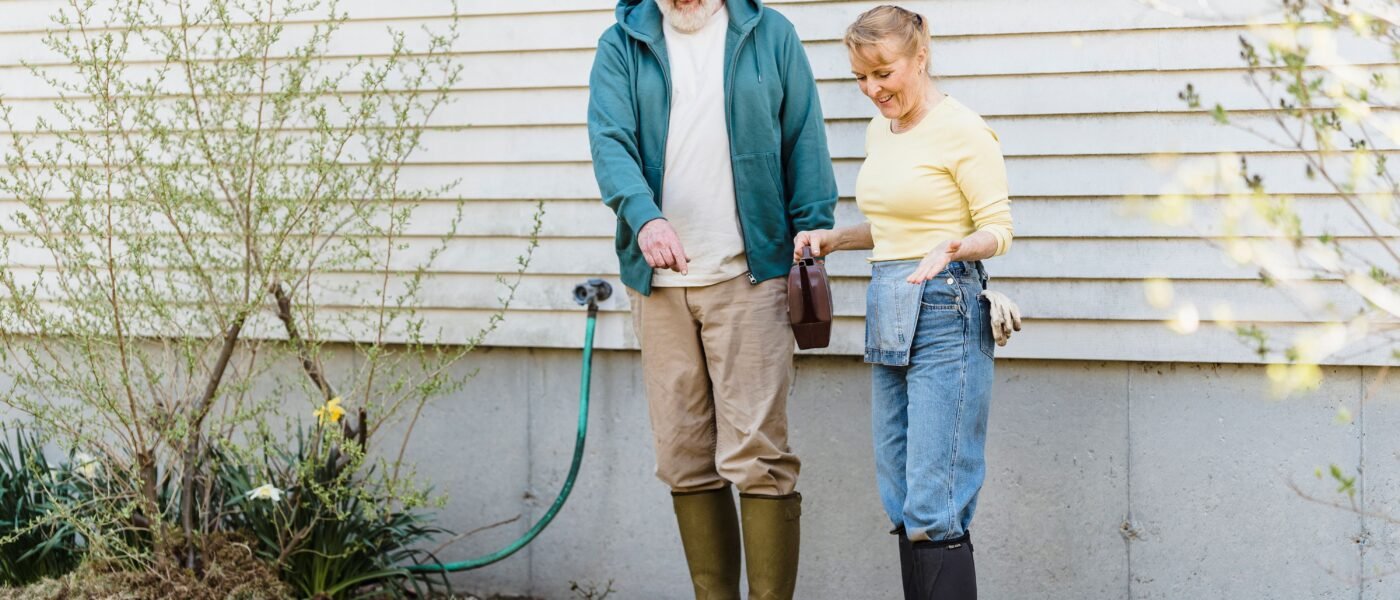
How much should you spend on a raised garden bed for seniors? If your knees are telling you that kneeling in the garden is no longer an option, you are not alone. I have been exactly where you are now—staring at a sore, stiff back after trying to pull just one weed from a ground-level plot. After 15 years running a nursery (1980-1995) and living with arthritis for the last two decades, I learned the hard way that a cheap raised bed can cost you far more than money. It can steal the joy from your garden entirely. Let me help you find the sweet spot between price and function so you keep growing, not aching.
Why the Price of a Raised Garden Bed Matters for Seniors
Most people assume that slowing down in the garden is just a natural part of getting older. After 15 years running a nursery, I disagree. The real problem isn’t aging—it’s using the wrong tools. A raised garden bed for seniors is not a luxury; it is a mobility aid. When I first started gardening with arthritis, I bought a flimsy plastic bed from a discount store for $30. By mid-June, the sides had bowed out, the soil spilled onto the path, and I was bending over so low my hips screamed. That was the day I realized that spending too little on a raised garden bed for seniors is actually dangerous. You need a bed that brings the soil to you, not the other way around.
What a Proper Raised Garden Bed for Seniors Should Cost
Based on my decades of experience and countless conversations with senior gardeners, here is a realistic price breakdown for a raised garden bed that will serve you for years, not just one season:
– **Budget Range ($30–$60):** Avoid these. They are typically thin plastic or untreated pine that rots within a year. The sides are too shallow (under 10 inches) and force you to bend. A raised garden bed for seniors at this price is a false economy.
– **Mid-Range ($80–$150):** This is the sweet spot for most seniors. Look for cedar, redwood, or composite wood that is at least 12 inches deep. Cedar naturally resists rot and insects, which is critical for arthritis-friendly gardening because you won’t have to replace the bed every few years.
– **Premium ($150–$300+):** These are worth it if you have severe mobility issues or want a larger, deeper bed (18–24 inches) that you can sit beside on a stool. Some include built-in trellises for tomatoes or ergonomic side handles. A well-made raised garden bed for seniors in this range is an investment in your health.
I remember a customer named Margaret who insisted on a $40 plastic bed. She called me six months later, frustrated, because the bed had cracked under the weight of wet soil. She ended up buying a cedar one from me at $120. “I should have listened to you the first time,” she said. I hear that a lot.
Material Choices That Make a Raised Garden Bed for Seniors Ergonomic
The material you choose directly affects how much you spend and how long the bed lasts. Here is what I recommend based on my nursery years and my own arthritis:
– **Cedar:** The gold standard for a raised garden bed for seniors. It is lightweight (important for moving if you rearrange your garden), naturally rot-resistant, and warm to the touch. I use cedar beds myself because they don’t need painting or sealing. Expect to pay $100–$150 for a 4×4 foot bed.
– **Composite Wood (Recycled Plastic and Wood Fibers):** Excellent for seniors who want zero maintenance. It never rots, never splinters, and lasts decades. The downside is it is heavier and more expensive ($130–$200), but you will never replace it. I have a composite bed that has been in my garden for 14 years without a single issue.
– **Galvanized Steel:** Trendy and durable, but dangerous for seniors in my opinion. The metal edges can be sharp, and the beds heat up in the sun, which can burn tender plants and your hands. I do not recommend this for a raised garden bed for seniors unless you plan to wear thick gloves constantly.
– **Untreated Pine:** Too soft. A raised garden bed for seniors made of pine will rot in 2–3 years, and the cost of replacing it adds up fast. Skip it.
How to Choose the Right Size and Height
This is where most seniors get it wrong. They buy a bed that is too wide or too shallow. For a raised garden bed for seniors to truly help your joints, follow these rules:
– **Height:** At least 12 inches. Ideally 18–24 inches for those who cannot bend at all. I built a 24-inch tall bed for my own garden, and I can sit on a stool beside it to plant and weed. My arthritis has not stopped me once.
– **Width:** No wider than 4 feet. This ensures you can reach the center from either side without stretching. For a raised garden bed for seniors, stretching is your enemy—it strains shoulders and backs.
– **Length:** Up to 8 feet is fine, but keep width narrow. A 4×8 foot bed is classic and works well for most seniors.
Hidden Costs You Must Plan For
Spending $100 on a raised garden bed for seniors is just the start. After decades in the nursery, I learned that the total cost includes:
– **Soil:** You cannot use garden soil; it compacts too low. You need a mix of topsoil, compost, and peat moss or coconut coir. For a 4x4x1 foot bed, that is about 16 cubic feet of soil, costing $30–$50.
– **Drainage:** A raised garden bed for seniors needs good drainage. I always add a layer of gravel at the bottom (about $10). Skipping this leads to waterlogged roots and wasted years of work.
– **Stool or Seat:** Buy a sturdy garden stool or a rolling seat. I use a simple padded stool ($25) that lets me sit while working. Add this to your budget.
– **Irrigation:** A soaker hose or drip system ($15–$30) saves you from carrying heavy watering cans. For seniors, this is a life-saver.
My Personal Recommendation for Seniors
If you are asking how much you should spend on a raised garden bed for seniors, I will give you the same advice I gave my own mother: pay $120–$150 for a 4×4 foot cedar bed, 12 inches tall. Add $40 for soil, $10 for drainage, and $25 for a stool. Total: about $200 for the first season. That bed will last 15 years if you treat it right. Compare that to a $40 plastic bed that lasts one year—you save money and pain in the long run.
There was a specific afternoon I realized I had to change everything. I was trying to dig a hole for a tomato plant in a ground bed, and my right knee locked up. I sat on the grass, tears mixing with sweat. That evening, I ordered a cedar raised bed, and within a week, I was planting without pain. A raised garden bed for seniors is not about luxury. It is about continuation. It is about saying yes to the garden for another season.
Where to Buy and What to Avoid
I have seen every kind of raised garden bed for seniors in my 15 years in the nursery and in my own garden. Here is my advice:
– **Avoid Big Box Stores:** Their “senior” beds are often cheap plastic or thin pine. They look good on the shelf but fail within a year.
– **Buy Online or Local Nurseries:** Look for brands that specialize in cedar or composite. Read reviews from other seniors about assembly and height. I trust Arthritis Foundation’s gardening tips for additional insights on ergonomic tools.
– **Check Assembly Time:** Some raised garden beds for seniors require tools and two people. I recommend kits that snap together or use corner brackets. Avoid ones that need power tools.
Spend Wisely, Garden Happily
I made a painful mistake the first spring my arthritis got bad. I bought a $50 raised bed from a discount store, thinking I was saving money. Within weeks, the sides bowed, the soil spilled, and I was bending so low my back seized up. I ended up spending $130 on a cedar bed that year, and I have never looked back. A raised garden bed for seniors is not a place to cut corners. Spend what it takes to get a bed that is deep, sturdy, and the right height. Your joints will thank you, and your garden will thrive.
For more tips on creating a senior-friendly garden, check out our Related Gardening Guide.
Leave a Reply