How Long Should Garden Tool Handles Be for Seniors?
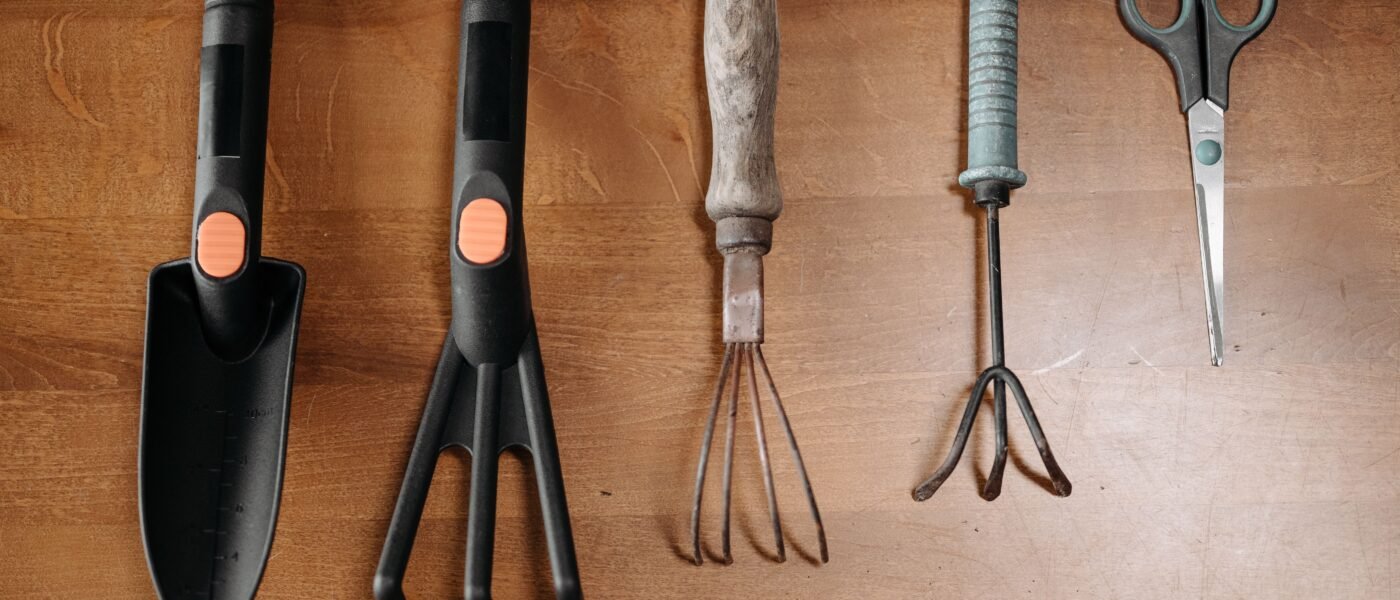
The Day I Could No Longer Reach the Soil
If your back is screaming after twenty minutes of weeding, you are not alone. I remember a specific Tuesday in late April, kneeling next to a raised bed, my hip locking up as I reached for a trowel that seemed impossibly far away. That was the day I realized I had to change everything about the way I gardened, or give it up entirely. After spending 15 years running a nursery from 1980 to 1995, and now managing my own arthritis for the last decade, I’ve learned that the single most overlooked factor in senior gardening is handle length. The question “how long should garden tool handles be for seniors” is not just about comfort—it is about whether you can keep gardening at all. Let me share what decades of trial and error have taught me.
Most gardeners assume that any tool will do, but the truth is that inappropriate handle lengths are one of the primary reasons seniors abandon their allotments or flower beds. Your body is not the same as it was at forty, and your tools need to adapt. The right handle length reduces strain on your lower back, shoulders, and wrists, allowing you to work longer without pain. In this guide, I will walk you through precise measurements, tool recommendations for allotment gardening, and how to build a social toolkit that keeps you connected with fellow gardeners.
The Science Behind Handle Length for Senior Gardeners
When we talk about handle length, we are really talking about leverage and posture. A handle that is too short forces you to bend forward from the waist, putting immense pressure on your lumbar spine. A handle that is too long makes you overreach, straining your shoulders and neck. For seniors, the ideal handle length depends on your height, the task, and whether you are standing, sitting, or using a stool. After treating my own arthritis with ergonomic adjustments, I can tell you that getting this right is a game-changer.
Research from the Arthritis Foundation supports this: ergonomic tools can reduce joint pain by up to 50% when properly fitted. The key is to keep your spine neutral—avoiding forward bends—and to use larger muscle groups like your legs and core instead of your small hand joints. For most seniors, this means handles that are at least 36 to 48 inches long for long-handled tools like hoes and rakes, and 12 to 18 inches for hand tools like trowels and cultivators.
How Long Should Garden Tool Handles Be for Seniors? The Exact Measurements
To answer the core question directly: how long should garden tool handles be for seniors? The answer is not one-size-fits-all, but here are the general guidelines based on my experience and what works best for allotment gardening:
- Long-handled tools (hoes, rakes, spades): Aim for 48 to 54 inches. This allows you to work standing upright with a slight bend in your elbows. If you are under 5’4″, 48 inches is usually sufficient; if you are taller, 54 inches is better.
- Medium-handled tools (cultivators, weeding forks): 36 to 42 inches. These are perfect for working at a slight stand or from a stool, reducing the need to bend.
- Short-handled tools (trowels, hand forks, pruners): 12 to 18 inches. These are for close-up work, but I recommend using them only while seated on a low stool or kneeling pad to avoid stooping.
One practical test: stand with your tool in hand, arms relaxed at your sides. The handle should reach your wrist or slightly below. If it touches your elbow, it is too short. If it goes past your armpit, it is too long. This simple check has saved my back countless times at my own allotment.
Why Handle Length Matters for Social Allotment Gardening
Allotment gardening is a social activity—I have spent many afternoons chatting with neighbors over a cup of tea while weeding our plots. But if your tools are poorly fitted, you will be too uncomfortable to enjoy the camaraderie. I have seen seniors abandon their plots simply because they could not keep up with the physical demands. That is why I recommend building a toolkit that includes both long and medium handles, allowing you to switch tasks without constant adjustments. A good combination is a 48-inch long-handled hoe for weeding beds, a 36-inch cultivator for turning soil, and a 12-inch trowel for planting—all chosen with your height in mind.
When you share tools with friends at the allotment, label your handles with your name and preferred length. This not only avoids confusion but also sparks conversation about ergonomics. I have had entire afternoons dedicated to comparing handle lengths, and it has become a bonding experience that keeps us all gardening longer.
Tool Kit Recommendations for Allotment Gardening
Based on my years of experience, here is a complete toolkit that answers how long should garden tool handles be for seniors for every major task. Each recommendation includes the ideal handle length for comfort and efficiency:
- Long-handled draw hoe (48-52 inches): Ideal for weeding large beds without bending. Look for a lightweight aluminum shaft to reduce arm fatigue.
- Stirrup hoe (50-54 inches): Excellent for cutting weeds at the root while standing. The long handle keeps your back straight.
- Garden rake (48-52 inches): For leveling soil and raking leaves. Avoid heavy steel heads—choose a plastic or lightweight metal tine set.
- Spading fork (48-52 inches): For turning compost or breaking up soil. The long handle gives you leverage without straining your wrists.
- Hand trowel (14-18 inches): For planting seedlings. The longer handle than standard 12-inch models allows you to use it while seated on a stool.
- Weeding fork (36-40 inches): Perfect for removing dandelions and taproots while standing. Keep a stool nearby for resting between tasks.
- Pruners with extension handles (30-36 inches): For reaching into shrubs without bending. These are a lifesaver for arthritis in your hands.
I personally use a 48-inch stirrup hoe from a brand that offers ergonomic grips, and it has transformed my weeding routine. I can work for an hour without back pain, something I could not do five years ago. For more detailed recommendations, check out our Related Gardening Guide on ergonomic tools for seniors.
How to Test Handle Length Before You Buy
One mistake I see often is seniors buying tools online without trying them first. You would not buy shoes without trying them on, and the same applies here. Here is a simple three-step test you can do at a garden center or with tools you already own:
- The Wrist Test: Hold the tool at your side. The handle should rest at your wrist bone, not your palm or elbow.
- The Standing Bend Test: Stand with the tool in working position. Your back should be straight, and your elbows should be bent at about 90 degrees. If you have to lean forward, the handle is too short.
- The Reach Test: Extend your arm forward as if working. The tool head should contact the soil without you having to stretch or hunch. For long-handled tools, keep a 12-inch gap between your body and the handle.
If you have arthritis, also check the grip diameter. Many seniors benefit from thicker handles (1.5 to 2 inches in diameter) that reduce the need for tight gripping. Foam or rubber sleeves can be added to existing handles for comfort.
The Social Side: Gardening with Friends
I cannot overstate how much social connection improves your gardening experience. At my allotment, we have a “tool swap” day twice a year where everyone brings their well-loved tools to share and discuss. I have learned more about handle lengths from chatting with a 78-year-old neighbor than from any catalog. He swore by a 50-inch hoe, and after trying it, I understood why. That conversation changed my entire approach.
For senior gardeners, I recommend joining a local gardening club or allotment society. Many offer tool libraries where you can test different lengths before buying. If you are homebound, consider a virtual gardening group—I have one where we share photos of our ergonomic setups. The key is to not garden in isolation. When your tools are comfortable, you can focus on the joy of planting, weeding, and harvesting, and that joy multiplies when shared.
Additional Tips for Managing Arthritis While Gardening
Beyond handle length, here are practical tips that have kept me gardening through arthritis flare-ups:
- Warm up before gardening: Stretch your hands, wrists, and back for five minutes. I do finger flexes and gentle shoulder rolls.
- Use a stool or kneeling pad: For close-up work, a padded stool at 18 inches high keeps your hips above your knees, reducing joint pressure.
- Take breaks every 20 minutes: Set a timer. Stand up, walk around, and shake out your hands. This prevents stiffness.
- Hydrate and rest: Arthritis flares up with dehydration. Keep a water bottle nearby and sip regularly.
- Invest in ergonomic grips: Many tools come with padded handles, or you can add foam tubes. This reduces the force needed to grip.
For more health-specific advice, I recommend visiting the Arthritis Foundation’s gardening guide, which offers research-backed strategies for joint protection.
The Right Handle Length Keeps You Gardening
Understanding how long should garden tool handles be for seniors is not a luxury—it is a necessity for sustainable, pain-free gardening. Whether you are planting tomatoes in your backyard or maintaining an allotment plot with friends, the right tools make all the difference. I have seen too many seniors give up gardening because they thought it was inevitable with age. It is not. With a 48-inch hoe, a 36-inch weeder, and a 14-inch trowel, you can keep your hands in the soil for years to come.
Remember, your garden does not care about your age—it only cares that you show up. And with the right handle lengths, you will show up feeling strong, comfortable, and connected. Start by measuring your current tools today, and adjust as needed. Your back—and your gardening friends—will thank you.
Leave a Reply