Cordless vs Corded Hedge Trimmer for Seniors: Which Wins?
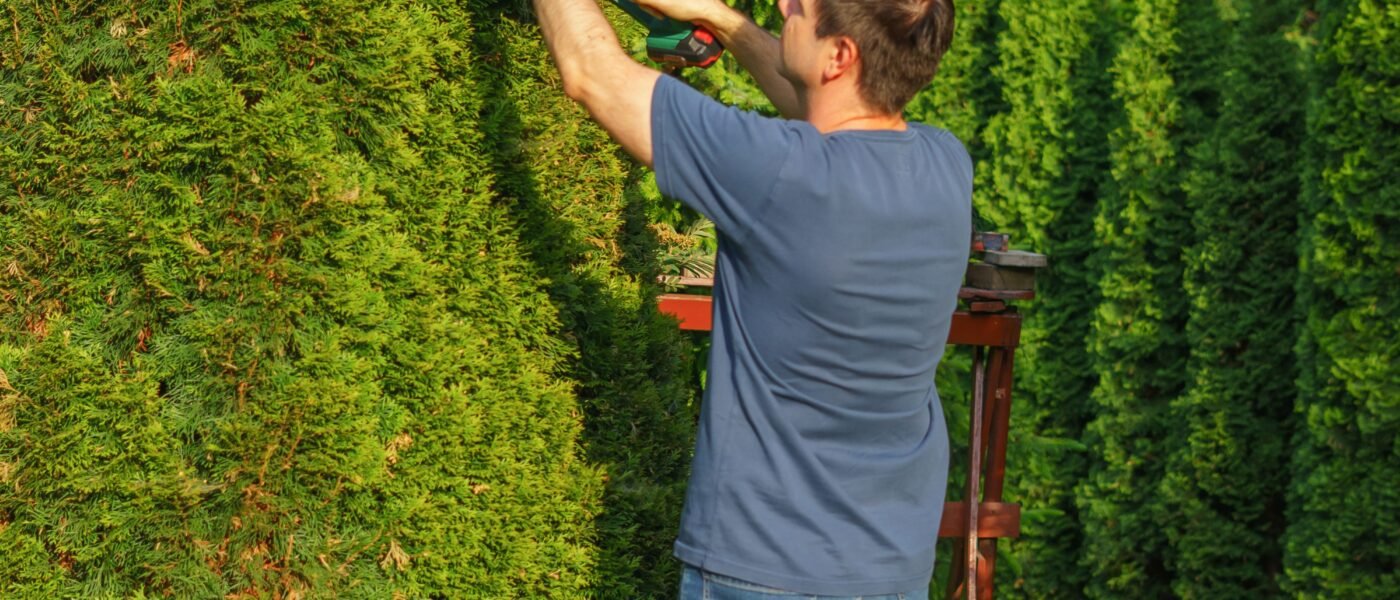
Most people assume that convenience means cordless. But the reality is more nuanced. Over the decades, I’ve seen trimmers destroy wrists, trip up gardeners, and frustrate people to the point of giving up. The right choice depends on your specific mobility, strength, and garden size. Let me walk you through what I’ve learned from both my own mistakes and the thousands of seniors I’ve advised.
The Weight Factor: Why Your Wrist Matters More Than Your Hedge
If your knees are telling you that kneeling in the garden is no longer an option, you are not alone. But equally important is what your hands and shoulders are saying. Hedge trimmers are inherently heavy tools, and the weight distribution varies dramatically between corded and cordless models.
Cordless hedge trimmers typically weigh between 6 to 10 pounds, with the battery adding significant heft. Many seniors I’ve worked with find that holding a cordless trimmer for extended periods causes elbow and wrist strain. The battery pack, usually mounted at the base, shifts the center of gravity backward, which can actually help balance the tool—but it also adds total mass. For someone with arthritis in their hands or shoulders, this extra weight becomes a dealbreaker after 15 minutes.
Corded hedge trimmers are generally lighter, averaging 5 to 7 pounds. Without a heavy battery, the tool sits more evenly in your hands. However, you are tethered to an outlet. That cord can be a trip hazard, but for many seniors, the reduced weight is worth the trade-off. I personally switched to a lightweight corded trimmer after a particularly bad flare-up in my right wrist, and I could trim my boxwood hedge without needing to rest every few minutes.
What Your Arthritis Has to Say
I’ve had arthritis for over 20 years, and I’ve learned that repetitive strain is the enemy. A cordless trimmer’s weight might force you to switch hands frequently, but a corded trimmer’s lighter frame allows for longer, more comfortable sessions. If you have moderate to severe arthritis, I lean toward corded for the wrist savings—but only if your garden is small enough to reach an outlet.
Battery Life vs Extension Cord: The Practical Trade-Off
Here’s the third style: a surprising fact that flips assumptions. Most senior gardeners quit not because they lose interest—they quit because nobody told them the right tools exist. And when it comes to power source, the right tool depends on how you garden.
Cordless hedge trimmers offer freedom of movement. You can walk your entire property without dragging a cord. Modern lithium-ion batteries last between 30 to 60 minutes on a single charge. For a small urban hedge, that’s perfect. But here’s the catch: battery performance degrades over time. After a year or two, your trimmer might cut out after 20 minutes. Replacement batteries are often expensive—sometimes costing half the price of a new tool. I’ve seen seniors frustrated when their trimmer dies mid-hedge, leaving a half-finished mess.
Corded hedge trimmers provide constant, full power. No waiting for a recharge, no anxiety about battery life. The limitation is the cord length—usually 50 to 100 feet. If your hedge is near the house, you’re golden. If it’s at the back of a large lot, you’ll need an extension cord. That cord can be a tripping hazard, especially if you’re not careful. I once tripped over my own cord while trimming a tall hedge, and I learned the hard way to secure it with a stake or run it along a pathway. But for seniors with smaller gardens, the cord is a minor inconvenience compared to the reliability of constant power.
Ease of Use: Which One Won’t Leave You Exhausted?
There was a specific afternoon I realized I had to change everything about the way I gardened, or give it up entirely. I was 63, trying to trim a 6-foot tall laurel hedge with a cordless trimmer that had a poorly balanced handle. My left hand was cramping, my right shoulder was burning, and I had only done half the job. That day, I borrowed my neighbor’s corded trimmer—a lightweight model with an ergonomic handle—and finished the entire hedge in 20 minutes with zero pain.
Cordless models often come with adjustable handles and variable speed triggers, which can help seniors control the cutting rate. The lack of a cord means you can maneuver freely around bushes without worrying about tangling. However, the weight distribution can be off-putting. Many seniors report that the battery pack pulls the tool down, requiring more arm strength to keep it level. Look for cordless trimmers with a rotating handle or a swivel head—these features reduce strain on the wrists.
Corded models are simpler to operate. They usually have a fixed handle and a trigger lock for continuous use. The lighter weight makes them easier to lift and hold overhead. The biggest downside is managing the cord. I always advise seniors to use a cord caddy or clip the cord to their belt loop to keep it out of the way. A 14-gauge extension cord is best—it’s thicker and less likely to get tangled.
Safety Considerations for Senior Gardeners
If you only add one tool to your garden shed this season, make it one that prioritizes safety—and I say that after decades of trying everything. For seniors, safety is not just about sharp blades; it’s about falls and fatigue.
Cordless hedge trimmers have no cord to trip over, which significantly reduces fall risk—a major concern for seniors with balance issues. They also tend to have better safety features like automatic blade stops when the trigger is released. However, the battery weight can make you wobble if you’re on uneven ground.
Corded hedge trimmers require careful cord management. A stray cord can catch your foot, especially if you’re stepping backward while trimming. Use a bright orange extension cord for visibility, and always plug into a GFCI outlet for electrical safety. The lighter weight of corded models helps you maintain better balance because you’re not fighting gravity. For seniors with knee or hip replacements, I recommend corded models for this reason alone.
Both types require ear and eye protection. I’ve seen too many seniors skip safety glasses, only to get a twig in the eye. Don’t be that person.
Maintenance and Long-Term Cost
Most senior gardeners quit not because they lose interest—they quit because nobody told them the right tools exist for their aging bodies. But even the right tool needs maintenance, and that’s another area where corded and cordless differ.
Cordless hedge trimmers require battery care. Lithium-ion batteries hate extreme heat and cold, so store them indoors. Battery replacement costs add up—usually $50 to $100 every 2-3 years. The blades need sharpening just like corded models, but the overall mechanism is simpler.
Corded hedge trimmers have fewer parts to fail—no battery, no charger, no electronics that can die. The motor is often more durable because it’s not limited by power draw. The cord itself can fray, especially if you run over it with a lawn mower. But generally, a corded trimmer from a reputable brand will last 10-15 years with basic care. For seniors on a fixed income, the long-term cost savings are significant.
My Personal Verdict After 15 Years in the Nursery
I’ve seen both sides of this debate. Here’s the honest truth: if your garden is small (under 20 feet of hedge), you have mild arthritis, and you want the convenience of moving freely, a cordless hedge trimmer is a fine choice. Look for one under 7 pounds with a rotating handle and a high-capacity battery.
But if you have moderate to severe arthritis, balance concerns, or a larger garden, I strongly recommend a corded hedge trimmer. The lighter weight, constant power, and lower long-term cost make it the winner for most seniors. I’ve used my corded trimmer for 8 years with no issues, and it’s saved me from countless painful flare-ups.
Remember: the goal is to enjoy your garden, not fight with your tools. No trimmer is worth giving up the pleasure of a neatly shaped hedge. Choose based on your body’s needs, not marketing hype.
For more tips on ergonomic gardening tools for seniors, check out our Related Gardening Guide.
And if you want to learn more about managing arthritis while staying active outdoors, the Arthritis Foundation has excellent resources on adaptive gardening techniques.
Leave a Reply