Best Long-Handled Garden Trowels: No More Bending
Standard trowels force you to crouch, kneel, or bend at the waist. For anyone with arthritis in the knees, hips, or back—or even mild stiffness—this is a recipe for pain. A long-handled trowel extends your reach by 12 to 18 inches, allowing you to work from a standing or lightly seated position. This reduces joint stress and keeps you gardening longer, not in agony.
I remember my first season with a long-handled trowel. I was planting bulbs in October, and for the first time in years, I didn’t need to ice my knees afterward. The difference wasn’t just comfort—it was freedom. You can’t put a price on that.
Key Features to Look For in a Long-Handled Trowel
Not all long-handled trowels are created equal. After testing dozens over the years, here’s what matters most for arthritic hands and aging bodies:
- Ergonomic Handle: Look for a padded, non-slip grip that fits your hand comfortably. A D-shaped or T-shaped handle distributes force evenly and reduces strain on finger joints.
- Lightweight but Durable: Aluminum or carbon steel heads are best. Avoid heavy cast iron that tires your arms quickly.
- Serrated or Sharp Edges: A trowel that cuts through compacted soil without needing extra pressure is essential. Serrated edges help break roots and clay.
- Length: Aim for 24 to 36 inches total. Too short and you’ll still bend; too long and you lose control.
- Angled Blade: A 15- to 30-degree angle on the blade lets you dig without twisting your wrist awkwardly.
My Top Picks for Long-Handled Garden Trowels
I’ve used these models personally and recommended them to countless gardeners. They all meet the criteria above, but each has a unique strength.
1. Fiskars Ergo Trowel (Long-Handled Version)
This was the first long-handled trowel I truly loved. The handle is cushioned and contoured to fit a natural grip. The blade is sharp and serrated, making it easy to cut through tough soil. It’s also lightweight enough to use for hours. NBC Best Pick mention: This model was featured in an NBC segment on arthritis-friendly gardening tools, and for good reason. It’s reliable and affordable.
2. Radius Garden 100% Ergonomic Trowel
Radius Garden tools are designed with a unique, oversized handle that supports your palm and fingers without forcing a tight grip. The long-handled version extends your reach significantly. I’ve found it excellent for planting bulbs and small perennials. The handle material is soft and warm to the touch, which helps if your hands are sensitive to cold metal.
3. Spear & Jackson Kew Gardens Collection Trowel
This is a premium option with a stainless steel blade that resists rust. The handle is made from ash wood with a comfortable grip. While not as heavily padded as the Fiskars, it offers excellent leverage and control. I recommend this for gardeners who prefer a more traditional aesthetic but still need the long handle.
How to Use a Long-Handled Trowel Correctly
Even the best tool won’t help if you use it wrong. Here are my tips from years of hands-on experience:
- Stand with feet shoulder-width apart. This gives you stability and allows your core to do the work, not your arms.
- Use a rocking motion. Push the blade into the soil with your foot or hand, then rock the handle back to loosen the dirt. Don’t twist your wrist.
- Keep your wrist straight. The angled blade is designed to do the work—let it. If you feel strain in your wrist, adjust your grip.
- Work in small sections. Don’t try to dig a large hole in one go. Take several smaller digs to protect your joints.
Common Mistakes to Avoid
I’ve seen gardeners abandon long-handled trowels because they chose the wrong one or used it poorly. Here’s what to avoid:
- Choosing a trowel that’s too long. A 48-inch trowel may seem ideal, but it’s often unwieldy and hard to control. Stick with 24 to 36 inches.
- Ignoring handle diameter. If you have small hands, a thick handle will be uncomfortable. Test the grip before buying.
- Forgetting to maintain the blade. A dull blade requires more force. Sharpen it seasonally or replace it when needed.
Maintenance Tips to Extend the Life of Your Trowel
I still follow the same maintenance habits I learned in the nursery. A well-cared-for trowel lasts decades:
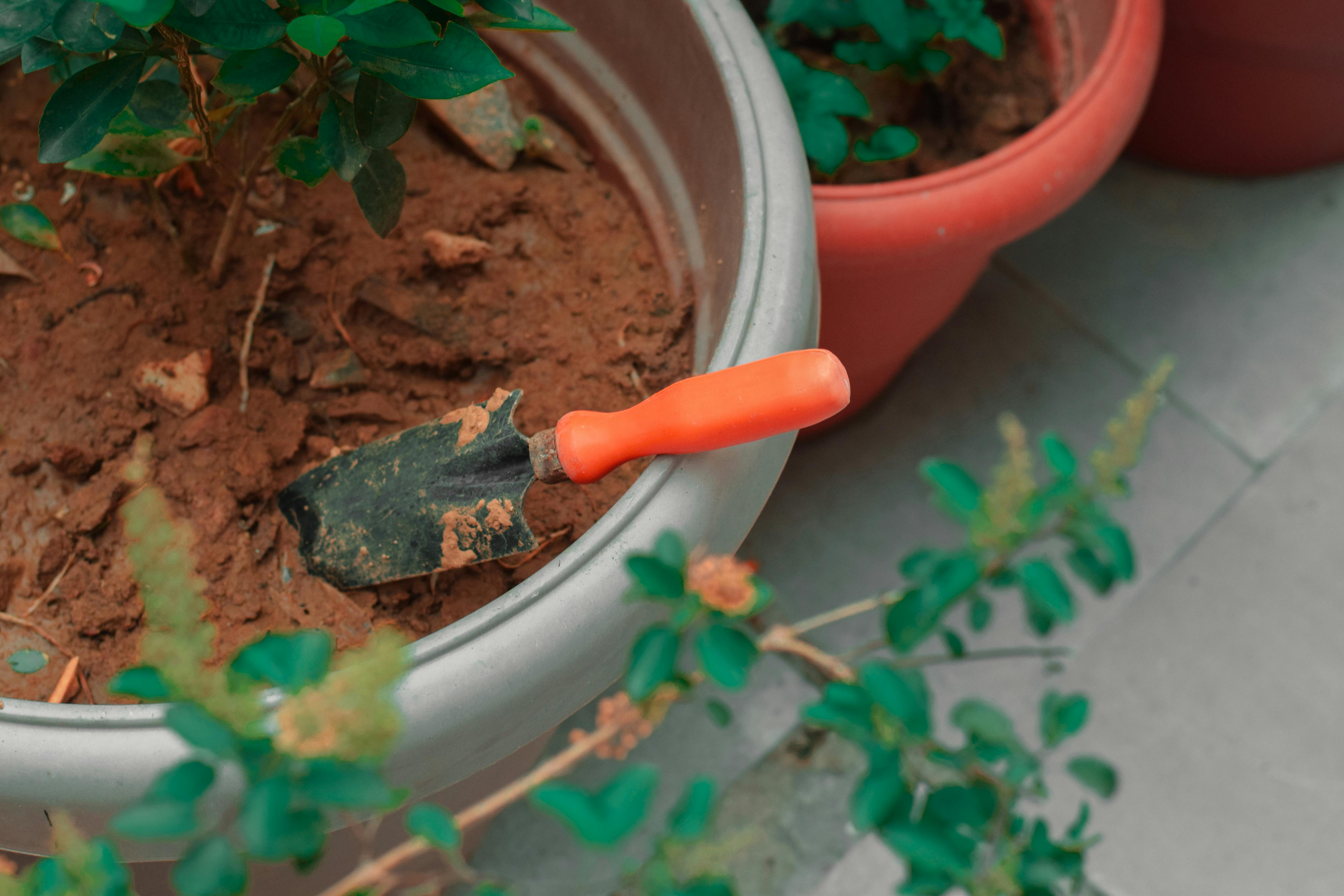
- Clean after each use. Rinse off soil and dry thoroughly. Moisture causes rust and weakens handles.
- Oil wooden handles. Apply linseed oil once a year to prevent cracking.
- Store indoors. Don’t leave your trowel in the garden shed where temperature changes can damage the handle.
- Check for loose connections. Tighten screws or bolts annually to keep the blade secure.
Final Thoughts: Garden Without Pain
I’ve been gardening for over 40 years, and I refuse to let arthritis stop me. A good long-handled trowel is not a luxury—it’s a necessity for anyone who wants to keep gardening into their golden years. Whether you choose the Fiskars, Radius Garden, or Spear & Jackson, the key is to find one that fits your hand and your garden’s needs. Remember, the best tool is the one you enjoy using. Happy planting, and may your knees thank you.
Leave a Reply