Best Garden Gloves for Seniors – Protection & Grip for Arthritic Hands
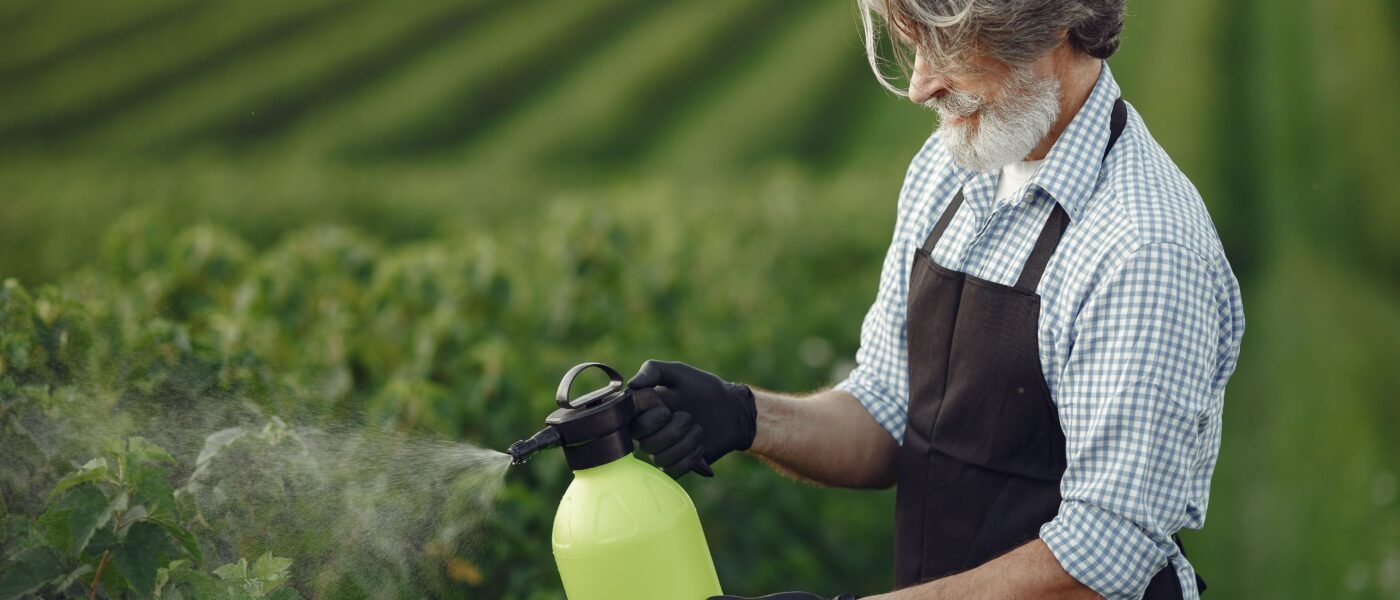
Most senior gardeners quit not because they lose interest—they quit because nobody told them the right tools exist. I remember the first spring my arthritis got bad. I was still trying to use the same cotton gloves I had worn for decades, and by noon, my knuckles were swollen and throbbing. That afternoon, I sat on my back porch and nearly gave up. But then I remembered something I had learned in my nursery days: the right glove can transform the entire experience, especially when your hands are not what they used to be. This guide is built on that hard-won wisdom, and it will help you find a pair that works with your hands, not against them.
Garden gloves for arthritic hands need to solve three specific problems: padding in the right places, a cuff that comes off without a struggle, and fabric that breathes so your hands do not sweat and ache more. I have tested dozens of pairs over the years, and I have winnowed the field down to the ones that truly deliver. Below, we break down the top styles, materials, and features that make a glove worth your investment.
Why Seniors Need Special Garden Gloves
Standard garden gloves are designed for younger, stronger hands that can tolerate friction and pressure. But as we age, our skin thins, our joints become more sensitive, and arthritis can turn a simple task like gripping a rake handle into an ordeal. The best garden gloves for seniors address these changes head-on with thoughtful design elements.
- Padded palms cushion the pressure points where your fingers meet the palm, reducing the impact of repetitive motions like digging or pruning.
- Easy-off cuffs mean you can remove the gloves without twisting or pulling hard, which is a godsend when your wrists are stiff.
- Breathable fabric prevents moisture buildup, which can exacerbate swelling and discomfort during long gardening sessions.
I have seen too many seniors give up on gardening because they thought the pain was just part of getting older. It is not. The right gloves can make the difference between a season of frustration and a season of joy.
Key Features to Look for in Garden Gloves for Arthritic Hands

When you are shopping for garden gloves for seniors, ignore the marketing hype and focus on these four non-negotiable features. I learned this through trial and error over many painful springs.
1. Padded Palms and Fingers
The padding should be thick enough to absorb shock but not so bulky that you lose dexterity. Look for gloves with foam or gel padding sewn into the palm area. This is especially important if you do a lot of planting, weeding, or using hand tools. Without padding, the pressure from gripping a tool handle transfers directly to your arthritic joints.
2. Easy-Off Cuffs That Do Not Require a Battle
A cuff that is too tight or has a stiff elastic band can be nearly impossible to remove when your hands are sore. The best garden gloves for seniors feature a long, open cuff with a pull-tab or a hook-and-loop closure that you can easily undo even with limited hand strength. Some gloves even have a loop at the cuff that you can hook over a peg to pull the glove off one-handed—a trick I wish I had known years ago.
3. Breathable, Moisture-Wicking Fabric
Cotton gloves may feel soft, but they soak up sweat and stay damp, which can worsen arthritis pain and lead to skin irritation. Instead, choose gloves made from synthetic blends like nylon, spandex, or bamboo fiber that wick moisture away. For hot days, look for mesh back panels that let air circulate.
4. Non-Slip Grip Material
Arthritis can reduce grip strength, making it easy to drop tools or plants. Gloves with a textured rubber or silicone coating on the palm and fingers provide the extra traction you need to hold things securely without having to squeeze so hard. This feature alone can prevent many frustrating moments in the garden.
Top Styles of Gloves for Seniors: Gripping, Thorn-Proof, and Liner-Free
Not all gardening tasks are the same, and neither are the gloves. Based on my decades of experience, here are the three main categories of garden gloves for seniors that I recommend, along with what each excels at.
Gripping Gloves for Planting and General Work
These are your everyday workhorses. They feature a snug fit, plenty of padding, and a textured palm that helps you hold onto everything from seed packets to watering cans. I use these for most of my gardening because they balance protection and dexterity perfectly. Look for a pair with a reinforced thumb and index finger, since those areas take the most abuse when planting.
One model I swear by has a bamboo blend that is incredibly soft yet durable, and the silicone grip pattern has saved me from dropping my favorite trowel countless times. For seniors, the key is to find a glove that feels like a second skin—not too loose, not too tight.
Thorn-Proof Gloves for Pruning and Rose Care
If you have roses, blackberries, or any prickly plants in your garden, thorn-proof gloves are essential. Standard gloves will not stop a thorn from piercing your skin, and a puncture wound can be serious for seniors with thinner skin or circulation issues. Look for gloves made from leather or heavy-duty synthetic materials with reinforced fingertips and a gauntlet-style cuff that extends up your forearm.
I have tested several pairs over the years, and the best ones for seniors are those that do not sacrifice flexibility for protection. Some thorn-proof gloves are so stiff you cannot feel what you are doing, which can lead to accidental cuts. A well-designed pair will have a flexible palm and articulated fingers, so you can still prune with precision.
Liner-Free Gloves for Maximum Comfort and Quick Removal
Many traditional garden gloves have a fabric liner inside that can bunch up, cause friction, and make it hard to slide your hands in and out. Liner-free gloves are constructed as a single piece, usually from a stretchy, breathable material like spandex or nylon with a coating on the palm. They slip on and off effortlessly, which is a huge advantage when your hands are stiff or swollen.
These are also the lightest option, making them ideal for warm weather or for tasks that require fine motor skills, like transplanting seedlings. I keep a pair of liner-free gloves hanging by my back door for quick trips outside. They are not as durable as leather gloves, but for light work, they are unmatched in ease of use.
Comparison Table: Top Picks for Seniors
- Best for Everyday Planting: Gloves with bamboo or synthetic blend, padded palm, and silicone grip. Lightweight and breathable. Price range: $15–$25.
- Best for Thorn Protection: Goatskin or cowhide leather gloves with reinforced fingertips and gauntlet cuffs. Look for ones with a cotton lining to reduce sweat. Price range: $25–$40.
- Best for Quick, Easy Wear: Liner-free nitrile-coated gloves. Stretchy, breathable, and no interior seams to irritate. Price range: $10–$20.
- Best for Heavy Duty or Digging: Gloves with extra thick foam padding and a rubberized palm. Look for a long cuff to keep soil out. Price range: $20–$35.
Remember, the most expensive glove is not always the best for your specific needs. I have seen seniors spend $50 on a pair of premium leather gloves only to find them too stiff to wear. Always prioritize fit and comfort over brand name or price tag.
How to Choose the Right Fit for Arthritic Hands
Getting the right fit is arguably the most important factor when selecting garden gloves for seniors. A glove that is too tight will compress your joints and increase pain. A glove that is too loose will cause friction blisters and make gripping harder. Here is my simple method for finding your perfect size.
First, measure the circumference of your hand around the knuckles, excluding the thumb. Then, measure the length from the base of your palm to the tip of your middle finger. Most glove manufacturers provide a size chart based on these measurements. Do not guess your size based on what you wore ten years ago—our hands change as we age, and a size medium may now be a large for you.
Second, pay attention to the cuff. You want a cuff that is long enough to cover your wrist but not so tight that it leaves marks on your skin. A hook-and-loop closure is ideal because you can adjust it to exactly the right snugness. Some gloves also have a knitted cuff that stretches, but be careful—if it is too elastic, it can dig into your wrist.
Finally, try the gloves on with your gardening tools in hand. Pick up a trowel, a rake, and a watering can. Do your fingers cramp up? Is the padding in the right place? Does the grip feel secure? If you can, wear them for five minutes around the house to see if any hot spots develop. A few minutes of testing now can save you months of discomfort later.
Common Mistakes Seniors Make When Buying Gloves
Over the years, I have watched countless customers make the same mistakes when buying garden gloves. Here are the top three, along with how to avoid them.
- Mistake 1: Buying gloves that are too tight. Many people think a tighter glove gives better control, but for arthritic hands, it does the opposite. It restricts blood flow and increases pain. Always go up a size if you are between sizes.
- Mistake 2: Ignoring the cuff. A short cuff that does not cover the wrist leaves your skin exposed to soil, thorns, and sun. A good cuff protects the sensitive skin on your wrists and makes removal easier.
- Mistake 3: Choosing fashion over function. I have seen beautiful floral-patterned gloves that look lovely but offer zero padding or grip. Your gloves are a tool, not an accessory. Prioritize features that protect your hands.
I made all of these mistakes myself. When I first started gardening after my arthritis flared up, I bought a pair of cheap cotton gloves because they were pretty. They lasted exactly one day before I gave up in frustration. Do not repeat my errors.
Caring for Your Garden Gloves to Make Them Last
Good garden gloves for seniors can last for years with proper care. Here is how I keep mine in top shape. After each use, tap out any loose soil or debris. If the gloves are dirty, hand wash them in cool water with mild soap—never machine wash, as the agitation can damage the padding and the grip coating. Air dry them flat, away from direct heat or sunlight, which can crack rubber coatings.
For leather gloves, condition them occasionally with a leather balm to keep the material supple. Pay special attention to the fingertips and palm areas, which take the most abuse. If your gloves have a silicone or nitrile coating, avoid folding them tightly, as this can cause the coating to peel. Store them in a dry, cool place, ideally hanging by the cuff to maintain their shape.
I keep a small hook by my back door just for my gloves. It takes two seconds to hang them up, and it saves me from having to buy new ones every season. A little care goes a long way.
When to Replace Your Gloves
Even the best garden gloves for seniors will eventually wear out. Replace them when you notice any of these signs: holes or thin spots in the fabric, a cracked or peeling grip coating, or a cuff that has lost its elasticity. If the padding becomes compressed and no longer cushions your palms, it is time for a new pair. Using worn-out gloves can actually increase your risk of injury, because you will have to grip harder to compensate for the lack of protection.
I replace my primary pair of gloves every 12 to 18 months, depending on how much I garden. It is a small investment compared to the joy of working in the garden pain-free.
The Best Garden Gloves Are the Ones You Will Actually Wear
After fifteen years of running a nursery and another twenty years gardening with arthritis, I can tell you with confidence that the best garden gloves for seniors are the ones that disappear on your hands—the ones you put on and forget about because they fit perfectly, breathe well, and let you focus on the plants instead of the pain. Do not settle for less. Your hands have earned the right to be comfortable.
If you are still using the same gloves you bought years ago, take this as your sign to upgrade. Your garden will thank you, and more importantly, your hands will thank you. For more tips on making gardening easier as we age, check out our Related Gardening Guide for seniors. And if you have any questions about specific glove models, do not hesitate to ask—I have tested more than I care to count.
For additional guidance on managing arthritis pain while staying active, the Arthritis Foundation offers excellent resources on joint-friendly activities and tools.
Leave a Reply