Best Garden Carts and Wagons for Seniors – Haul Soil & Plants Without Strain
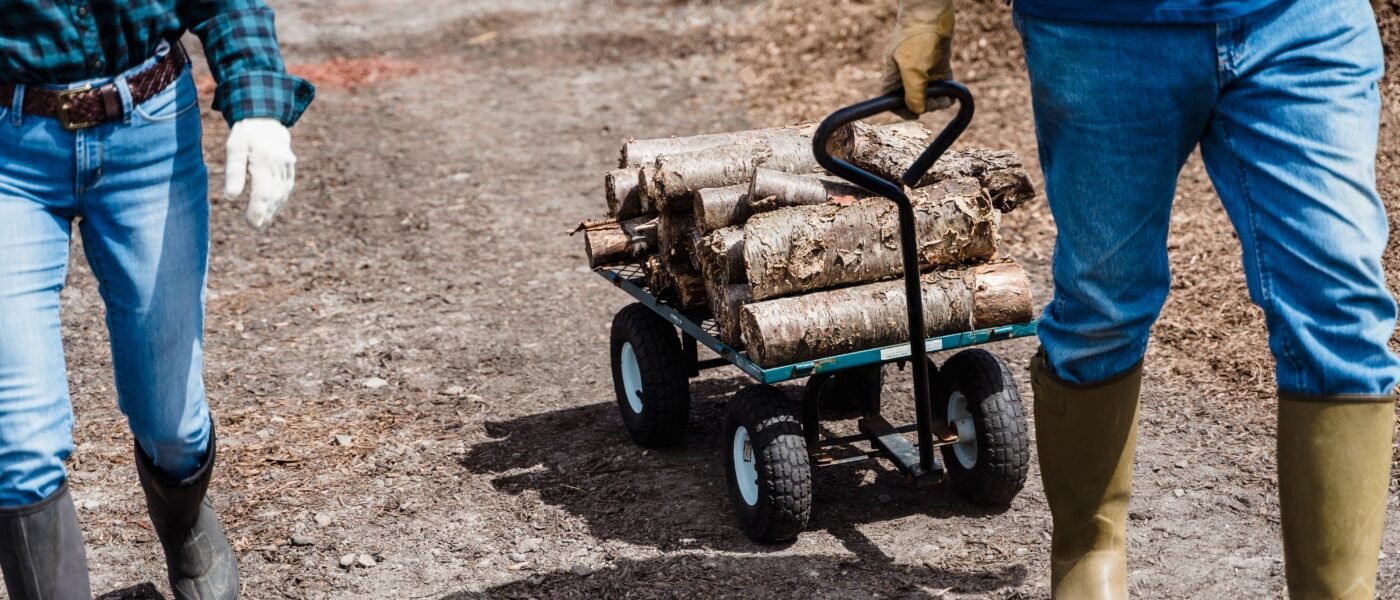
If your knees are telling you that hauling mulch across the yard is no longer an option, you are not alone. I remember the exact moment I knew I had to change everything about how I moved heavy loads in my garden. It was a crisp May morning in 1992, and I was trying to wrestle a 50-pound bag of topsoil into a wheelbarrow that had seen better days. My left knee buckled, my lower back seized up, and I spent the next three days on the couch with ice packs and ibuprofen. That was the turning point. Arthritis doesn’t care about your experience. It cares about your joints. That’s when I started researching the best garden carts and wagons for seniors—tools that let you haul soil and plants without strain. And let me tell you, the difference is night and day.
The truth is, most senior gardeners quit not because they lose interest—they quit because nobody told them the right tools exist. I’ve seen it firsthand: retirees with decades of gardening love suddenly stop because a simple trip to move a bag of potting mix leaves them in pain. That’s why I’m writing this today. I want to share what I’ve learned about folding wagons, collapsible wheelbarrows, and even electric carts that can transform your gardening experience. A sturdy cart isn’t just a convenience; it’s a lifeline for staying active and independent in the garden.
Why Traditional Wheelbarrows Are Dangerous for Seniors
Let me get this out of the way: I love wheelbarrows. I used one every day for 15 years at my nursery. But I also learned the hard way that they are not designed for aging bodies. A standard two-wheeled wheelbarrow requires you to lift a heavy load from the ground, balance it on a single point, and push it over uneven terrain. That’s a recipe for disaster when you have arthritis in your hands, shoulders, or lower back. Studies show that pushing a loaded wheelbarrow can put up to 200% of your body weight on your spine. For seniors with osteoarthritis, that’s a direct path to injury.
The good news? Modern garden carts and wagons are engineered to eliminate that strain. They distribute weight evenly, keep the load low to the ground, and require minimal lifting. Some even have electric motors that do the work for you. If you’re still using an old wheelbarrow, I urge you to consider switching. Your back will thank you.
What Makes a Garden Cart “Senior-Friendly”?
Not all carts are created equal. After testing dozens of models over the years, I’ve identified the key features that make a garden cart truly senior-friendly. Here’s what to look for:
- Low-Dump Design: The best garden carts and wagons for seniors have a low center of gravity. This means you don’t have to lift heavy loads high off the ground. Look for carts where the bed sits no higher than 18 inches when empty.
- Pneumatic Tires: Air-filled tires absorb bumps and provide better traction on grass, gravel, or dirt. Solid tires are cheaper but can rattle your joints.
- Ergonomic Handles: Look for padded, angled handles that reduce wrist strain. Some models have handles that can be adjusted for height, which is a game-changer if you have back pain.
- Foldability: A folding wagon collapses flat for storage in a garage or trunk. This is crucial for seniors who don’t have a lot of space.
- Weight Capacity: Aim for at least 300 pounds if you plan to haul soil or large pots. Anything less is for light-duty tasks like moving groceries.
- Electric Assist: For those with severe arthritis or mobility issues, an electric cart can take the work out of hauling entirely. More on this below.
These features aren’t luxuries—they are necessities for anyone with joint pain. I learned this the hard way after buying a cheap cart from a big-box store that fell apart in one season. Invest in quality, and it will pay off for years.
The Best Garden Carts and Wagons for Seniors: Top Picks
I’ve categorized my recommendations into three types: folding wagons, collapsible wheelbarrows, and electric carts. Each serves a different purpose, so choose based on your specific needs.
1. Folding Wagons: Versatile and Easy to Store
Folding wagons have become incredibly popular for good reason. They are light, easy to fold, and can handle a surprising amount of weight. I use one myself for hauling bags of potting mix and small pots. The best garden carts and wagons for seniors in this category include:
- The Gorilla Carts GOR400: This is my personal favorite. It has a 400-pound capacity, a low-dump design, and pneumatic tires that glide over rough ground. The handle is ergonomic and folds flat. It’s not cheap, but it’s built to last.
- The Mac Sports Collapsible Wagon: A budget-friendly option with a 150-pound capacity. It’s great for light loads like gardening tools or small plants. The fold is incredibly easy—one hand and it collapses. I recommend this for seniors who only need to haul small items.
- The Radio Flyer Town & Country: Yes, the same brand from your childhood. This wagon has a 300-pound capacity, a steel frame, and a folding handle. It’s perfect for moving mulch or soil bags. The only downside is the small wheels, which can struggle on thick grass.
Folding wagons are ideal if you need a cart that can also double as a transport vehicle for picnics or trips to the farmer’s market. But for heavy-duty gardening, you’ll want something more rugged.
2. Collapsible Wheelbarrows: Lightweight and Maneuverable
If you still like the idea of a wheelbarrow but want something easier on your joints, consider a collapsible wheelbarrow. These are designed to fold flat for storage and have a single wheel that makes them easy to steer. The key difference from traditional wheelbarrows is the low-profile bed and ergonomic handles. The best garden carts and wagons for seniors in this category include:
- The WORX Aerocart: This is a brilliant multi-tool. It converts from a wheelbarrow to a hand truck to a cart. It folds flat and weighs only 26 pounds. The handles are padded, and the tires are puncture-proof. I use it for moving heavy bags of soil up steps. It’s a bit pricey but worth every penny.
- The Giantex Collapsible Wheelbarrow: A more affordable option with a 330-pound capacity. It has a steel frame and a canvas bin that can be removed for cleaning. The fold is easy, and it fits in a car trunk. The only issue is the canvas can wear over time, but it’s replaceable.
- The Fiskars 26-Inch Wheelbarrow: Fiskars is known for ergonomic tools, and this wheelbarrow is no exception. The handles are angled to reduce strain on your wrists, and the wheel is large enough to roll over small obstacles. The capacity is 260 pounds, which is enough for most home gardening tasks.
Collapsible wheelbarrows are a good middle ground. They are more stable than traditional wheelbarrows but still give you that familiar feel. If you have moderate arthritis, this might be the sweet spot.
3. Electric Carts: The Ultimate Solution for Severe Arthritis
Now, let’s talk about the heavy lifter—literally. Electric garden carts are a game-changer for seniors with severe arthritis or mobility issues. These carts have a battery-powered motor that drives the wheels, so you barely have to push. The best garden carts and wagons for seniors in this category include:
- The Venture One Electric Cart: This is not cheap (around $2,000), but it’s a medical-grade device. It has a 500-pound capacity, a low-lying bed, and a steering handle that controls speed. I’ve seen seniors with walkers use this cart to move heavy loads without any strain. The battery lasts up to 6 hours on a single charge.
- The E-Wagon by Smart Cart: A more affordable electric option at around $800. It has a 300-pound capacity and a top speed of 3 mph. The handle has a thumb throttle that’s easy to use even with arthritic hands. The wheels are large and pneumatic, so it handles grass and gravel well.
- The PowerWagon 500: This is a DIY option that can be attached to a standard garden trailer. It’s a battery-powered motor kit that you install on an existing cart. It’s not as refined as the others, but it’s a great way to upgrade a cart you already own.
Electric carts are a significant investment, but if you have chronic pain or fatigue, they can keep you gardening for years. I recommend trying one before buying if possible. Some garden centers have demo days.
How to Choose the Right Cart for Your Needs
Choosing the best garden carts and wagons for seniors depends on your specific physical limitations and the type of gardening you do. Here’s a quick guide:
- If you have mild arthritis: A folding wagon with pneumatic tires will serve you well. Look for a model with a low-dump design to avoid heavy lifting.
- If you have moderate arthritis: A collapsible wheelbarrow with ergonomic handles is your best bet. The WORX Aerocart is a top choice.
- If you have severe arthritis or use a walker: Invest in an electric cart. The Venture One is the gold standard.
- If you garden on steep slopes or uneven terrain: Look for a cart with large wheels (at least 10 inches in diameter) and a sturdy frame. Pneumatic tires are essential here.
Don’t forget to consider storage space. If you live in an apartment or have a small garage, a folding cart is non-negotiable. Measure your trunk or shed before buying to ensure the cart fits when collapsed.
My Personal Experience: What Worked for Me
I’ll be honest: I resisted electric carts for years. I thought they were unnecessary and expensive. But after a particularly bad flare-up in my left knee (the same one that gave out in 1992), I borrowed a Venture One from a friend. I spent the afternoon moving 200 pounds of compost across my yard without any pain. That was the moment I realized I was wrong. Electric carts aren’t a crutch—they are a tool that allows you to keep doing what you love. Now, I use a folding wagon for light loads and a collapsible wheelbarrow for heavier jobs. My advice? Don’t wait until you’re in pain to upgrade.
One more tip: always test the handles. I have arthritis in my hands, so I need handles that are padded and angled. Some carts have foam handles that are comfortable but can deteriorate in the sun. Look for rubber or gel-filled handles that are UV-resistant. And if you have trouble gripping, consider adding a simple bicycle handlebar grip—it can make a world of difference.
Maintenance Tips to Extend the Life of Your Cart
Once you invest in a quality cart, take care of it. Here are some maintenance tips I’ve learned over the years:
- Clean the wheels: Mud and grass can clog the axles. Rinse them off after each use, especially if you’ve been working in wet soil.
- Lubricate moving parts: Use a silicone spray on hinges and folding mechanisms every few months. This prevents rust and keeps the cart folding smoothly.
- Check tire pressure: Pneumatic tires lose air over time. Keep a small pump in your shed and check the pressure monthly. Underinflated tires make the cart harder to push.
- Store indoors: Even the best carts can rust if left outside. Store yours in a garage, shed, or under a tarp. If you have a folding cart, collapse it to save space.
A well-maintained cart can last 10 years or more. I still use a Gorilla cart I bought in 2015—it’s been through three moves and countless gardening seasons.
Safety Tips for Using Garden Carts as a Senior
Even with the best garden carts and wagons for seniors, safety matters. Here are a few rules I follow:
- Never overload: Exceeding the weight capacity can cause the cart to tip or the frame to bend. Stick to 80% of the listed capacity to be safe.
- Use both hands: When pushing or pulling, keep both hands on the handle. This provides better balance and reduces strain on one side of your body.
- Watch your footing: If you’re on a slope, walk alongside the cart rather than in front of it. If it tips, you don’t want to be under it.
- Take breaks: Hauling heavy loads is still work, even with a good cart. Listen to your body and rest when needed.
- Ask for help: If a load is too heavy to lift into the cart, ask a neighbor or family member for assistance. There’s no shame in it—I do it all the time.
These tips come from decades of trial and error. I’ve tipped more carts than I can count, and I’ve learned that caution always beats speed.
Related Gardening Guide
If you’re looking for more ways to garden without pain, check out our Related Gardening Guide on ergonomic tools for seniors. It covers everything from kneeling pads to long-handled pruners.
Stay in the Garden Longer
Gardening is one of the most rewarding activities for seniors—it keeps you active, connects you to nature, and provides fresh food and beauty. But it shouldn’t hurt. The best garden carts and wagons for seniors are not just about convenience; they are about preserving your ability to do what you love. Whether you choose a folding wagon, a collapsible wheelbarrow, or an electric cart, the investment is worth it. I’ve seen too many retirees give up gardening because they thought they had to suffer. You don’t. With the right tool, you can haul soil, plants, and tools without strain—and enjoy every minute of it.
For more information on managing arthritis while staying active, the Arthritis Foundation offers excellent resources.
Leave a Reply