Gardening with arthritis
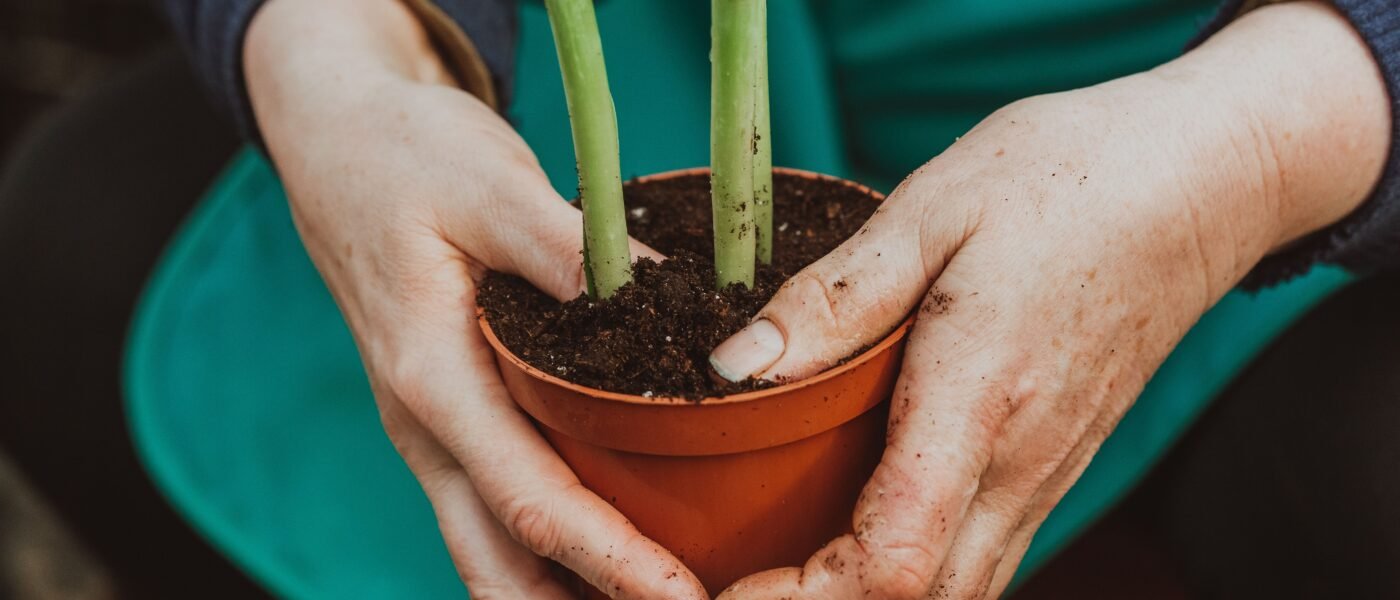
There was a specific afternoon I realized I had to change everything about the way I gardened, or give it up entirely. It was a humid July afternoon in 1992, and I was kneeling—or rather, trying to kneel—in front of a row of rudbeckia at my nursery. My knuckles were swollen like marbles, my knees felt like they were filled with broken glass, and I couldn’t grip the hand trowel anymore. After 12 years running the nursery, I thought I knew every trick. But arthritis didn’t care about my experience. It was that day, sitting in the dirt with tears of frustration, that I began my real education in gardening with arthritis. What I learned over the next three years—and over the three decades since—has kept me in the garden long after most of my peers gave up. This is not theory. This is what saved my garden.
By 1995, when I sold the nursery, I had developed a system that let me manage 200 perennial varieties and 500 annual flats with hands that could barely hold a coffee cup some mornings. Now, in my late 60s with osteoarthritis in both hands and both hips, I still maintain a 600-square-foot vegetable garden and 40 rose bushes. I am not special. I am stubborn and I learned what works. This article is everything I wish someone had told me the day my arthritis diagnosis arrived.
Why Gardening with Arthritis Requires a Different Approach
Most people assume that slowing down in the garden is just a natural part of getting older. After 15 years running a nursery and living with arthritis for 25 years, I disagree. Arthritis doesn’t have to mean the end of gardening. But it does mean the end of gardening the way you used to. The joints—especially knuckles, wrists, elbows, knees, and hips—bear the brunt of repetitive motions like digging, pruning, weeding, and watering. When inflammation sets in, the grip weakens, the pain flares, and suddenly the garden you love feels like an enemy.
Understanding the mechanics of gardening with arthritis is step one. Every motion you make—pulling, twisting, squeezing, kneeling—can either aggravate or accommodate your joints. The tools you choose, the posture you adopt, and even the time of day you garden can transform the experience from agony into joy. I learned this the hard way, but you don’t have to.
The Ergonomic Tool Kit That Saved My Hands
If you only add one tool to your garden shed this season, make it the Fiskars Ergo Trowel with the angled handle. I say that after decades of trying everything from cheap plastic handles to expensive German steel. The ergonomic trowel changed everything for me. Its padded, non-slip grip allows you to hold it with a relaxed fist rather than a tight pinch. The angled shaft keeps your wrist straight, which reduces strain on the carpal tunnel and the thumb joint—both common arthritis hot spots. I have owned three of them over 15 years. They are not expensive. They are indispensable.
Beyond the trowel, here is the exact tool list I recommend for anyone gardening with arthritis:
- Ratchet pruners: These are not optional. Standard bypass pruners require a strong grip to cut through anything thicker than a pencil. Ratchet pruners use a mechanism that cuts in stages, multiplying your force so you only need light squeezes. The ARS Ratchet Pruner is my go-to. I can prune a 1-inch branch with three gentle squeezes instead of one crushing squeeze.
- Long-handled weeders: Never bend from the waist again. A stand-up weeder with a foot pedal lets you remove dandelions, thistles, and crabgrass without kneeling or stooping. The Grampa’s Weeder is a classic for a reason—it works, and it saves your back and knees.
- Kneeling pad or garden stool: Do not kneel directly on the ground. Use a thick foam pad or, better yet, a rolling garden stool that lets you scoot along beds while sitting. I use the Garden Scoot, which has a low center of gravity and handles. When you garden with arthritis, elevation is your friend.
- Ergonomic watering wand: Standard spray nozzles require a constant squeeze. A trigger-style watering wand with a lockable handle lets you water without holding pressure. I recommend the Dramm ColorStorm wand—it’s lightweight, has an angled head, and the trigger locks open.
- Foam pipe insulation: This is my secret weapon. Buy a 6-foot length of foam pipe insulation from the hardware store. Cut it into 6-inch lengths and slide them over the handles of all your tools—rakes, hoes, shovels, trowels. It increases the diameter of the handle, which reduces the grip force needed. Your fingers will thank you.
These tools are not luxuries. They are the difference between gardening with arthritis and giving up on gardening entirely. I have seen too many seniors quit because they thought it was just “too hard” now. It’s not too hard. You just need the right equipment.
Garden Design Changes That Reduce Joint Strain
After my diagnosis in 1990, I redesigned my entire home garden. The nursery was too large to change, but my personal space became a laboratory for arthritis-friendly gardening. Here is what I learned about garden layout:
Raised Beds: The Single Best Investment for Gardening with Arthritis
Raised beds at waist height eliminate almost all bending and kneeling. I built mine 30 inches high and 4 feet wide, with a 2-foot aisle between them. I can sit on a stool or stand upright while planting, weeding, and harvesting. The key is the height—too many people build raised beds at 12 inches, which still requires bending. Go to 24 to 30 inches. You will never look back. My vegetable production actually increased because I could tend the beds more frequently without pain.
If you cannot build raised beds, consider vertical gardening. Trellises for peas, beans, cucumbers, and tomatoes bring the plants up to eye level. I have a 6-foot trellis system made of cattle panels that lets me pick tomatoes while standing straight. No squatting. No stooping. No pain.
Path Width and Surface Matter
Make your garden paths at least 3 feet wide so you can walk through without twisting. Use a firm, level surface like decomposed granite or paving stones. Uneven ground is a fall hazard and forces you to compensate with your joints. I learned this after a fall in 1993 that put me on crutches for six weeks. Smooth paths are a safety feature, not a cosmetic one.
Work Techniques for Arthritic Hands and Knees
Even with the best tools and garden design, how you work matters. After 15 years in the nursery, I developed techniques that minimized joint stress while maximizing output. Here are the non-negotiable rules I follow:
- Warm up before gardening: Spend 5 minutes doing gentle hand stretches—making fists, spreading fingers wide, rotating wrists. I also walk around the garden for a few minutes before starting. Cold joints hurt more. Warm joints work better.
- Use both hands: Whenever possible, use two hands for a task. For example, when using a hand trowel, place your other hand on top of the hand holding the trowel. This spreads the force across both arms and reduces the load on individual joints.
- Time your sessions: I garden in 20-minute blocks with 10-minute breaks. Set a timer. Do not push through pain. Pushing through pain causes inflammation that lasts for days. Fifteen years in the nursery taught me that the most productive gardeners are the ones who pace themselves, not the ones who push hardest.
- Alternate tasks: Do not prune for an hour straight. Alternate 10 minutes of pruning with 10 minutes of watering or deadheading. Changing hand positions and muscle groups prevents repetitive strain.
- Use a cart or wagon: Never carry soil, mulch, or plants. I use a two-wheeled garden cart with pneumatic tires. It carries everything, and I pull it instead of carrying. My shoulders and hands are grateful.
- Soak after gardening: A warm Epsom salt soak for your hands and knees after gardening reduces inflammation and stiffness. I do this every time I come inside. It is not optional.
The Role of Pain Management in Gardening with Arthritis
I am not a doctor, and I always recommend consulting a rheumatologist or physical therapist. But I have lived with this for 25 years, and I have found strategies that work. First, timing my medications. I take my anti-inflammatory medication about 45 minutes before I start gardening. This gives it time to work. I also use topical creams with capsaicin or diclofenac on my hands and knees before putting on gloves. The combination reduces pain significantly.
Heat is my friend. I use a heating pad on my hands for 10 minutes before gardening. Cold is my friend after—I use an ice pack on any joints that feel inflamed. Learn what works for your body. For me, heat before and cold after is the golden rule. For others, it might be the reverse.
For more detailed medical guidance on managing arthritis pain, the Arthritis Foundation has an excellent resource on gardening with arthritis. I also recommend talking to your doctor about whether occupational therapy might help. An occupational therapist can teach you specific joint protection techniques that I learned only through decades of trial and error.
Seasonal Adjustments for Less Painful Gardening
I have gardened in every season for 40 years. Here is how I adjust my approach throughout the year to manage arthritis:
- Spring: This is the most dangerous season for arthritis flare-ups because enthusiasm outweighs caution. Start slowly. Do not try to do everything in one weekend. I plant in 30-minute sessions and stop before I feel pain. The garden will wait.
- Summer: Heat can actually help arthritis by relaxing joints. But dehydration worsens inflammation. I drink water constantly and wear a cooling towel around my neck. I garden early in the morning or late in the evening when temperatures are lower.
- Fall: Raking leaves is a major arthritis trigger. I use a leaf blower or a lightweight rake with an ergonomic handle. I also hire a neighbor’s teenager to do the heavy raking. There is no shame in asking for help.
- Winter: This is when joint stiffness is worst. I focus on planning, tool maintenance, and indoor gardening. I sharpen my pruners, oil my tools, and start seeds in a small indoor setup. I also do indoor hand exercises to keep my fingers flexible.
Mistakes I Made with Arthritis in the Garden
I want to share my biggest mistakes so you can avoid them. First, I kept using old tools that required a strong grip. I had a pair of pruning shears I loved, but they were 20 years old and required serious hand strength. I refused to replace them because they were “good quality.” That was stupid. Buy tools designed for arthritis. Your old tools are not worth the pain.
Second, I ignored the warning signs. I would feel a twinge in my thumb and keep going. Within 24 hours, my entire hand would be swollen. Now I stop at the first sign of pain. A 10-minute break can save you three days of recovery. Learn this lesson. I learned it the hard way.
Third, I insisted on doing everything myself. I was proud of my independence. But gardening with arthritis requires delegation. I now have a neighbor’s kid help with digging and heavy lifting. It costs $20 and saves me a week of pain. Worth every penny.
Building a Supportive Gardening Community
One of the best things I did was join a local gardening club for seniors. We share tools, swap seeds, and—most importantly—share tips for managing arthritis in the garden. You are not alone. There are millions of gardeners over 50 dealing with the same challenges. Find them. Talk to them. Learn from them.
Online communities are also a goldmine. The National Gardening Association forums have a whole section on gardening with disabilities and chronic conditions. I have learned more about ergonomic tools from other gardeners than from any product review.
For more practical advice on adapting your garden routine, check out our related guide: Related Gardening Guide on creating a low-maintenance garden design for seniors.
Gardening with Arthritis Is a Choice
After 15 years running a nursery and 25 years living with arthritis, I can tell you this with absolute certainty: You can keep gardening. You do not have to give it up. But you have to be willing to change. Change your tools. Change your garden design. Change your work habits. Change your expectations. The garden you love will still be there, waiting for you. But you have to meet it where your body is now, not where it was 20 years ago.
I still get frustrated some mornings when my hands won’t cooperate. I still have days when the pain wins and I have to stay inside. But those days are fewer because I have learned what works. And every time I walk into my garden—with its raised beds, ergonomic tools, and comfortable paths—I remember that afternoon in 1992 when I thought it was over. It wasn’t over. It was just beginning, in a different way.
Start with one change. Buy that ergonomic trowel. Build one raised bed. Swap your old pruners for ratchet ones. The garden will reward you. Your joints will reward you. And you will keep doing what you love.
Leave a Reply