Balcony Gardening for Retired Apartment Dwellers
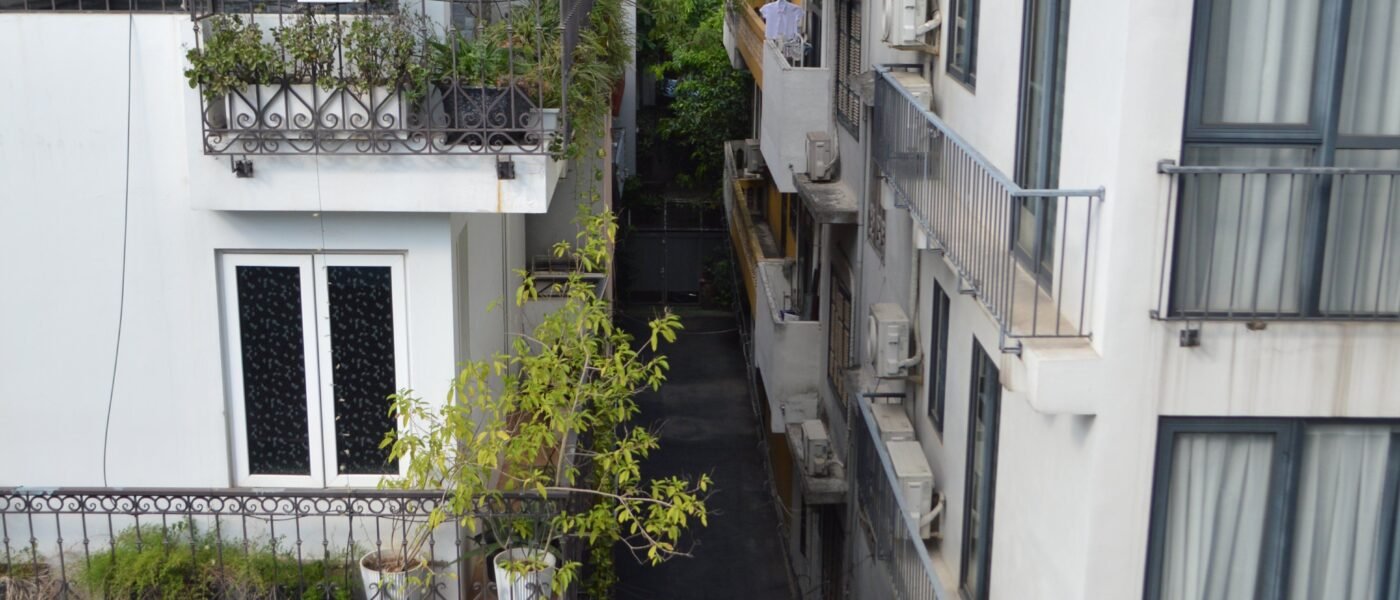
If your knees are telling you that kneeling in a traditional garden is no longer an option, you are not alone. I hear this frustration every week from retirees who have moved into apartments but still crave the joy of growing something green. After 15 years running a nursery from 1980 to 1995, and now managing my own arthritis while gardening from a fifth-floor balcony, I can tell you this: balcony gardening for retired apartment dwellers is not only possible—it is deeply rewarding when you choose the right tools and systems. The secret lies in finding the mid-range equipment that balances comfort, durability, and cost without compromising your joints or your harvest.
Why Balcony Gardening Matters for Retired Apartment Dwellers
The transition from a house with a yard to an apartment balcony can feel like a loss. You might miss the smell of freshly turned soil or the satisfaction of picking tomatoes from a full-sized garden. But consider this: a balcony garden eliminates most of the heavy labor that aggravates arthritis. No more digging, stooping over ground-level beds, or hauling bags of soil across a lawn. For retirees managing joint pain, a balcony offers a controlled environment where you can garden in comfort. The key is selecting equipment that elevates your work to waist height and minimizes repetitive strain.
The Arthritis-Friendly Advantage of Balcony Gardening
I learned this lesson the hard way. In 1992, I tried maintaining a small patio garden at my nursery while my arthritis worsened. I used cheap plastic pots and flimsy stands that wobbled every time I watered. By the end of the season, my hands and knees were swollen from constant bending and adjusting. That experience taught me that balcony gardening for retired apartment dwellers demands intentional design. Elevating your plants on sturdy shelves or railing planters reduces the need to bend. Using lightweight, ergonomic tools—like pruners with padded handles and watering wands with trigger grips—saves your hands. The payoff is a garden you can tend without pain, even on days when stiffness sets in.
Decision Guide: Low-End vs. Mid-Range vs. Premium Equipment
When you start researching balcony gardening supplies, you will encounter three price tiers. Let me break down how each performs for retirees, drawing on my years of testing everything from discount store pots to professional-grade systems.
Low-End Equipment: Tempting but Troublesome
I have used many cheapest options out of necessity during my nursery years. They work for a season, but they fail you when arthritis demands reliability. Consider these drawbacks:
- Plastic pots under $5: They crack in direct sunlight within months. When they break, you have to lift heavy wet soil to repot—a real strain on arthritic wrists.
- Thin metal shelving: It rusts quickly on a balcony exposed to rain and condensation. Wobbly shelves can tip over, causing injury or damaging plants.
- Basic hand tools: Hard plastic handles without cushioning dig into your palms. I once used a $3 trowel that left blisters on my arthritic fingers within ten minutes.
- Inexpensive soil mixes: They often contain heavy clay that compacts quickly, requiring more frequent watering and repotting—more work for your hands.
Low-end equipment saves money upfront but costs you in frustration and physical strain. For a retired apartment dweller on a fixed income, it may seem appealing, but I urge caution. The time spent dealing with failures could be spent enjoying your garden.
Mid-Range Equipment: The Best Value for Comfort and Durability
This is where I direct most retirees, including myself. Mid-range equipment offers the perfect balance of ergonomic design and affordability. Here is what to look for:
- Fiberglass or thick resin pots ($15-$30): They resist UV damage and last five to ten years. Lightweight enough to move without straining your back, they also hold moisture better than cheap plastic.
- Sturdy metal shelving with powder coating ($40-$80): Look for units with adjustable heights. Set them at waist level so you can water and prune without bending. The powder coating prevents rust, and rubber feet protect your balcony floor.
- Ergonomic hand tools with foam grips ($10-$20 each): Brands like Fiskars or Radius Garden offer pruners, trowels, and cultivators with padded handles that reduce hand fatigue. I use a pair of ergonomic pruners that require 50% less force to cut than standard ones.
- Self-watering containers ($20-$35): These have built-in reservoirs that reduce watering frequency by half. For retirees with arthritis, this means less lifting and fewer trips to the tap. They also prevent overwatering, a common mistake that kills balcony plants.
Mid-range equipment represents the sweet spot. You pay a little more than bargain prices, but you get tools that support your joints and last for years. I have used a set of mid-range railing planters for four seasons, and they still look new. The initial investment pays off in reduced pain and increased gardening pleasure.
Premium Equipment: Luxury That May Not Be Necessary
Premium options exist for those who want the absolute best, but they are rarely essential for balcony gardening. Consider:
- Automated irrigation systems ($100-$200): They water on a timer, which is convenient if you travel. However, they require installation and maintenance that may be challenging for arthritic hands.
- High-end cedar or composite planters ($80-$150): Beautiful and long-lasting, but heavy. Moving them around a balcony can strain your back and knees.
- Professional-grade pruning shears ($50-$80): They offer superior cutting performance but may have complex locking mechanisms that are difficult to operate with stiff fingers.
For most retirees, premium equipment offers marginal benefits over mid-range options. If your budget allows, a single premium tool like a high-quality pruner could be worthwhile. But I have seen too many seniors overspend on systems they rarely use. Stick with mid-range unless you have a specific need that only premium equipment can solve.
Practical Steps to Start Your Balcony Garden
Now that you understand the equipment tiers, here is how to apply this knowledge to create a comfortable, productive balcony garden.
Step 1: Assess Your Space and Physical Limits
Measure your balcony dimensions and note how much sunlight it receives. If you have arthritis, prioritize areas where you can work while seated. A small stool or rolling cart lets you move around without standing for long periods. I keep a padded garden kneeler on my balcony for tasks that require sitting—it doubles as a seat and a kneeler for lower shelves.
Step 2: Choose the Right Plants for Convenience
For balcony gardening for retired apartment dwellers, select plants that require minimal maintenance. Herbs like basil, mint, and rosemary thrive in containers and need only occasional watering and harvesting. Cherry tomatoes and peppers grow well in self-watering pots. Avoid sprawling plants like squash that demand frequent pruning and ample space.
Step 3: Invest in Mid-Range Tools First
Start with a set of ergonomic hand tools, a couple of fiberglass pots, and a sturdy shelf. This should cost around $100-$150 total. Use them for a season before adding more. I have seen retirees overwhelm themselves by buying too much equipment at once, only to find they prefer a simpler setup.
Step 4: Create an Ergonomic Workflow
Place your most-used tools in a bucket or caddy at waist height. Keep a watering can with a long spout near your plants. Use a lightweight hose with a trigger nozzle if you have a balcony faucet. These small adjustments reduce reaching and twisting, which aggravates arthritis.
Step 5: Maintain Your Garden Gently
Water deeply but less frequently to avoid heavy lifting. Mulch your pots with gravel or bark to retain moisture and suppress weeds. When pruning, use scissors rather than pruners for soft stems—it puts less strain on your hands. I prune my balcony herbs with kitchen shears while sitting, and it takes no effort.
Why Mid-Range Is Your Best Value
After decades of gardening with arthritis, I know that the right equipment transforms a chore into a joy. Low-end tools frustrate your body and spirit. Premium options offer little extra benefit for the cost. Mid-range equipment gives you ergonomic comfort, durability, and affordability. It is the choice I have made for my own balcony, and it has kept me gardening pain-free through three seasons.
When you invest in mid-range pots, shelves, and tools, you are investing in your ability to garden for years to come. Your joints will thank you, your plants will thrive, and you will rediscover the simple pleasure of growing something beautiful without the pain.
For more tips on adapting your garden to senior needs, check out our Related Gardening Guide. And if you want to dive deeper into joint-friendly techniques, the Arthritis Foundation’s guide to gardening with arthritis offers excellent research-backed advice.
Leave a Reply