How to Share Your Garden With Grandchildren: Accessible Tools for Both
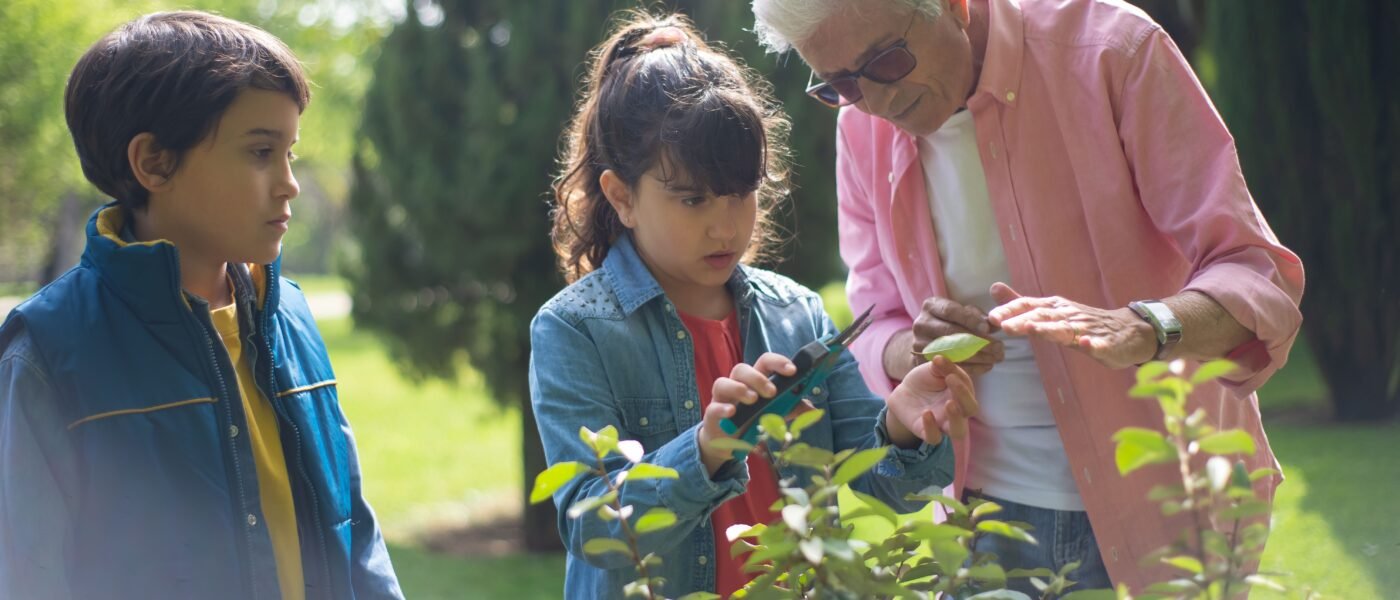
This article draws from my decades of nursery work and personal battle with arthritis to give you a practical, ergonomic approach. You’ll discover why tiered planter stands are the hero of multigenerational gardening, which crops even a toddler can grow successfully, and how to adapt your garden so it becomes a safe, joyful space for bonding—without sacrificing your own comfort.
Why Standard Gardening Tools Fail Seniors and Grandchildren
Most tools in a typical garden shed are designed for a single user: a strong adult with full range of motion. When I worked at the nursery, we sold thousands of heavy steel trowels and long-handled cultivators. Now, with arthritis, I can barely grip them for ten minutes. My grandchildren, meanwhile, can’t even lift them. The accessible tools for both concept is built on a simple truth: if a tool hurts you to use, and it’s too awkward for a child, it’s not a good tool for anyone.
Consider the grip: standard handles are often too thick for arthritic hands and too wide for small hands. The weight: many tools are unbalanced, causing strain on wrists and shoulders. The reach: long-handled tools designed to save your back are impossible for a child to control. The solution isn’t to buy two separate sets of tools—it’s to choose multipurpose, adjustable designs that work for everyone.
The Role of Tiered Planter Stands in Multigenerational Gardening
Let me be direct: if you only add one piece of equipment to your garden this season, make it a tiered planter stand. I say this after testing dozens of options in my own backyard and with my three grandchildren. A tiered planter stand elevates plants to waist height for seniors, eliminating bending and kneeling. But here’s the secret: it also brings plants to eye level for children, making planting, watering, and harvesting a hands-on experience they can actually reach.
When I first set up a three-tiered stand on my patio, my six-year-old granddaughter immediately claimed the bottom shelf for her “own” strawberry plants. She could water them with a small plastic watering can without tipping over, and she could see the fruit ripening without needing a stool. Meanwhile, I used the top shelf for my herbs—rosemary, thyme, and basil—without crouching down. The tiered design created a natural division of labor: she took responsibility for her tier, and I took responsibility for mine. How to share your garden with grandchildren becomes intuitive when you use vertical space to accommodate different heights and abilities.
Ergonomic Tools That Work for Arthritic Hands and Small Fingers
After my arthritis diagnosis, I switched to ergonomic tools with padded grips, trigger handles (where you squeeze rather than grip), and lightweight materials like aluminum or carbon fiber. These same features make tools safe for children. Here are the specific tools I recommend for shared gardening:
- Ergonomic trowel with a D-shaped handle: The D-grip allows you to push with your palm rather than curl your fingers. A child can hold it with both hands if needed, reducing strain.
- Adjustable long-reach cultivator: Look for one that telescopes from 24 to 48 inches. For seniors, it eliminates bending; for grandchildren, it can be shortened to their height and used as a small rake.
- Trigger-handle pruners: These require only a squeeze motion, not a full fist grip. They are safer for children because the blade is smaller and more controlled.
- Kneeling pad with handles: A thick foam pad that also has built-in handles to help you stand up. Grandkids love sitting on it while they play in the soil.
- Lightweight watering wand: A 30-inch wand with a trigger nozzle that delivers a gentle shower. I can water without lifting a heavy can; my grandson can press the trigger himself.
Every one of these tools passes the “grandchild test” in my garden. If I can use it without pain, and a five-year-old can use it without frustration, it’s a winner. For more detailed recommendations, check our Related Gardening Guide on ergonomic tool selection.
Easy Crops for Beginners: What to Plant Together
Not every plant is suitable for a shared garden experience. You need crops that germinate quickly, are easy to harvest, and don’t require complicated care. Based on my nursery years and personal trials, here are the top five crops for seniors and grandchildren:
- Radishes: Germinate in 3-5 days. Children love pulling them from the soil like treasure. Seniors enjoy the quick payoff with minimal weeding.
- Strawberries (everbearing): Grow well in tiered planters. Kids can eat them right off the plant, which is a fantastic reward. For seniors, they require little bending when elevated.
- Cherry tomatoes: Choose determinate varieties that stay compact. Grandchildren can pick them like candy; seniors appreciate the easy reach when grown in containers.
- Bush beans: No trellis needed. The seeds are large enough for small hands to plant, and the pods are easy to spot and pick.
- Sunflowers (dwarf varieties): Grow quickly and become a “living toy” as children measure their height against the stalks. For seniors, they add vertical interest without heavy labor.
When you plant these crops together, how to share your garden with grandchildren becomes a natural rhythm. You prepare the soil or container, they plant the seeds. You water, they watch for sprouts. You harvest the radishes, they wash and eat them. It’s a partnership, not a chore.
Adapting Your Garden Layout for Safety and Accessibility
Safety is paramount when gardening with grandchildren. My own arthritis taught me the importance of clear pathways and stable surfaces. Here’s how to modify your garden space:
- Widen paths to 3 feet: This allows a wheelchair or walker to pass, but also gives a child room to run without trampling plants.
- Use raised beds or containers: These eliminate bending and create defined boundaries that children understand. Tiered planter stands fit perfectly here.
- Install a compost bin that both can use: A tumbling composter at waist height lets you add kitchen scraps without bending, and grandchildren can turn the handle (with supervision).
- Mark edges with solar lights: Prevents tripping at dusk and adds a magical feel that children adore.
- Create a designated “digging zone”: A small patch of loose soil where grandchildren can dig without ruining your main garden. It satisfies their natural curiosity and saves your flowerbeds.
I applied all these principles after my hip replacement surgery, and they made the garden accessible for me while becoming a playground for my grandchildren. The Arthritis Foundation offers excellent guidance on modifying outdoor spaces for seniors—you can read their recommendations here.
Building a Routine: How to Share Your Garden With Grandchildren Over Time
The most common mistake I see is trying to do too much in one visit. Grandchildren have short attention spans, and seniors have physical limits. Build a simple, repeatable routine:
- Start with 15 minutes of planting or harvesting—the most rewarding tasks.
- Follow with a snack break using something from the garden (radish slices, cherry tomatoes).
- End with a simple task like watering using the lightweight wand.
- Keep a journal together—draw what grew, note the weather, take photos.
This routine respects your energy and their enthusiasm. Over the years, my grandchildren have developed a genuine love for gardening because it was never forced. They now ask to visit “Grandma’s garden” even when I’m not planting—they just want to see how the strawberries are doing.
Final Thoughts: The Joy of Passing on a Green Thumb
Gardening with grandchildren is not about perfect rows or maximum yield. It’s about teaching them where food comes from, sharing the satisfaction of growing something with your own hands, and creating memories that outlast any harvest. With accessible tools for both—especially a good tiered planter stand and easy crops—you can protect your joints while giving them a lifelong gift.
I still remember the day my grandson ran into the house holding a radish he had grown himself, his face lit with pride. That moment was worth every bit of effort it took to adapt my garden. If you’re wondering how to share your garden with grandchildren despite your arthritis, start small. Buy one ergonomic tool. Set up one tiered planter. Plant radishes. Then watch the magic happen.
Your garden is not just plants—it’s a bridge between generations. Make it a welcoming one.
Leave a Reply