Gardening as Therapy: Why Retirees Are Turning to Horticulture
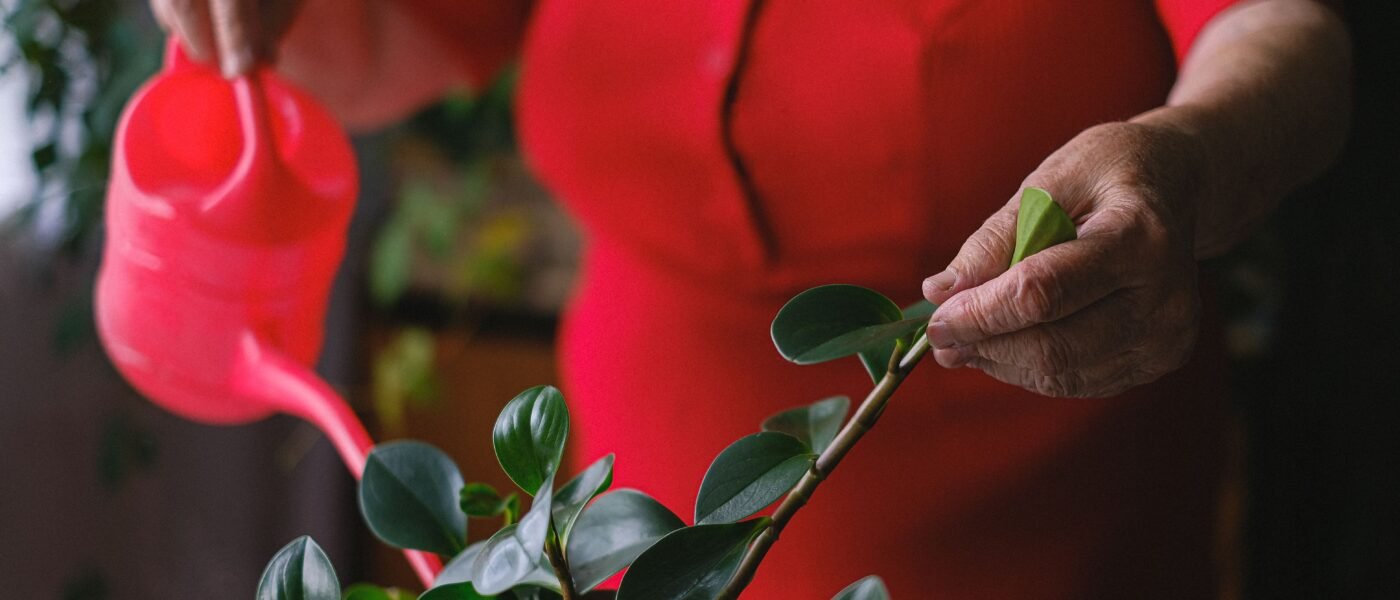
The surge in retirees embracing gardening as therapy isn’t accidental. Research from the Mayo Clinic confirms what my nursery customers taught me for 15 years: moderate physical activity in the garden reduces joint stiffness, improves mood, and provides a sense of purpose that combats loneliness. When I worked alongside seniors in the 1980s, I saw firsthand how tending a vegetable patch could lower blood pressure and reduce reliance on pain medication. Today, with more retirees living longer and seeking natural wellness solutions, horticulture has become a cornerstone of healthy aging.
How Gardening as Therapy Transforms Senior Health
Let me be direct: if you’re retired and haven’t tried gardening as therapy, you’re missing one of the most effective tools for managing chronic conditions. Here’s what I’ve observed over decades:
– Reduced Inflammation: Gentle digging and weeding stimulate circulation without stressing joints, reducing swelling in arthritic hands and knees.
– Improved Mental Clarity: Exposure to soil bacteria like Mycobacterium vaccae has been shown to boost serotonin levels naturally.
– Lower Blood Pressure: The rhythmic nature of gardening as therapy lowers cortisol and promotes relaxation.
– Enhanced Mobility: Regular bending, reaching, and squatting maintain flexibility without gym-like intensity.
One retiree named Martha, who came to my nursery in 1992, told me her rheumatologist was amazed at her improved grip strength after just one season of growing tomatoes and peppers. That’s the power of gardening as therapy—it works because it’s purposeful movement, not forced exercise.
Getting Started with Broad Vegetable Gardening as Therapy
The key to making gardening as therapy sustainable is choosing the right crops and tools. Broad vegetable gardening—growing a variety of produce in raised beds or containers—is ideal for retirees because it minimizes bending and maximizes yield. Here’s my practical advice:
Raised Garden Beds: The Foundation of Senior-Friendly Horticulture
I cannot stress this enough: Related Gardening Guide on raised bed construction will save your back. Raised beds allow you to garden at waist height, eliminating the need to kneel or stoop. When I built my first set in 1985, I used cedar planks that lasted 20 years. Today, there are pre-made kits available that require no carpentry skills. Place them on level ground near a water source, and fill with lightweight soil mix rather than heavy clay. This is the single most important change you can make for gardening as therapy to work long-term.
Essential Tools for Arthritis-Friendly Gardening
Over my 15 years in the nursery business, I learned that the right tools make or break the experience. For gardening as therapy, prioritize these:
– Ergonomic Trowels: Look for trowels with padded handles and curved grips that reduce wrist strain. I recommend stainless steel blades that resist rust and require less pressure to cut through soil.
– Long-Handled Weeders: These let you remove weeds without bending. Choose ones with telescoping handles to adjust for your height.
– Kneeling Pads: Even with raised beds, you’ll occasionally need to work low. A thick foam pad with a handle makes standing up easier—trust me on this.
– Lightweight Hoses: Coil hoses that don’t kink and have trigger nozzles reduce hand fatigue. Avoid heavy rubber hoses that are difficult to maneuver.
Choosing Vegetables for Therapeutic Gardening
When selecting crops for gardening as therapy, focus on plants that reward your efforts with minimal maintenance. Here are my top picks from decades of experience:
– Tomatoes: Determinate varieties like ‘Roma’ or ‘Celebrity’ grow compact and produce prolifically. They’re perfect for raised beds.
– Leafy Greens: Spinach, kale, and Swiss chard thrive in cool weather and can be harvested repeatedly. Their shallow roots make them easy to grow in containers.
– Root Vegetables: Carrots and radishes grow quickly and don’t require staking. Use short varieties like ‘Parisian’ carrots that mature in shallow soil.
– Beans: Bush beans stay low and produce heavily. Pole beans need trellises, which can be challenging for seniors—stick with bush types.
– Peppers: Bell peppers and jalapeños are compact and prolific. They love heat and need less water than tomatoes.
For beginners, I recommend starting with just three or four crops. Gardening as therapy should feel like a pleasure, not a chore. Overplanting leads to frustration and physical strain.
Using Cloches and Season Extenders for Year-Round Therapy
One of the most overlooked aspects of gardening as therapy is extending the growing season. Cloches—those protective covers placed over plants—allow retirees to garden in spring and fall when temperatures are mild and joint pain is reduced. Here’s how to use them effectively:
– Floating Row Covers: Lightweight fabric that protects against frost and insects. They’re easy to drape over hoops or directly onto plants.
– Glass or Plastic Cloches: Traditional bell-shaped covers work well for individual plants. Modern versions are made from polycarbonate and won’t break.
– Cold Frames: Mini greenhouses that sit on the ground. They’re perfect for starting seeds in early spring without bending.
I used cloches extensively in my nursery to sell early-season vegetables to retirees who wanted fresh produce before their neighbors had even planted. Gardening as therapy doesn’t have to stop when the weather cools—with the right tools, you can harvest well into November.
Common Mistakes Seniors Make with Horticultural Therapy
Over the years, I’ve seen retirees abandon gardening as therapy because of preventable errors. Here are the most common:
– Overwatering: Many seniors water daily out of habit, which leads to root rot and fungus. Water deeply once or twice a week instead.
– Planting Too Deep: Seeds need to be at the right depth—typically twice their diameter. Too deep, and they won’t germinate.
– Ignoring Soil Quality: Clay soil is hard to work with. Mix in compost or use raised beds with premium soil.
– Forgetting Mulch: Mulch retains moisture, suppresses weeds, and adds nutrients. Spread a 2-inch layer of straw or wood chips.
– Pushing Through Pain: Listen to your body. If your arthritis flares, take a break. Gardening as therapy should never cause pain.
Creating a Routine That Promotes Healing
To get the most from gardening as therapy, establish a consistent but gentle routine. Here’s what worked for me and hundreds of my nursery customers:
– Morning Sessions: Work in the garden for 30 minutes before the day heats up. Early light is easier on arthritic eyes.
– Stretch Before You Start: Simple wrist and shoulder stretches reduce stiffness. I recommend five minutes of gentle movement.
– Alternate Tasks: Spend 10 minutes weeding, then 10 minutes watering, then 10 minutes harvesting. This prevents repetitive strain.
– Use a Garden Stool: A portable stool with a handle lets you sit while working. It’s a game-changer for hip and knee pain.
Why Horticulture Beats Traditional Exercise for Seniors
I’ve seen countless retirees stick with gardening as therapy when they abandoned gym memberships. The reason is simple: the garden provides immediate feedback. You see a seed sprout, a flower bloom, a vegetable ripen. That sense of accomplishment releases dopamine, which reduces depression and anxiety. Combined with the physical benefits of gentle movement, it’s a powerful tool for aging well.
Building Community Through Shared Gardening
Retirees who practice gardening as therapy often find themselves part of a larger community. Community gardens, seed swaps, and horticultural therapy programs are thriving across the country. I started a local gardening club in 1990, and it’s still active today, with members ranging from 65 to 92 years old. The social connection is just as therapeutic as the gardening itself.
Final Thoughts on Gardening as Therapy
Gardening as therapy isn’t a trend—it’s a return to what humans have done for millennia. The difference today is that we have tools and knowledge to make it accessible for every retiree. Whether you’re managing arthritis, recovering from surgery, or simply seeking purpose in retirement, the garden offers a path to better health without the strain of traditional exercise. Start small, choose the right tools, and remember: every plant you grow is a small victory over the limitations of age.
Leave a Reply