Wildflower Gardening for Senior Beginners: Low Effort, High Beauty
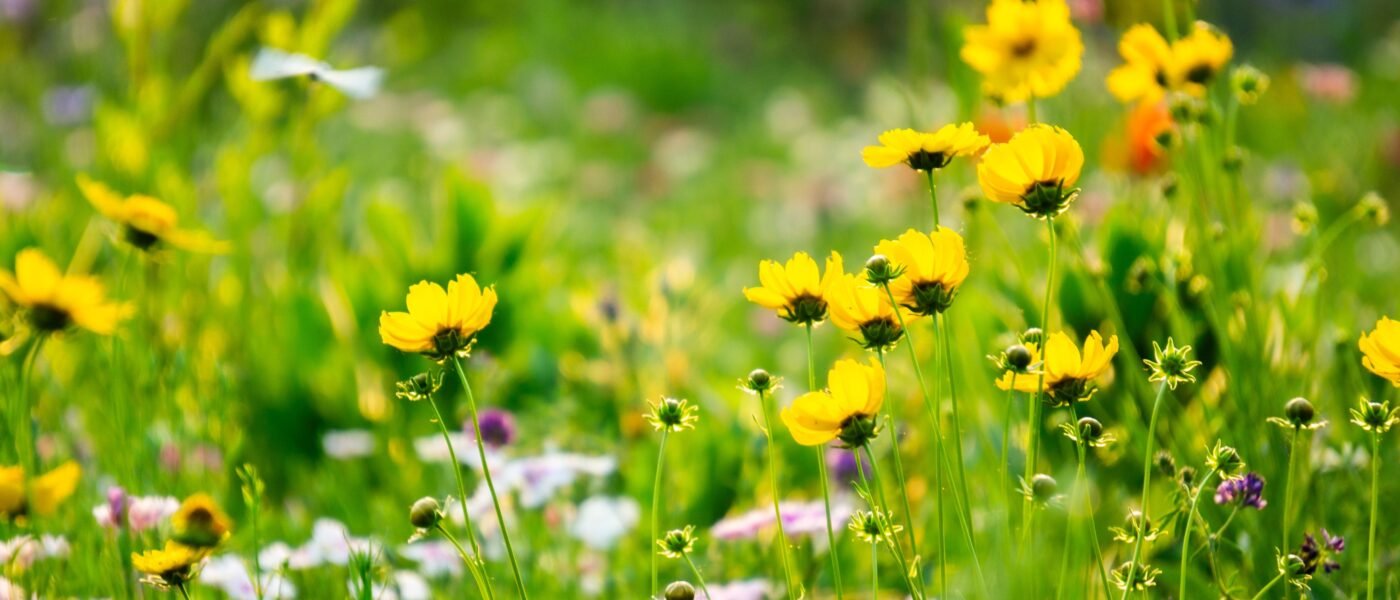
The common frustration I hear from older gardeners is that their bodies no longer cooperate with their passion. Kneeling to plant annuals, bending to pull stubborn weeds, and fighting clay soil to dig holes—these tasks become painful obstacles. Wildflower gardening for senior beginners sidesteps nearly all of that. Native wildflowers are adapted to your local soil and climate. They do not need rich amendments or constant watering. They thrive with what I call “benign neglect.”
I remember a specific afternoon in my late fifties when my hips ached so badly after planting a row of marigolds that I could barely stand up straight. That was my turning point. I realized I had to change everything about the way I gardened, or give it up entirely. So I ripped out that formal bed—well, I hired a teenager to do the heavy lifting—and scattered a regional wildflower mix. Within two months, I had a meadow of color that required almost no maintenance. That season, I spent more time sitting and watching butterflies than I did working. For senior beginners, that kind of payoff is life-changing.
What You Need to Know Before Starting a Wildflower Garden
Success with wildflower gardening for senior beginners starts with the right seed mix. Look for blends specifically formulated for your region—Northeast, Southeast, Midwest, Pacific Northwest, or Southwest. These mixes contain species that naturally compete with one another and resist local pests. Avoid generic “all-purpose” mixes; they often include non-native species that become invasive or fail to germinate.
Another essential tip: do not over-prepare the soil. Wildflowers evolved in tough conditions. They actually perform better in poor soil than in heavily amended garden beds. Overly rich soil encourages lush foliage at the expense of blooms and invites aggressive weeds. For senior beginners, this means you can skip the tilling, double-digging, and compost hauling. A simple rake to remove large debris is often enough.
Low-Effort Techniques That Protect Your Joints
One of the biggest barriers to wildflower gardening for senior beginners is the belief that you must clear every weed before planting. That is a myth. Most wildflower seeds are small and will germinate even with some existing vegetation. Here is a joint-friendly method I have refined over years:
- Scatter seeds in late fall or early spring. This takes five minutes and requires no bending if you toss from a standing position. Natural rain and freeze-thaw cycles will work the seeds into the soil.
- Use a “no-dig” approach. Instead of turning soil, simply mow or cut existing vegetation short, scatter seeds, and walk away. The seeds will find their way.
- Invest in a long-handled seed spreader. This tool lets you broadcast seeds while standing upright, saving your back and knees. Your Related Gardening Guide covers more ergonomic tools in detail.
- Water only during extreme drought. Once established, wildflowers survive on natural rainfall. This eliminates the heavy lifting of garden hoses and watering cans.
- Weed in short sessions. Sit on a rolling garden stool and pull only the most aggressive invaders for 10 minutes at a time. The rest can coexist with your flowers.
The Best Wildflower Species for Senior Beginners
Not all wildflowers are equally forgiving. Based on my nursery years and personal arthritis-friendly garden, here are five species that deliver high beauty with minimal effort:
- Black-eyed Susan (Rudbeckia hirta). A cheerful yellow daisy that blooms from summer to fall. It self-seeds readily, so you only need to plant once. No staking or deadheading required.
- Purple coneflower (Echinacea purpurea). A tall, sturdy perennial with large pink-purple petals. It attracts pollinators and tolerates poor soil beautifully. The seed heads provide winter interest and bird food.
- California poppy (Eschscholzia californica). An annual that reseeds itself reliably. Its silky orange blooms open in sunshine and close at dusk. It thrives in dry, rocky soils where other plants fail.
- Butterfly milkweed (Asclepias tuberosa). A critical host plant for monarch butterflies, this perennial produces clusters of bright orange flowers. It prefers sandy, well-drained soil and rarely needs water once established.
- Blanket flower (Gaillardia pulchella). A heat- and drought-tolerant annual with red-and-yellow daisy-like blooms. It flowers profusely with almost no care and attracts bees and butterflies.
Tools That Make Wildflower Gardening for Senior Beginners Safer and Easier
The right tools transform wildflower gardening for senior beginners from a chore into a pleasure. I strongly recommend three items, each chosen for ergonomic design and joint protection. First, a pair of high-quality, padded gardening gloves with reinforced fingertips. These reduce strain on arthritic knuckles and protect against thorny weeds. Second, a pair of ratchet-action pruners. These require 50% less hand strength than standard pruners, which makes a huge difference when trimming spent stems or cutting back overgrowth. Third, a rolling garden kneeler that converts into a low seat. This allows you to sit while working close to the ground, keeping your knees and hips happy.
For senior beginners, I also suggest a long-handled weeder with a claw tip. You can remove deep-rooted weeds while standing, avoiding the painful bending and kneeling that discourages so many older gardeners. These tools are not expensive, but they dramatically reduce physical strain. When I started using them, my gardening time doubled and my pain medication usage dropped.
Common Mistakes to Avoid in Wildflower Gardening
Even with wildflower gardening for senior beginners, a few missteps can lead to disappointment. The most common mistake I see is planting a mix that includes invasive species. Some commercial blends contain plants like purple loosestrife or oxeye daisy, which can escape into natural areas and choke out native flora. Always check the seed label for scientific names and avoid any that are listed as noxious weeds in your state.
Another mistake is cutting back the dead foliage in fall. Many wildflowers rely on their dried stems and seed heads to protect the crown over winter. Cutting them too early exposes the plant to frost damage and reduces self-seeding. Leave everything standing until early spring, then cut back while wearing your ergonomic pruners. This also provides winter habitat for beneficial insects.
Finally, do not expect instant perfection. Wildflower gardens often look sparse in the first year as perennial species establish their root systems. Annuals will bloom quickly, but perennials may take two or three years to reach full size. Patience is key. By the third season, you will have a vibrant, low-maintenance meadow that requires only an annual mow or burn in late winter.
The Health Benefits of Wildflower Gardening for Senior Beginners
Beyond the beauty, wildflower gardening for senior beginners offers real health advantages. Gentle outdoor activity improves joint mobility, boosts vitamin D levels, and reduces stress. A 2019 study from the Mayo Clinic found that 30 minutes of light gardening can lower blood pressure and improve mood. Wildflower gardening is particularly well-suited because it requires less sustained effort than traditional vegetable or flower beds. You can work for 10 minutes, sit and enjoy the view, then do another 10 minutes—no pressure, no deadlines.
My own arthritis journey taught me that gardening is not about proving anything. It is about connecting with the earth and finding joy in small victories. Wildflower gardening for senior beginners honors that philosophy perfectly. You do not need perfect soil, perfect tools, or perfect technique. You just need a handful of seeds, a willingness to let nature lead, and a comfortable chair to watch it all unfold.
Leave a Reply