How to Grow Lavender Without Back Pain: Senior Gardening Tips
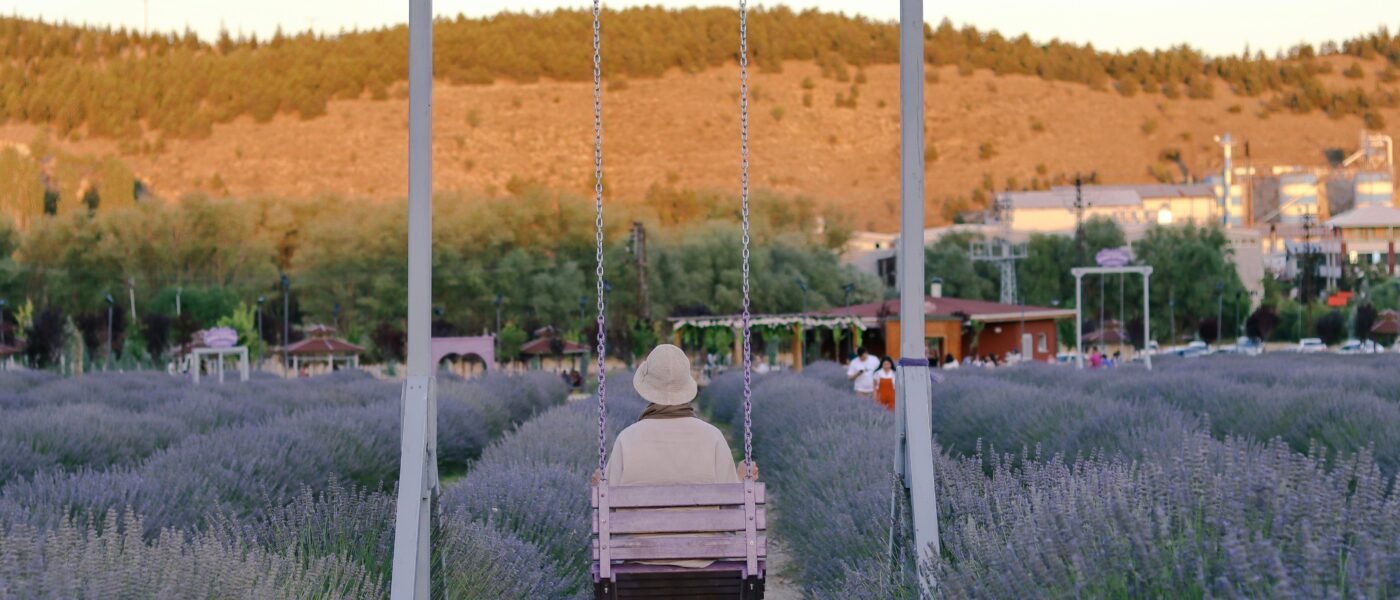
Lavender is not just beautiful; it’s practically designed for ergonomic gardening. Its shallow root system means you don’t need deep soil, and its drought tolerance reduces the frequency of watering, which is a blessing when lifting heavy cans becomes painful. Most importantly, lavender prefers poor soil, so you can skip the heavy digging and amending that aggravates arthritic joints.
From a health perspective, the act of growing lavender offers subtle physical therapy. The gentle motion of pinching back stems or brushing the leaves releases aromatic oils that can lower cortisol levels, according to research from the Mayo Clinic. But the real win is vertical gardening—keeping the plant at waist height or above, which eliminates the primary trigger for back pain: bending forward.
Setting Up a Back-Friendly Lavender Container Garden
The single most effective change you can make to grow lavender without back pain is to use tall containers or raised beds. I learned this the hard way in 1992 when I planted 50 lavenders in ground beds at the nursery and spent the next three months paying for it with sciatica. Now, I use only containers that sit on tables, benches, or purpose-built stands.
Here is my step-by-step approach for seniors:
Choosing the Right Container for Your Back
Select containers that are at least 12 inches deep and 18 inches wide. Terracotta is ideal because it breathes and prevents root rot, but lightweight resin pots are easier to move. The key is height: the top of the container should be between 24 and 36 inches off the ground. This allows you to work while standing upright or sitting on a stool, without leaning.
Place the container on a rolling plant caddy if you need to move it for sunlight or shelter. I use caddies for all my lavender now—they save me from lifting and straining.
Soil Mix That Saves Your Joints
Forget heavy garden soil. Mix equal parts coarse sand or horticultural grit with potting soil. This creates a free-draining medium that lavender loves and weighs significantly less than regular soil. To avoid repetitive lifting, mix the soil in the container itself using a long-handled trowel while seated. This is a game-changer for seniors with limited grip strength.
Planting Without Pain
Lavender plants come in small nursery pots. Instead of kneeling to plant, bring the container to you. Place the lavender pot on a sturdy table, remove it from its nursery pot by gently squeezing the sides, and lower it into your pre-moistened container. Use a cushioned kneeling pad only if you must, but ideally, keep everything at waist height.
Watering and Maintenance Without Bending
This is where most senior gardeners struggle, but lavender makes it easy. Water deeply once every 7 to 10 days during the growing season, but only when the soil is completely dry. Overwatering is the fastest way to kill lavender, so you actually want to ignore it a little.
Use a watering wand with a long handle and a gentle spray nozzle. I keep mine hooked to a hose that reaches all my containers without dragging. For pruning, use ergonomic shears with a rotating handle—I recommend Fiskars or ARS models that require minimal grip force. Prune after flowering by cutting back to just above the woody stems, but never into old wood. This keeps the plant compact and productive.
Indoor Lavender Kits: The Perfect Senior Entry Point
If you’re new to growing or want to avoid the weather entirely, indoor lavender kits are a brilliant crossover option. These kits come with a pot, soil, seeds or starter plant, and instructions—all designed for tabletop use. I started using them myself last winter when my arthritis flared up, and I was surprised by how well they work.
The key with indoor lavender is light. Place the kit on a south-facing windowsill or under a grow light for 6 to 8 hours daily. Avoid overwatering, which is the most common mistake. With an indoor kit, you never have to bend, lift, or kneel. It’s gardening from a comfortable chair.
Harvesting and Using Lavender Safely
Harvest lavender when the buds are just beginning to open, usually in mid-summer. Use your ergonomic shears to cut the stems at the base while standing. Bundle them with a rubber band and hang them upside down in a dark, dry place. The scent will fill your home without any physical strain.
I also recommend drying lavender in a dehydrator on the lowest setting—it’s faster and requires no bending. Once dry, strip the buds by rubbing them gently between your palms. This motion is surprisingly therapeutic for arthritic hands, as it promotes circulation without forcing the joints.
Common Mistakes Seniors Make With Lavender
Over the years, I’ve seen three recurring errors:
1. Planting in heavy clay soil. This causes root rot and forces you to dig and amend. Stick to containers with free-draining mix.
2. Pruning too late or too hard. Never cut into the woody base—lavender will not regrow from old wood. Prune lightly after flowering.
3. Watering on a schedule. Lavender hates routine watering. Check soil moisture with your finger. If it’s dry an inch down, water. If not, leave it.
Adapting for Severe Arthritis or Limited Mobility
If your arthritis is advanced, consider these modifications:
– Use a wheeled garden cart to bring all supplies to one spot.
– Attach foam pipe insulation to tool handles for better grip.
– Grow dwarf lavender varieties like ‘Munstead’ or ‘Hidcote’ in small pots on a windowsill.
– Use a lightweight soil scoop instead of a heavy shovel.
I have a friend, now 78, who grows lavender in tin cans on her kitchen counter. She uses a turkey baster to water them. It’s not conventional, but it works. The point is to adapt the process to your body, not the other way around.
When to Seek Professional Help
If you find that gardening consistently triggers back pain despite these adjustments, consult your doctor or a physical therapist. Related Gardening Guide can also provide ergonomic assessments for your specific garden setup. Remember, the goal is to enjoy gardening, not to endure it.
Cultivating Joy Without the Ache
Growing lavender without back pain is not just possible—it’s simpler than you think. By using tall containers, lightweight soil, ergonomic tools, and a forgiving attitude, you can transform your garden into a sanctuary of scent and color without sacrificing your body. I’ve been doing it for decades, and now, with arthritis, I appreciate it more than ever. Lavender doesn’t demand your youth; it rewards your patience. And that, to me, is the truest form of senior gardening.
Leave a Reply