The Health Benefits of Gardening for Seniors: What the Research Shows
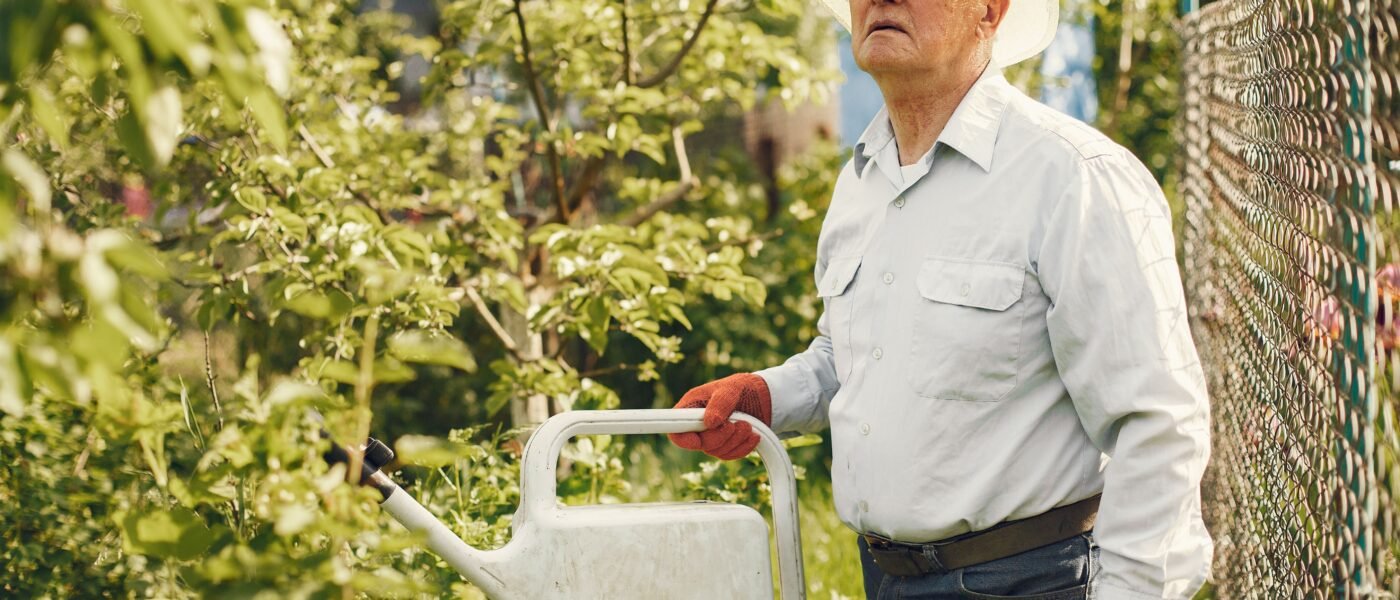
The health benefits of gardening for seniors are not just feel-good anecdotes. Peer-reviewed research from institutions like the Mayo Clinic has demonstrated that regular gardening can reduce the risk of heart disease, improve bone density, and lower cortisol levels. A 2017 study in the journal Preventive Medicine Reports found that older adults who gardened for at least 30 minutes per week had a 36% lower risk of dementia compared to non-gardeners. That is not a small number.
But let me translate those statistics into something I witnessed firsthand. I had a customer named Margaret, 78, who came in every spring with her daughter. Margaret had osteoporosis and a history of falls. She started using a raised bed and a lightweight stool I recommended. Within six months, she reported better balance, less back pain, and — most importantly — she stopped falling in the house. The act of standing, squatting gently, and reaching while seated had rebuilt her proprioception. That is the kind of benefit no pill can match.
Physical Benefits: Strength, Flexibility, and Rotator Cuff Protection
The most immediate and often overlooked health benefits of gardening for seniors are the physical ones. Gardening is a low-impact, weight-bearing activity that engages multiple muscle groups. Digging, planting, weeding, and watering all require functional movement patterns — the same patterns we need to get out of a chair, carry groceries, or play with grandchildren.
But here is the reality check: rotator cuff issues are the number one reason I saw seniors abandon gardening. The repetitive overhead motions of pruning, the torque of twisting to lift a pot, the sudden strain of pulling a stubborn weed — these movements can inflame or even tear the rotator cuff. I learned this the hard way after a particularly ambitious weekend of shearing hedges left me unable to lift my arm for three weeks. The research confirms that shoulder injuries in gardeners over 60 are disproportionately common, often because people do not warm up or use proper tools.
The solution is not to stop gardening — it is to garden smarter. Using long-handled ergonomic tools, maintaining good posture, and alternating tasks every 15 minutes can dramatically reduce shoulder strain. I also recommend a simple warm-up: five minutes of shoulder rolls, arm circles, and gentle stretches before you even step outside. Your rotator cuff will thank you.
Mental Health and Cognitive Benefits
Perhaps the most surprising health benefits of gardening for seniors are the mental and cognitive ones. Gardening is both a physical activity and a mindfulness practice. The repetitive, rhythmic nature of weeding or watering can lower blood pressure and reduce symptoms of anxiety and depression. A 2020 meta-analysis published in the Journal of Environmental Psychology found that gardening improved mood and self-esteem in older adults more consistently than other forms of light exercise.
I remember a gentleman named Harold who came to me after his wife passed. He was withdrawn, barely speaking. I suggested he take over the care of a small plot of herbs. Over the next months, I watched him transform. He started talking to the plants, then to other customers. He began experimenting with new varieties. The act of nurturing something alive gave him purpose and a reason to get outside every day. That is the kind of benefit that does not show up on a lab report, but it is real.
Cognitively, gardening challenges the brain in unique ways. Planning a garden layout, remembering which plants need sun or shade, tracking watering schedules — these tasks keep the mind sharp. Research from the University of Pennsylvania suggests that the combination of physical movement and cognitive engagement in gardening may be protective against cognitive decline, potentially delaying the onset of Alzheimer’s disease by several years.
Social and Emotional Benefits: The Garden as Community
The health benefits of gardening for seniors extend beyond the individual to the social realm. Gardening can be a solitary activity, but it also creates opportunities for connection. Community gardens, garden clubs, and even casual conversations with neighbors over the fence provide social interaction that combats isolation — a major risk factor for depression in older adults.
During my nursery years, I saw countless friendships form over a shared love of tomatoes or a debate about the best rose fertilizer. One group of retired teachers started a weekly gardening circle that lasted for over a decade. They brought their own chairs, shared cuttings, and supported each other through health challenges. The garden was not just a hobby — it was their lifeline.
If you are reading this and feeling isolated, I encourage you to find a local community garden or even a single neighbor who gardens. You do not need a big plot. A few pots on a balcony can be the start of something larger. And if mobility is an issue, consider Related Gardening Guide for adaptive techniques and tool recommendations.
Practical Tips to Maximize the Health Benefits of Gardening for Seniors
Based on my decades of experience and the current research, here are actionable steps to ensure you reap the health benefits of gardening for seniors without injuring yourself:
- Prioritize ergonomics: Invest in tools with padded grips, long handles, and lightweight materials. Avoid any tool that requires you to bend your wrist at an awkward angle.
- Use raised beds or container gardens: They reduce the need to bend and kneel. I recommend a height of at least 24 inches for comfortable standing access.
- Warm up before gardening: Five minutes of gentle stretches for the shoulders, back, and legs can prevent injury. Focus on rotator cuff exercises like external rotations with a light resistance band.
- Take frequent breaks: Set a timer for 15 minutes. When it goes off, stand up straight, stretch, and hydrate. Do not push through pain — that is how tears happen.
- Rotate tasks: Alternate between weeding, watering, and planting to avoid repetitive strain on any one muscle group. Your shoulders will thank you.
- Listen to your body: If a movement hurts, stop. There is almost always a tool or technique that can make the task easier. Do not be too proud to ask for help.
- Consider adaptive tools: Knee pads, gardening stools with armrests, and rolling carts can make a world of difference. I have seen seniors regain their garden independence with a simple kneeling pad alone.
The Long-Term Perspective: Why Gardening Matters More Than Ever
As I approach my own eighth decade, I find myself returning to the garden every morning — not because I have to, but because it is the one place where I feel fully alive. The health benefits of gardening for seniors are not theoretical to me. They are the reason I can still bend to plant tulips, albeit with a padded stool nearby. They are the reason my shoulders, despite years of rotator cuff issues, still allow me to prune my roses — slowly, carefully, but with joy.
The research is clear: gardening offers a unique blend of physical activity, cognitive stimulation, emotional grounding, and social connection that is difficult to replicate with any other single activity. For seniors, the stakes are higher, but so are the rewards. You do not have to be a master gardener to benefit. You just have to start — one seed, one pot, one gentle movement at a time.
If you are hesitant because of pain or past injuries, I understand. But I also know that the alternative — sitting on the sidelines — carries its own risks. Loss of mobility, social isolation, and cognitive decline are far more dangerous than a careful, adapted gardening practice. The evidence is overwhelming. The best time to start was twenty years ago. The second best time is today.
Leave a Reply