The Best Gardening Tools for Seniors with Osteoporosis
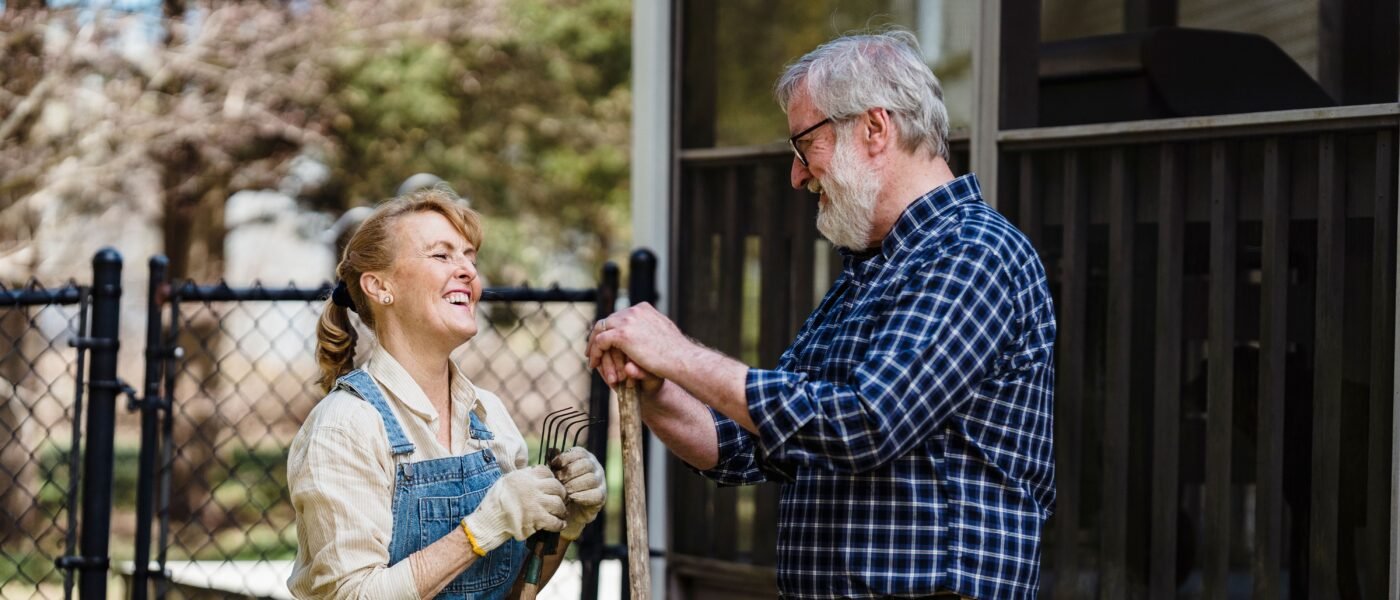
I made a painful mistake the first spring my arthritis got bad—I tried to push through the ache with a heavy wooden-handled shovel, convinced my body would “get used to it.” Within two weeks, I had a hairline stress fracture in my wrist and was told by my doctor that if I didn’t change my tools, I’d be risking more serious damage. That’s when I learned the hard truth about gardening with osteoporosis: the wrong tools don’t just cause discomfort; they can cause fractures. I’ve finally curated the best gardening tools for seniors with osteoporosis—and they’ve allowed me to keep gardening well into my seventies.
If you’re a senior gardener with osteoporosis, you know that every lift, twist, and squat carries risk. But I’m here to tell you that with the right gear, you can protect your bones and still enjoy a thriving garden. Let me share what I’ve learned from decades of trial and error, including the sun hats, cooling towels, and hydration gear that are just as critical as your trowel and pruners.
Why Ergonomics Matter for Osteoporosis Gardeners
Osteoporosis weakens bone structure, making you more vulnerable to fractures, especially in the wrist, hip, and spine. In the garden, repetitive movements like lifting pots, bending to weed, or twisting to prune can put dangerous strain on fragile bones. The best gardening tools for seniors with osteoporosis are designed to minimize these risks through ergonomic handles, lightweight materials, and leverage-reducing mechanisms. I learned this the hard way when I ignored a simple wrist twist while deadheading roses—the result was a six-week recovery period that nearly ended my gardening career.
The Three Pillars of Osteoporosis-Friendly Gardening
- Tool Weight: Every ounce matters. Switch from steel to aluminum or carbon fiber handles. A one-pound reduction in tool weight can save your wrist from thousands of micro-stresses per season.
- Grip Design: Look for tools with padded, non-slip grips that are at least 1.5 inches in diameter. This reduces grip force by up to 30%, protecting finger joints and wrist bones.
- Length and Reach: Long-handled tools for standing work and short-handled tools for sitting work prevent dangerous bending or twisting motions.
The Best Gardening Tools for Seniors with Osteoporosis: My Top Picks
1. Ergonomic Hand Trowel with Padded Grip
This is the tool I reach for most. Unlike standard trowels with thin metal handles, an ergonomic trowel has a contoured, rubberized grip that distributes pressure across your palm. I recommend the Related Gardening Guide for specific brand comparisons, but the key features are a curved handle that keeps your wrist in a neutral position and a stainless steel blade that cuts through soil without heavy force. This has been one of the best gardening tools for seniors with osteoporosis in my experience—it allows me to transplant seedlings and dig small holes without wrist strain.
2. Lightweight Pruners with Ratchet Mechanism
Standard pruners require significant hand strength to cut through woody stems. For osteoporosis gardeners, this is a fracture risk waiting to happen. Ratchet pruners use a progressive cutting action that multiplies your force, so you only use half the effort. Look for models with rotating handles that reduce wrist torque. I keep a pair in my pocket always, and they’ve saved me from countless unnecessary strains.
3. Long-Handled Weeder with Foot Pedal
Bending to pull weeds puts dangerous pressure on your spine. A long-handled weeder with a foot pedal lets you remove deep-rooted weeds while standing upright. The pedal transfers force from your back to your legs—much safer for osteoporosis patients. I use this on dandelions and thistles, and it’s become one of the best gardening tools for seniors with osteoporosis for reducing back stress.
4. Kneeler Seat with Padded Handles
This dual-purpose tool serves as both a kneeling pad and a low seat. When you’re working at ground level, the handles provide support for standing up without straining your spine. I use mine daily for planting bulbs and harvesting lettuce. The foam padding is crucial—it absorbs shock that would otherwise transfer to your hips and spine.
5. Hydration and Cooling Gear for Osteoporosis Safety
This might surprise you, but staying hydrated and cool is just as important as tool selection for osteoporosis gardeners. Dehydration can worsen joint stiffness and reduce bone density. Heat exhaustion increases fall risk, which is catastrophic for fragile bones. Here’s my personal kit:
- Sun Hat with Wide Brim: A 4-inch brim protects your face and neck from UV rays, which can interfere with vitamin D absorption—critical for bone health. Look for UPF 50+ fabrics.
- Cooling Towel: Wet it, snap it, and drape it around your neck. It lowers your core temperature by up to 10 degrees, preventing heat-related dizziness. I never garden in midday sun without one.
- Hydration Pack: A lightweight backpack bladder holds 1-2 liters of water. I sip continuously while gardening, which prevents the “I’ll get water later” trap that leads to dehydration. Add electrolyte tablets for hot days.
How to Choose the Right Sun Protection for Osteoporosis Gardeners
Many seniors overlook that their skin health is directly tied to bone health. Vitamin D from sunlight is essential for calcium absorption, but too much UV exposure can damage skin and increase fall risk through heat exhaustion. The best gardening tools for seniors with osteoporosis include a sun hat that balances coverage with airflow. I recommend straw hats with mesh panels over plastic or synthetic options—they breathe better and won’t trap heat. Cooling towels are non-negotiable for me; I hang one on my tool belt and refresh it every 30 minutes.
Hydration Strategies That Protect Your Bones
When you’re dehydrated, your blood thickens, reducing oxygen flow to muscles and joints. This can exacerbate osteoporosis-related pain and stiffness. I learned to set a timer on my phone to sip water every 15 minutes. Using a hydration pack with a bite valve means I don’t have to stop and unscrew a bottle—this reduces shoulder and wrist strain. For more specific recommendations, consult the Arthritis Foundation’s guide to ergonomic gardening tools.
Practical Tips to Avoid Fractures in the Garden
- Warm up slowly: Before digging or pruning, do 5 minutes of gentle stretches. I stand and reach overhead, then roll my shoulders. This lubricates joints and reduces injury risk.
- Use a garden cart: Never carry heavy pots or bags of soil. A wheeled cart with a high handle lets you transport loads without bending or twisting.
- Garden in short intervals: I set a timer for 20 minutes, then take a 5-minute break to stretch and hydrate. This prevents cumulative fatigue that leads to poor form.
- Store tools at waist height: Avoid reaching down or overhead to grab tools. I use a pegboard system that keeps everything accessible without bending.
Best Gardening Tools for Seniors with Osteoporosis
After decades of trial and error, I’ve found that the single most important tool is not the shovel or trowel—it’s the sun hat and cooling towel combination that keeps you safe in the heat. Without proper thermal regulation, your balance suffers, your bones become more brittle, and your fall risk skyrockets. Start with that foundation, then add ergonomic hand tools as your budget allows. I’ve been gardening with osteoporosis for 15 years now, and I can honestly say these tools have given me back my garden.
Remember: protecting your bones doesn’t mean giving up your passion. It means gardening smarter. Invest in the best gardening tools for seniors with osteoporosis, and you’ll be planting flowers long into your golden years—safely and joyfully.
Additional Resources
For more information on osteoporosis and gardening safety, the Mayo Clinic’s osteoporosis overview offers excellent guidance on activity modification. You can also explore my Related Gardening Guide for a complete shopping list of ergonomic tools.
Leave a Reply