How to Keep Your Garden Alive While You Travel in Retirement
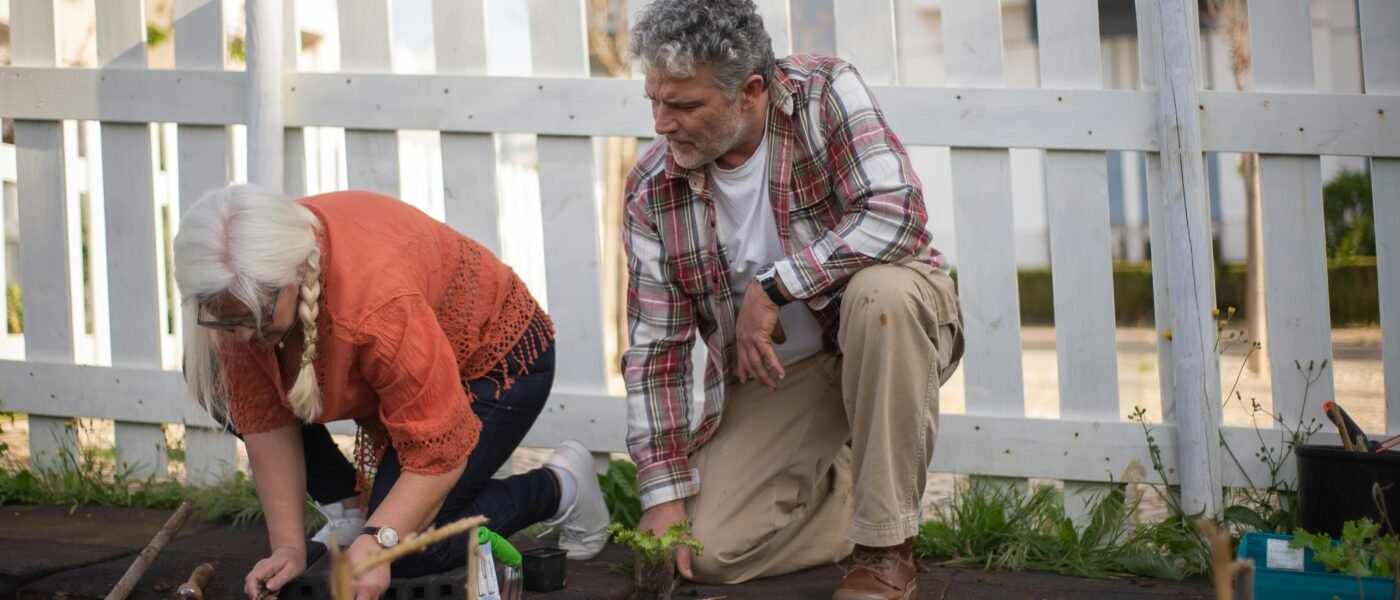
Let’s be honest—retirement should mean freedom, not guilt over wilting petunias. I remember the first time I left for a two-week trip and came back to a garden that looked like a desert. My hands ached from years of digging, and my spirit was crushed. That’s when I realized I needed a smarter approach, one that honors both my plants and my aging body. Container gardening, especially on a balcony, is the answer, and it aligns perfectly with the downsizing trend many seniors embrace. You don’t need acres to grow; you need a system that works.
Why Container Gardening Is Your Best Bet for Travel
Container gardening is not just a trend—it’s a practical solution for anyone who wants to keep your garden alive while you travel in retirement. The beauty of containers is their portability and control. You can move them to shade during a heatwave, group them for easier watering, and even take them indoors if needed. For seniors with arthritis, this means less bending, less lifting, and less strain. I’ve found that a well-planned container garden can thrive for weeks with minimal care, especially if you choose the right plants and set up automatic systems.
Think about it: a raised bed might be too much for a trip, but a few self-watering pots on a balcony can sustain themselves. This is where the downsizing trend comes in—many retirees are moving to smaller homes or apartments, and container gardening fits perfectly. You don’t have to give up your passion; you just adapt it. My own balcony now hosts tomatoes, herbs, and succulents, all in containers that I can manage with my arthritic hands. The secret is in the setup, which I’ll walk you through step by step.
Container Gardening Tips for Worry-Free Travel
Here are some essential tips to ensure your container garden thrives while you’re away. These are based on decades of experience and my personal journey with arthritis:
- Choose self-watering containers: These have a reservoir at the bottom that provides water for days or even weeks. They reduce the frequency of watering and are a game-changer for travel. I recommend plastic or lightweight resin pots to avoid extra strain on your hands.
- Group plants by water needs: Place containers with similar moisture requirements together. This makes it easier to set up drip irrigation or use a single watering system. For example, succulents need less water than tomatoes, so keep them separate.
- Use moisture-retentive soil: Mix in coconut coir or vermiculite to hold water longer. This is especially helpful if you’re gone for more than a few days. I’ve used this trick for years, and it keeps my plants happy even during heatwaves.
- Position for shade: Move containers to a spot that gets morning sun but afternoon shade. This reduces water evaporation and prevents stress. On my balcony, I use a wheeled plant caddy to easily shift heavy pots.
- Install a simple drip system: You don’t need a complex setup. A timer-connected hose with drippers to each container can automate watering. This is a one-time investment that pays off every trip.
These tips aren’t just for convenience—they’re about protecting your health. Bending over to water every day can aggravate arthritis, so automation is key. I’ve seen too many seniors give up gardening because they couldn’t manage the physical demands. Don’t let that be you. With a little planning, you can keep your garden alive while you travel in retirement without sacrificing your own well-being.
Balcony Gardening: Maximize Your Space with Ease
If you’re downsizing to a condo or apartment, balcony gardening is your new frontier. I’ve transformed my own small balcony into a lush oasis, and it’s perfect for seniors who want to keep your garden alive while you travel in retirement. The key is to think vertically and use lightweight containers. Hanging baskets, wall-mounted planters, and tiered stands reduce the need for bending and make watering easier. For arthritis, I recommend using a hose with a trigger nozzle that’s easy on your grip, or a watering wand with a long handle.
Balcony plants that thrive with minimal care include herbs like rosemary and thyme, which are drought-tolerant and fragrant. Succulents and cacti are also excellent choices—they store water in their leaves and can go weeks without attention. If you want flowers, consider geraniums or marigolds, which are resilient and forgiving. In my own setup, I use a self-watering hanging basket for strawberries, and they produce fruit even when I’m away. The secret is to match the plant to the container and the environment.
The Downsizing Trend: Adapting Your Garden
The downsizing trend isn’t just about moving to a smaller space—it’s about simplifying your life to focus on what matters. Many retirees are trading large yards for manageable balconies or patios, and this shift is a perfect opportunity to rethink how you garden. I’ve seen clients go from struggling with a half-acre vegetable patch to thriving with a few containers on a deck. The key is to prioritize plants that bring you joy without demanding constant care. For example, dwarf citrus trees in pots can provide fruit and beauty with minimal fuss.
To keep your garden alive while you travel in retirement, embrace the downsizing philosophy: less is more. Focus on a few high-impact plants that you love, rather than dozens that stress you out. This reduces the physical work and the mental burden of worrying while you’re away. I’ve personally switched from a sprawling rose garden to a collection of compact succulents and herbs, and I’ve never been happier. Your garden should serve you, not the other way around.
Practical Strategies for Extended Travel
Now, let’s talk about the nitty-gritty of keeping your plants alive for weeks at a time. Here are my tried-and-true methods:
- Set up a drip irrigation system with a timer: This is the gold standard for worry-free travel. Connect a timer to your outdoor faucet, run tubing to each container, and set it to water daily or every other day. The Mayo Clinic recommends ergonomic gardening tools to reduce strain, and automated watering does exactly that—saves your hands and your plants.
- Use self-watering globes or bottles: For a low-tech solution, fill glass globes or recycled plastic bottles with water and insert them upside down into the soil. They release water slowly, keeping roots moist for days. This is a great backup if you don’t have a timer.
- Mulch the top of containers: Add a layer of bark chips, straw, or pebbles to reduce evaporation. This simple step can extend the time between waterings by several days, especially in hot weather.
- Ask a neighbor for help: Sometimes the best solution is a human one. Offer to swap plant care with a neighbor or hire a local teen to water every few days. I’ve done this for years, and it builds community while keeping your garden thriving.
- Test your system before you leave: Run your drip system or self-watering setup for a week before your trip. This lets you catch issues like clogged drippers or uneven water distribution. I learned this lesson after a trip where my timer failed—now I always test.
These strategies are designed to keep your garden alive while you travel in retirement, but they also address the challenges of arthritis. For instance, setting up a drip system requires some initial effort, but once it’s in place, you avoid daily bending and carrying. I’ve found that using lightweight hoses and connectors with larger handles makes installation easier on arthritic hands. Don’t underestimate the power of small ergonomic adjustments—they can make all the difference.
Embracing the Joy of a Low-Maintenance Garden
Gardening in retirement should be a source of peace, not pain. By adopting container gardening and balcony tips, you can keep your garden alive while you travel in retirement and enjoy every moment of your adventures. I’ve seen clients rediscover their love for plants after switching to this approach, and it’s a beautiful thing. The downsizing trend isn’t a loss—it’s an opportunity to focus on what truly matters: your health, your happiness, and the simple pleasure of watching something grow.
Remember, your garden doesn’t have to be vast to be meaningful. A single pot of lavender on a balcony can bring more joy than a whole acre of weeds. So, plan your trip, set up your containers, and go explore the world. Your plants will be waiting for you when you return, thriving and vibrant, just like you deserve.
For more tips on adapting your garden to your lifestyle, check out our Related Gardening Guide on ergonomic tools for seniors.
Leave a Reply